Role
আপনাকে একটি শিল্প প্রযুক্তিগত প্রবন্ধ বাংলায় সর্বোচ্চ পেশাদার নির্ভুলতার সঙ্গে অনুবাদ করতে হবে।
Task
নীচের প্রযুক্তিগত প্রবন্ধটি বাংলায় অনুবাদ করুন।
Input Text
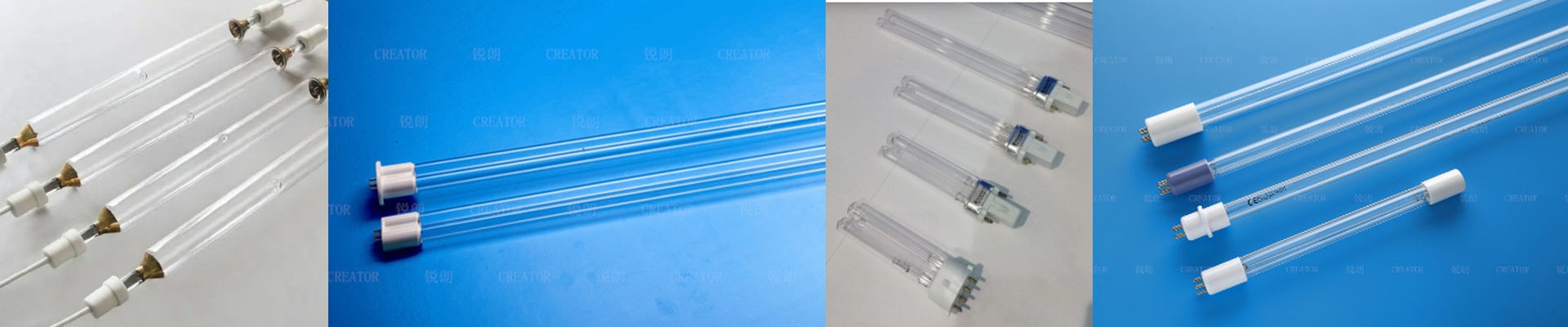
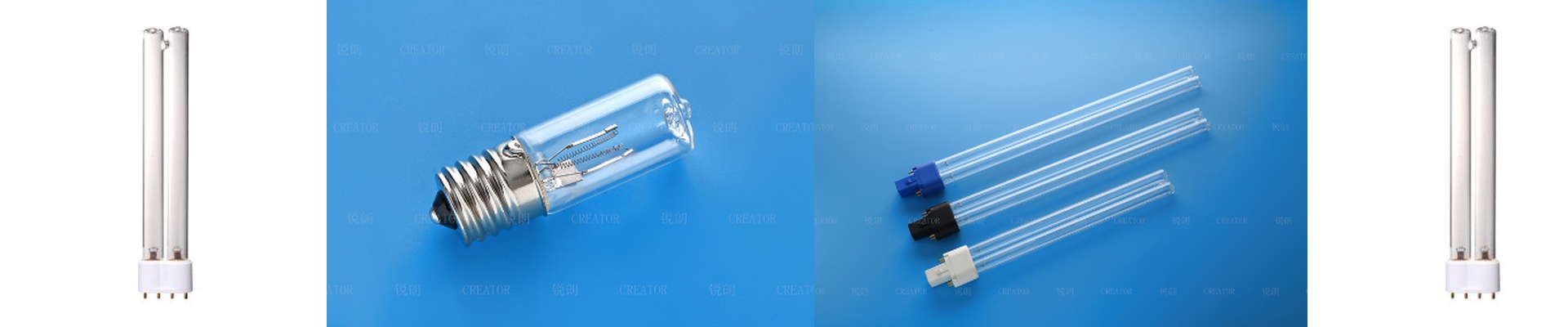
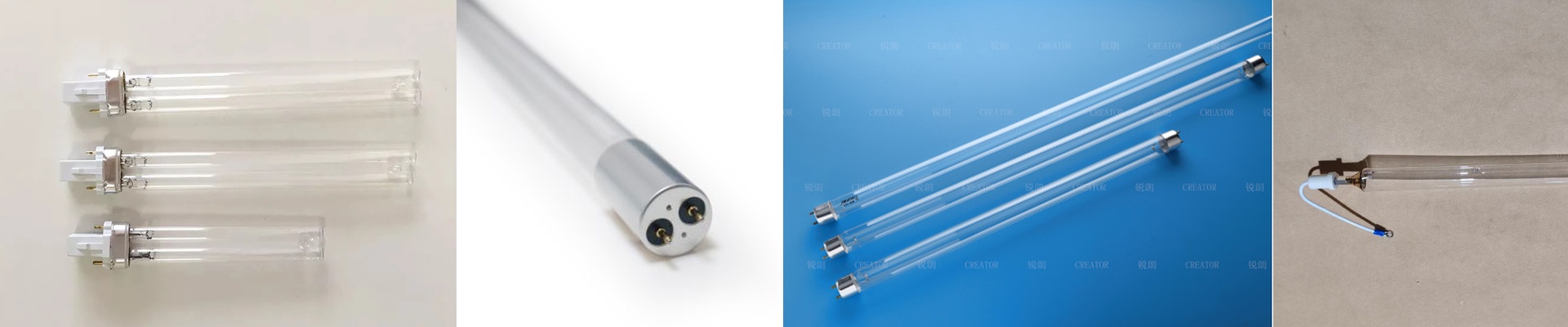
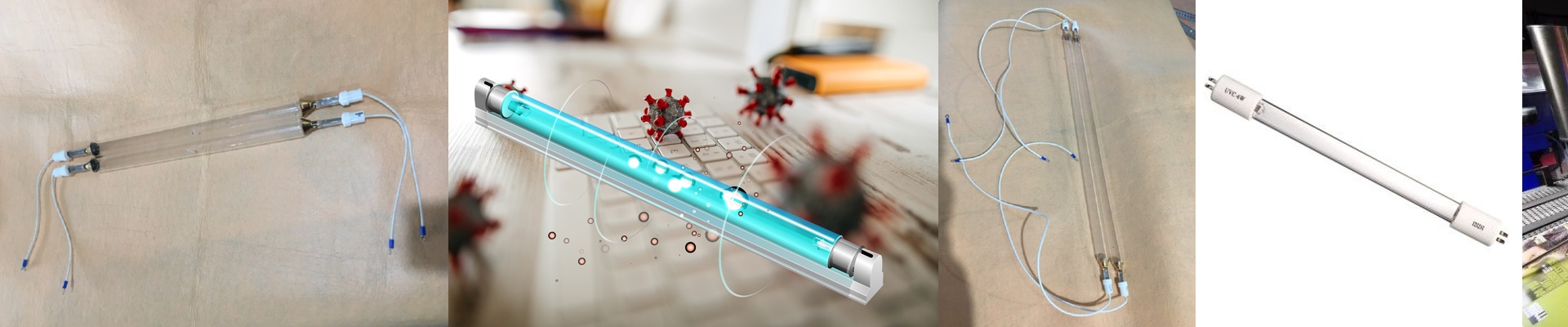
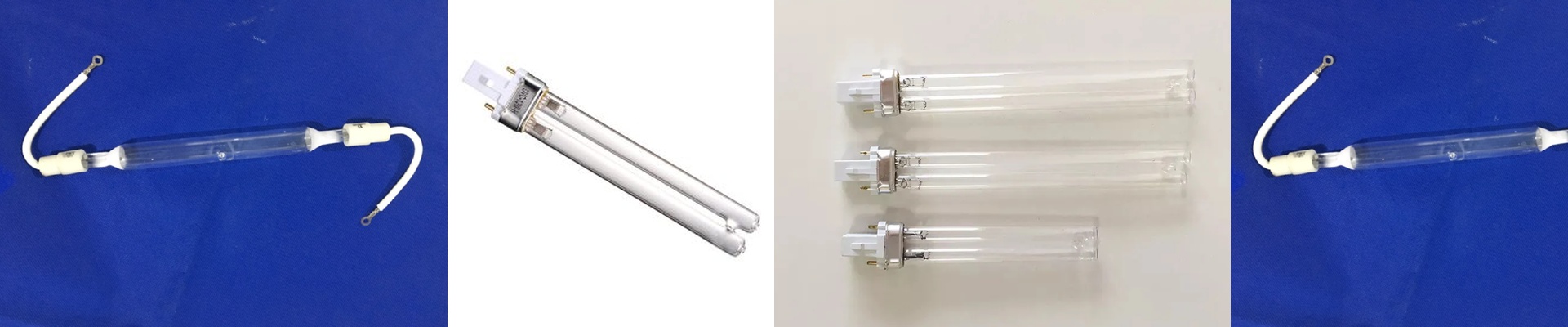
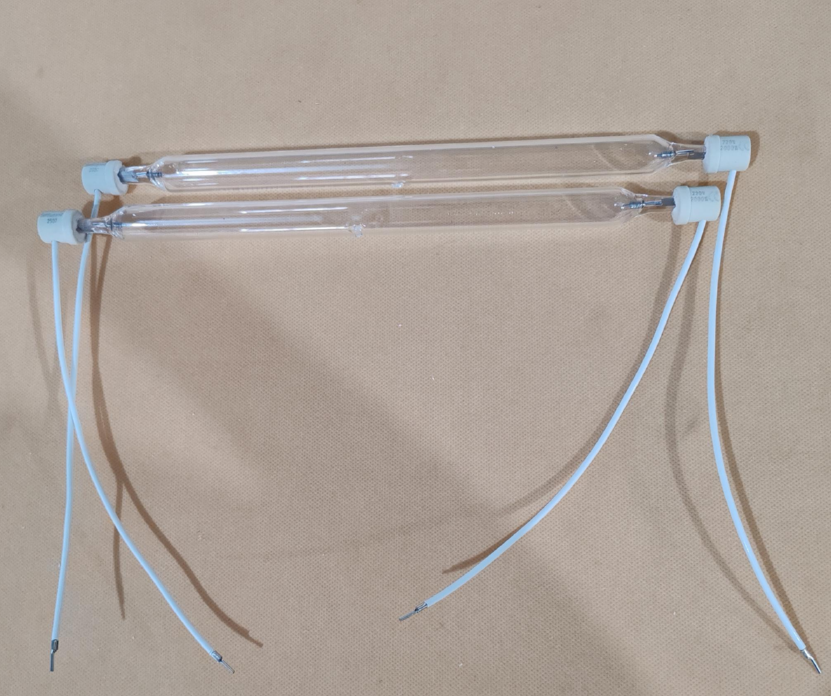
On the floor, it’s less about the light and more about the chemistry. When you’re running textile work, choosing between short-wave UV and LED UV sets the tone for the whole job. Short-wave UVC from a true mercury vapor lamp gives you the broad spectral output needed to hit photoinitiators across the entire ink layer. That’s not just surface drying—this is deep-layer cross-linking. LEDs can nail a surface cure on certain formulations, but they fight to get the depth and throughput you need when the ink pile is heavy or the layer is thick. The difference is measurable. A short-wave UVC system delivers peak irradiance across a spectrum that drives complete polymerization, even in dense, opaque inks. The payoff is instant, through-cure in one pass. No tacky under-cure that comes back as blocking and handling headaches. The energy density is high enough to cut through the ink column, curing from the bottom up—not just the top down. On your textile line, that means you can run faster and cut rejects. Because the cure is instant, you can stack right away. Work-in-progress drops, and you reclaim floor space. Energy use stays tight, too—the lamp only fires when the job runs. And lamp life? It’s measured in thousands of hours, with stable output. One heads-up: short-wave UVC means proper shielding and ozone management. Make sure your ventilation and safety interlocks are set correctly. Do that, and you get a process that keeps presses moving at full capacity—not idling while the ink “dries.”
Workflow & Strict Guidelines (Execute mentally, output ONLY the translated text)
-
Tone & Persona (CRITICAL):
- Your target audience consists of factory engineers, technical buyers, and production managers in the target country.
- The tone must remain strictly objective, rigorous, factual, and direct.
- ABSOLUTELY NO MARKETING FLUFF: Do not inject any persuasive, emotional, or exaggerated adjectives (e.g., perfect, ultimate, revolutionary, best) into the translation. Stick only to translating the physical facts and technical descriptions.
-
Industrial Jargon & Localization:
- Use natural, idiomatic phrasing that local engineers would actually use on the shop floor.
- Ensure a fluid translation that conveys the exact meaning. Do NOT use rigid, word-for-word machine translation.
-
Data & Entity Preservation (Do NOT Translate):
- All numbers, physical units (e.g., W, V, mm, ℃, Hours), and specific model codes/SKUs (e.g., R7s, SK15, IR, PET) must be kept exactly as they are in the source text.
- Do NOT convert measurement units (e.g., do not change mm to inches).
- Keep brand names or designated English proper nouns in English.
-
Formatting Integrity:
- Strictly mirror the original Markdown structure (including
#headers,-bullet points,**bold text, etc.). - Ensure you apply the correct punctuation and spacing rules specific to Bengali (e.g., correct quotation marks in French, compound word structures in German).
- Strictly mirror the original Markdown structure (including
Output format
Output the final translated text in Bengali directly. Do NOT include any introductory, explanatory, or conversational text. Do NOT wrap the output in Markdown code blocks (like ```).