Making Mercury UV Bulbs Actually Work for You
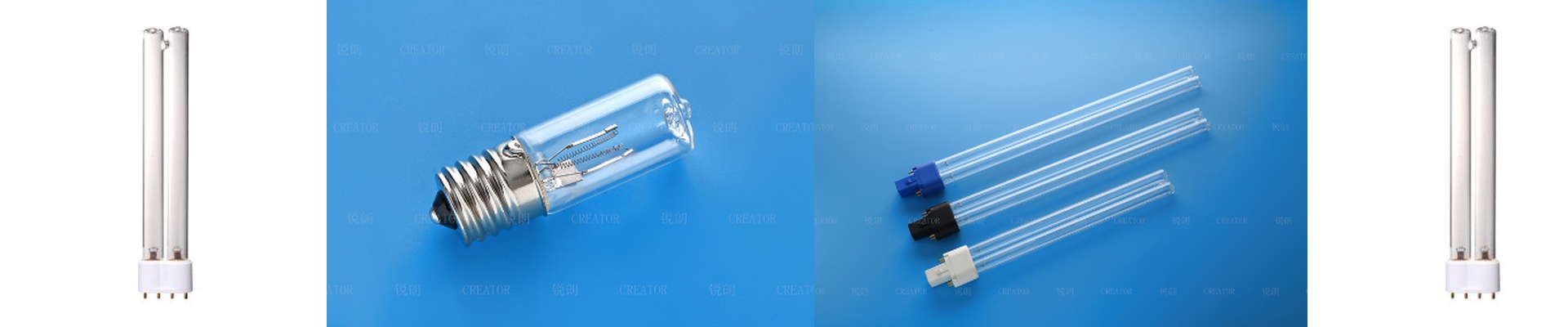
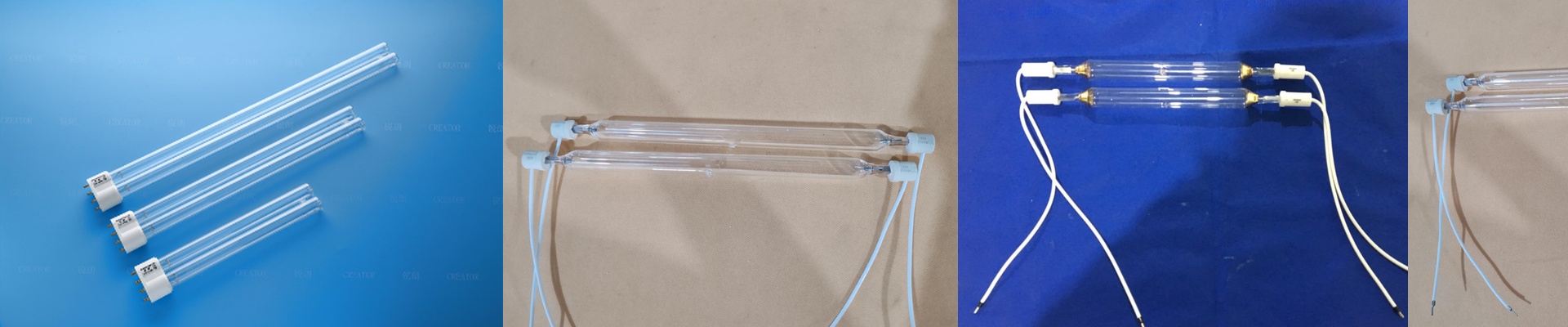
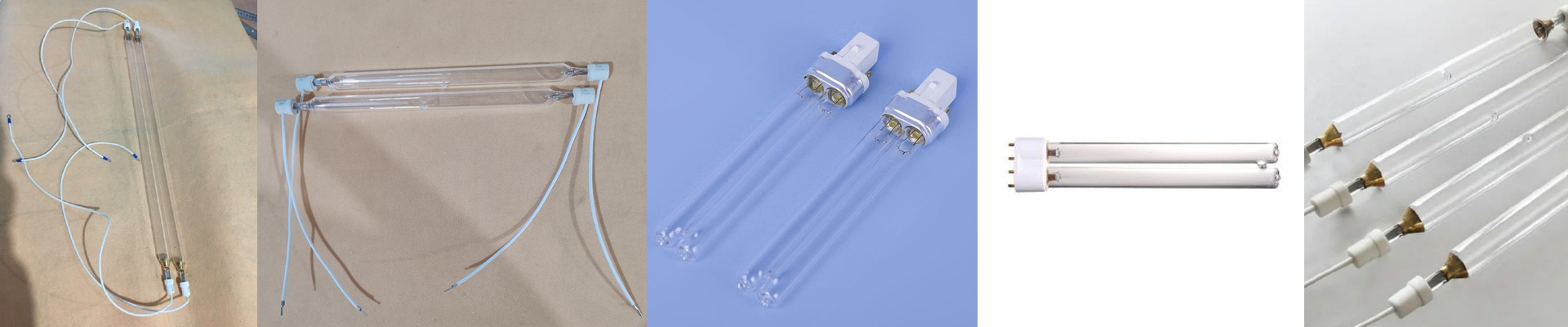
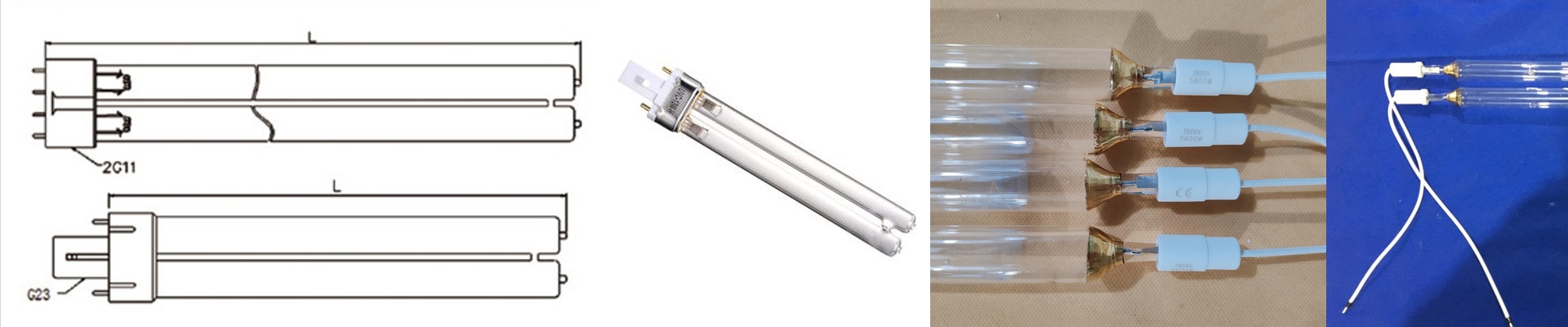
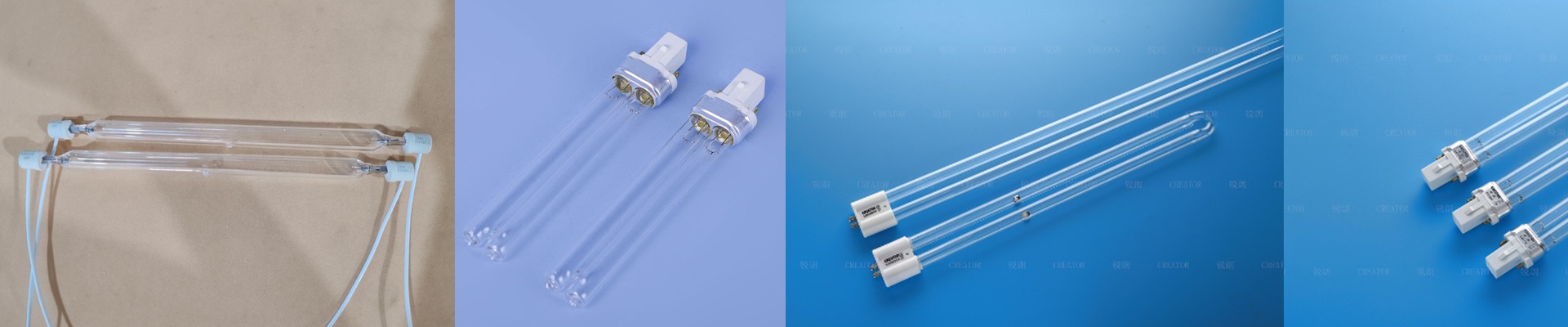
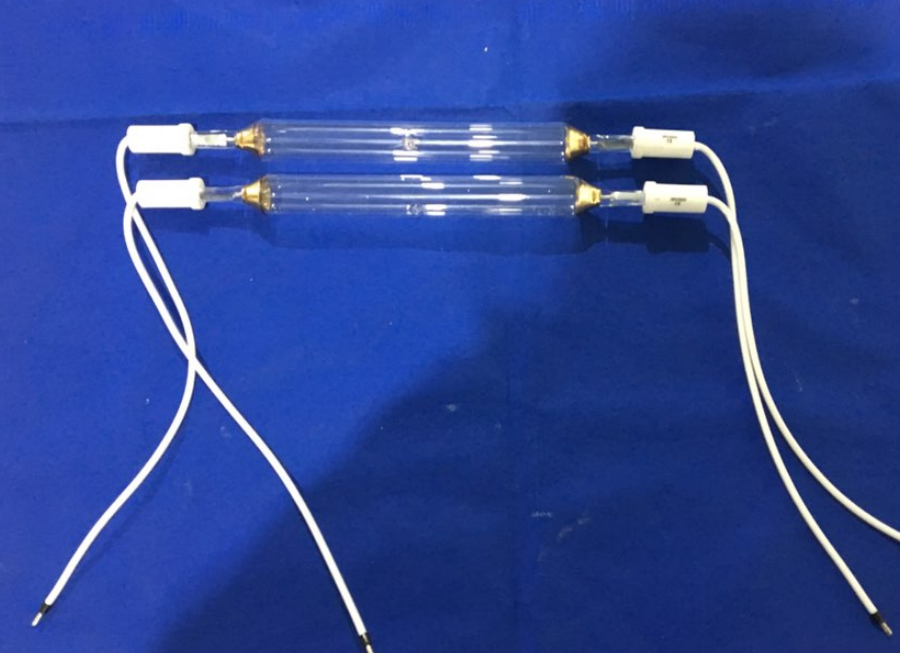
Let’s be honest: standard mercury UV curing bulbs are the unsung heroes of the industrial drying world. They do the heavy lifting, turning electricity into that short-wave UV light that makes your resins and inks snap into place. But as we all try to get cleaner and more sustainable, we’ve had to rethink how we handle the mercury and how to make these lamps actually last. The nitty-gritty of UV output Here is how it works. To keep a stable plasma arc, you need a very specific mix of gas and a solid electrode setup. We tune these bulbs for a certain wattage and voltage so the light hits the exact nanometer range your photoinitiators need to react. If you need your line moving fast, you go with high-wattage tubes to get that punch of irradiance. But a word of caution: make sure your ballast matches the lamp’s rated voltage. If they’re out of sync, you’ll burn through your electrodes way too fast. Building things to last We use high-purity fused quartz for the glass. Why? Because it lets the UV rays fly through without getting trapped or absorbed. We’ve also spent a lot of time obsessing over electrode chemistry. You know that “sputtering” effect where the electrode material starts coating the inside of the glass? It’s a pain. We’ve worked to cut that down, which means your bulbs stay clear and useful for much longer. Plus, we’ve stripped out the nasty additives in the glass and housing. We also made sure these are simple drop-in replacements. No fuss, no complicated installs, and way less waste when it’s time to swap them out. Real talk: Life on the shop floor Better lamp life is great because it means less downtime. But there’s a catch. As a mercury bulb gets older, the light it puts out shifts. The lamp might still be glowing and “working,” but your curing speed could be dipping without you noticing. Don’t just trust the hour-meter on the machine. Keep a close eye on the actual cure rate of your product. And if you’re tempted to crank up the wattage to squeeze out more speed, just remember: your cooling system has to be able to handle that extra heat. If it can’t, you’re looking at warped quartz, and that’s a headache nobody wants.