Keeping Your Team Safe Around UV Lamps in the Print Shop
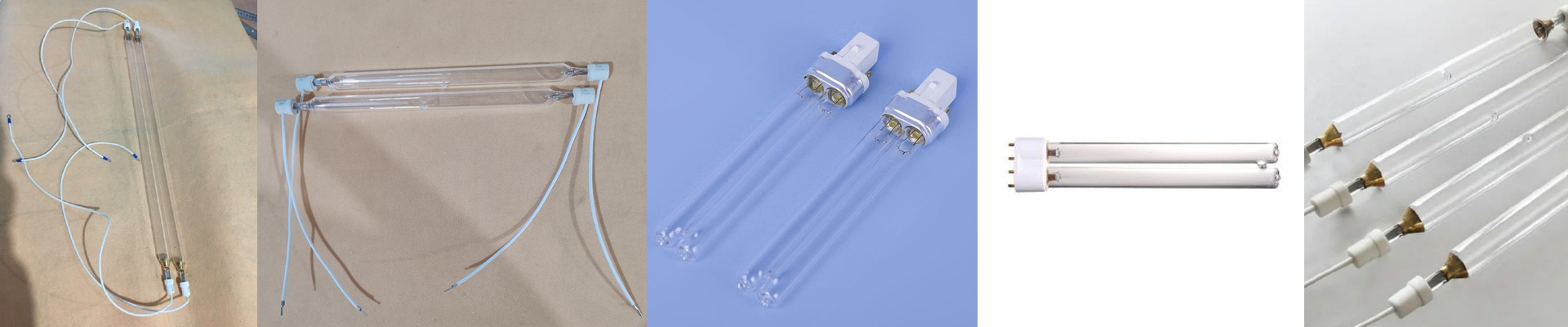
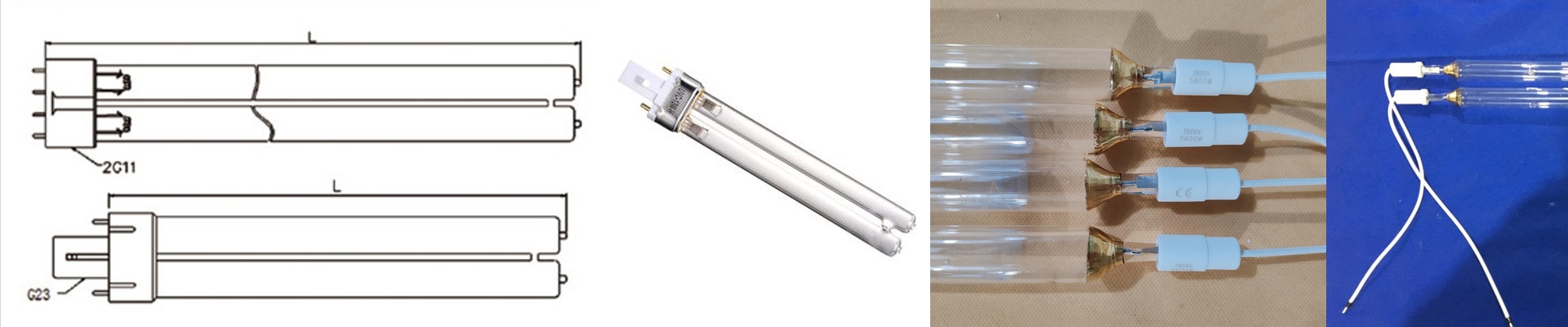
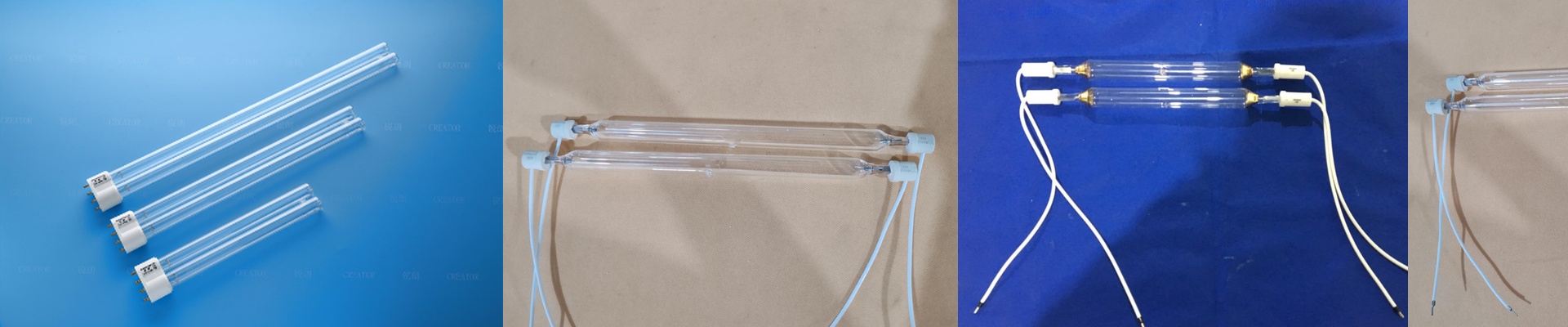
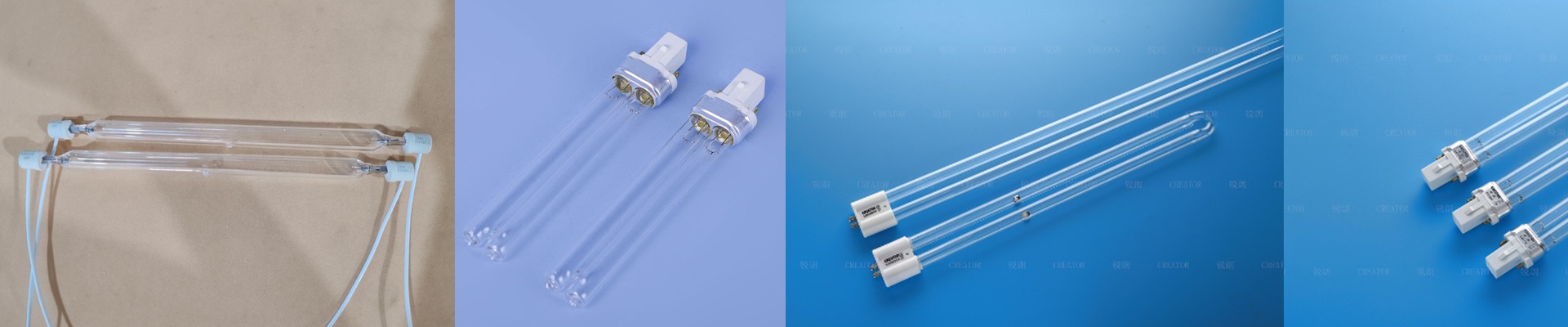
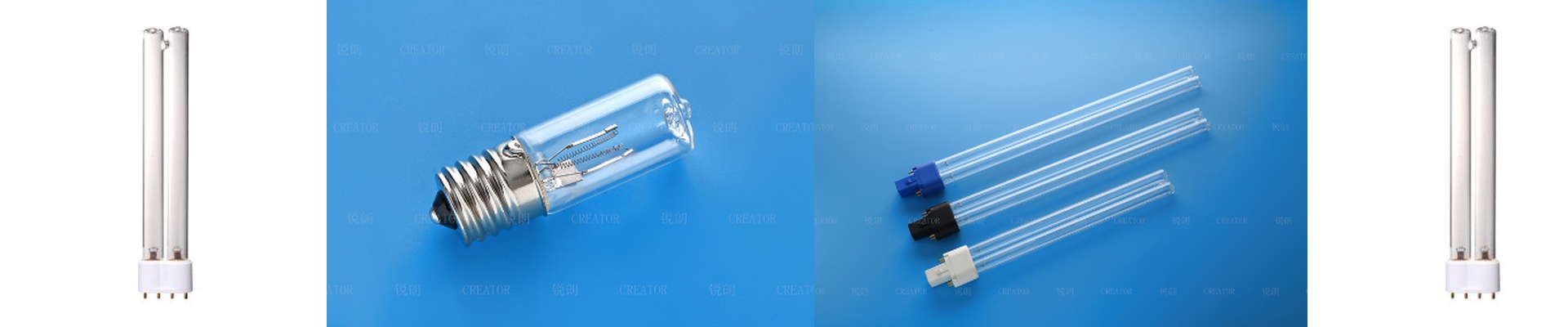
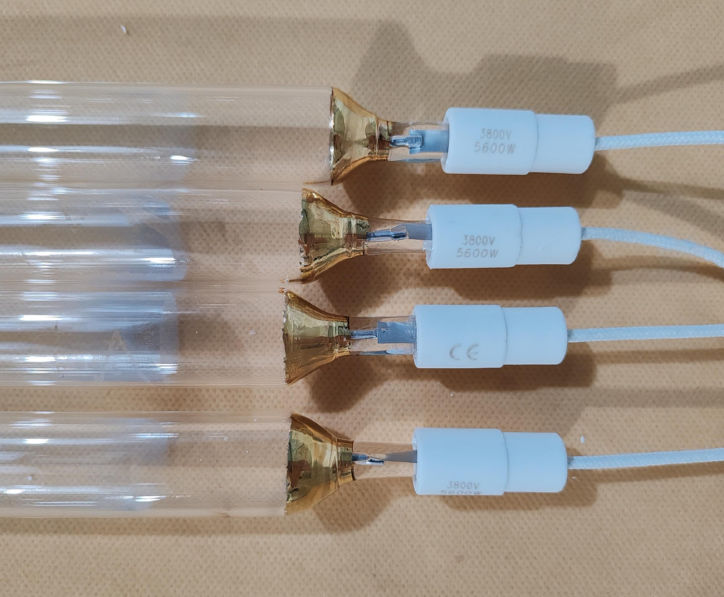
UV germicidal lamps are powerful tools. They use shortwave UV-C radiation (usually around 253.7 nm) to do more than just dry your ink—they actually break molecular bonds to lock those coatings in place. It’s a great process, but if your hardware isn’t set up right, it can get dangerous fast. Watch out for leaks. UV-C radiation is no joke. It can burn your skin and wreck your eyes in a heartbeat. That’s why we build our housings to be airtight. But here is the thing: you’ve got to keep an eye on your shielding gaskets. They wear down over time. Even a tiny 1mm gap is enough to let rays slip through and cause permanent damage to an operator’s retina. To keep everyone safe, stick with aluminum or stainless steel enclosures. Make sure they’re at least 2mm thick to block every single stray ray. Heat and Power Most of these lamps run on high-voltage electronic ballasts. If the ballast output doesn’t match what the lamp needs, you’ll burn out the electrodes way too early. Then there’s the heat. High-wattage tubes get hot. Really hot. If your cooling fans quit or the airflow gets blocked, the quartz envelope will overheat. When that happens, your UV output drops—basically, the lamp stops working effectively. You need a cooling system that can actually handle the wattage of your lamp array. Keep those temperatures in the sweet spot, or you’re just wasting energy. Dealing with Ozone Some of these lamps create ozone ($\text{O}_3$) by messing with the oxygen in the air. Some shops actually like “ozone-generating” lamps because they help cure thick layers of ink. The problem? Ozone is toxic. If you’re running these in a closed shop, you absolutely need an active exhaust system. If you don’t vent it properly, the gas buildup will eat away at your electrical contacts and make your team cough. Depending on how your ventilation is set up, we can give you lamps that produce ozone or ones that don’t. It just depends on what your space can handle.