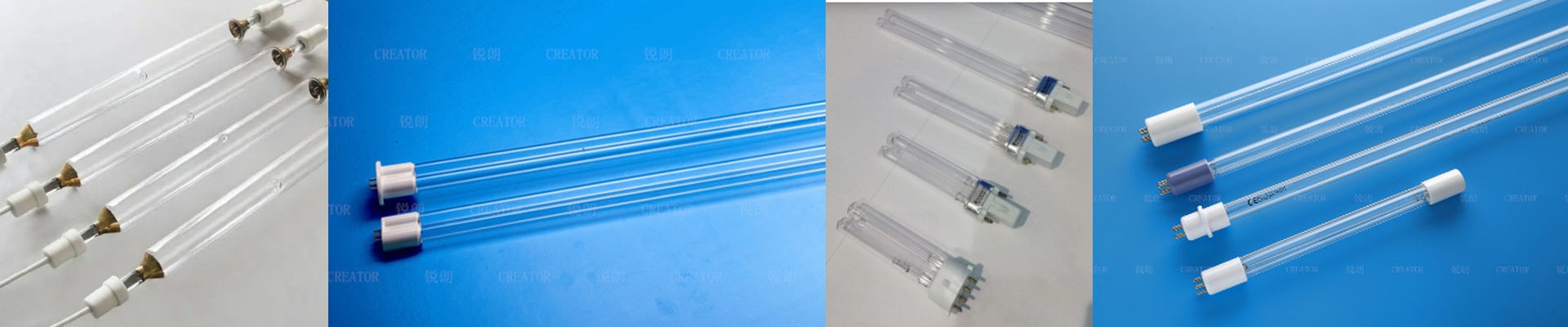
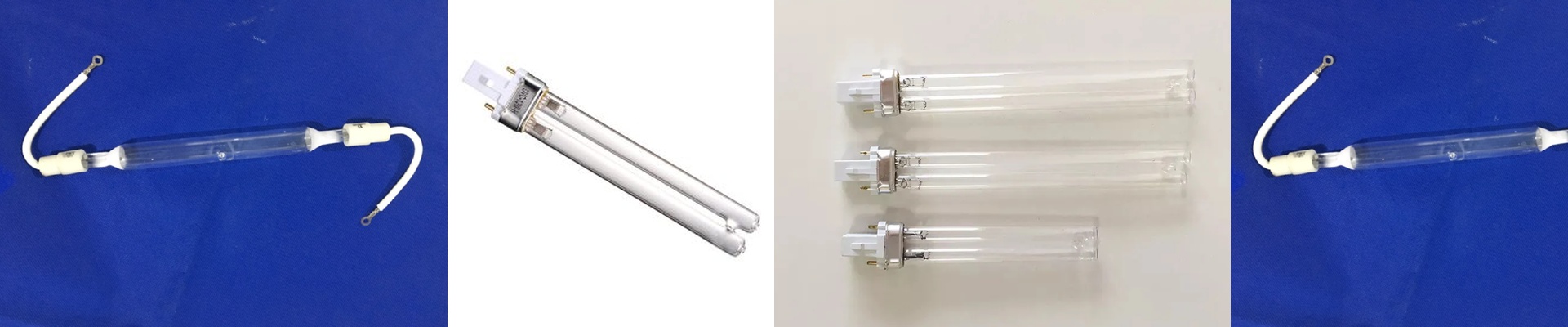
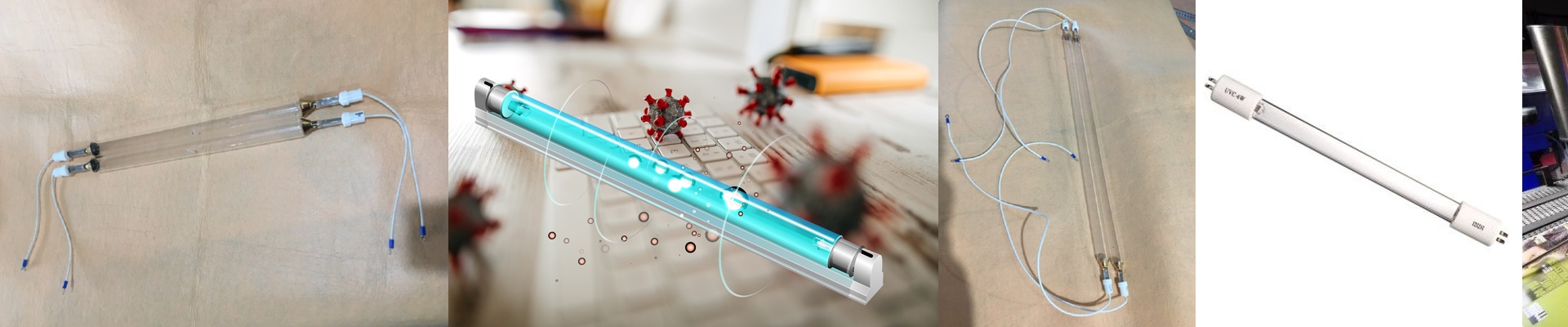
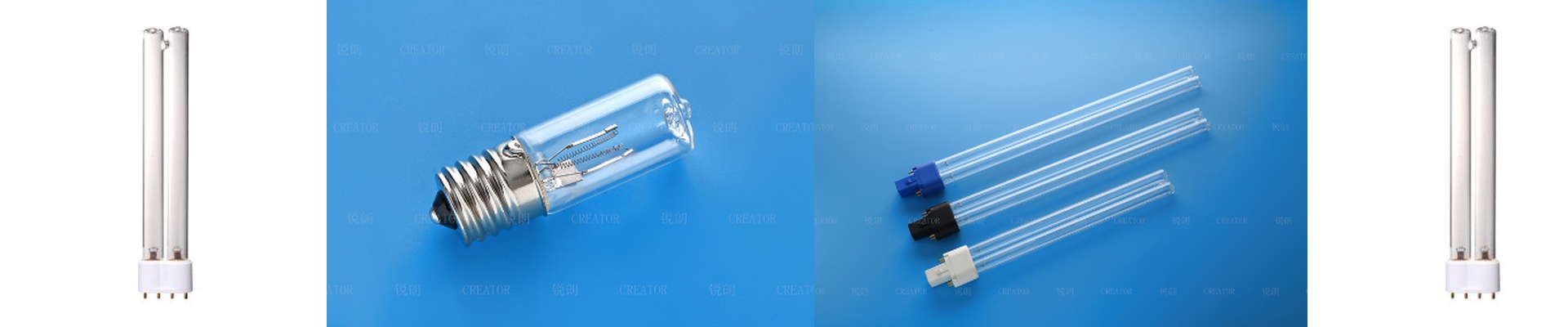
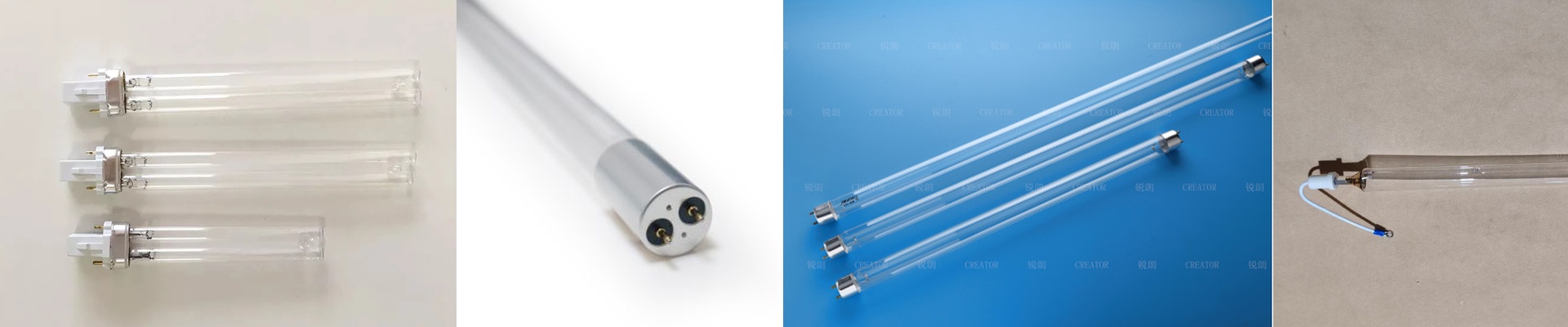
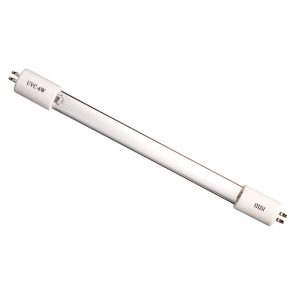
On the garment line, flash-drying inks usually comes with a side of VOCs—smell, irritation, and post-cure headaches. The real culprit is incomplete activation of the photoinitiator. Standard mercury lamps throw a broad spectrum, but they don’t hit the absorption peaks that drive full cross-linking. What actually matters under the hood Gallium iodide UV systems reshape the spectral output so the dominant peak sits at 405 nm, with tight bandwidth control and very little energy below 300 nm. That lines up with the photoinitiators in low-migration, odor-sensitive ink formulations. Peak irradiance at the substrate hits 1.8 W/cm², and energy density holds steady at 800–1200 mJ/cm² across typical print speeds. The reflectors use dichroic coatings to knock down IR and keep heat off thin fabrics. Ozone-free operation comes from a quartz envelope that blocks the 185 nm line. Lamp life stays at 5,000+ hours, with under 5% output decay—as long as you run within rated current and keep the lamp airflow clean and filtered. Why this works in the real world When you’re flash curing T-shirts and sportswear, the 405 nm profile drives monomers and oligomers to full conversion, so fewer unreacted species are left to off-gas. You get immediate odor reduction, better wash fastness, and consistent cure depth even at 80–120 m/min. Power draw drops because the lamp fires to the dose needed, without overdriving, and cycle time shortens without sacrificing adhesion. With pigmented inks, the narrower spectrum reduces surface skinning while curing the bulk, so you avoid tack and blocking. What you need to watch for Gallium iodide lamps need stable arc power and disciplined thermal management. Integrators have to match the lamp to a dedicated power supply with constant current control, and confirm reflector geometry so you don’t get dose non-uniformity across the print width. Check your substrate temperature limits—IR is reduced, but dwell and lamp distance still need tuning for thin, heat-sensitive textiles. Before you integrate, confirm compatibility with your press: print width, lamp housing footprint, and connector interface.