

The Real Deal on 80W/cm Mercury UV Lamps
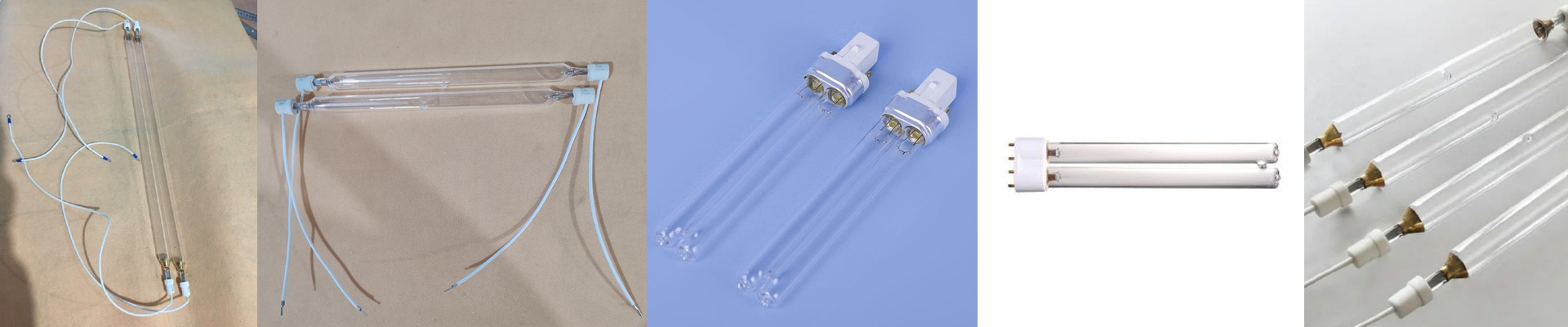
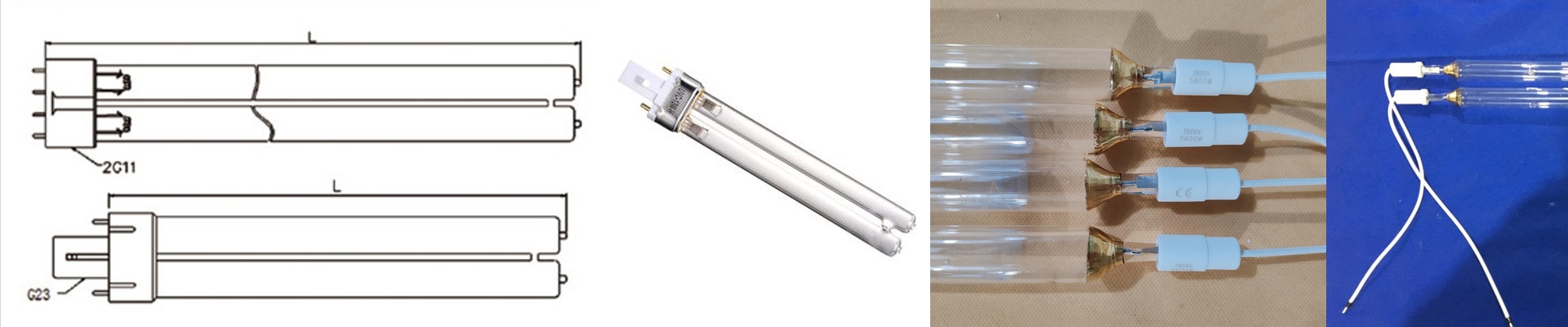
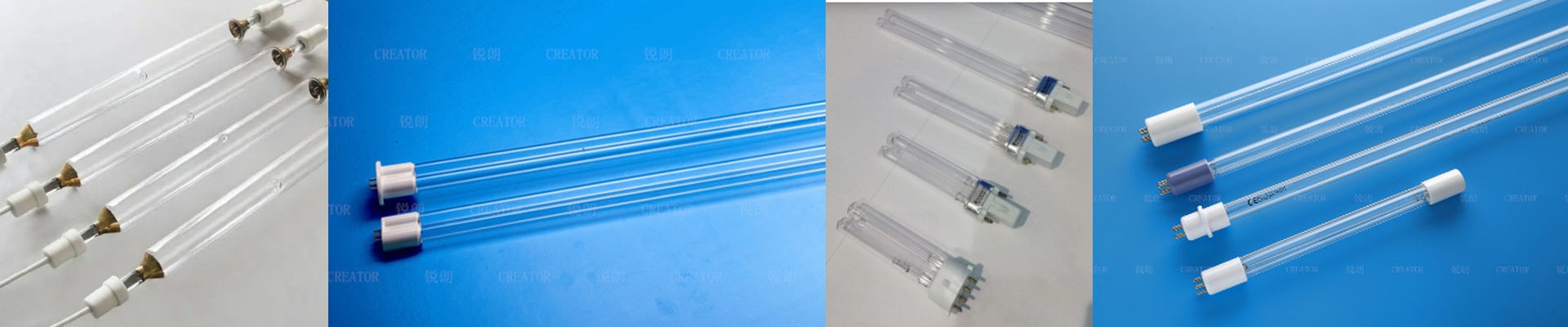
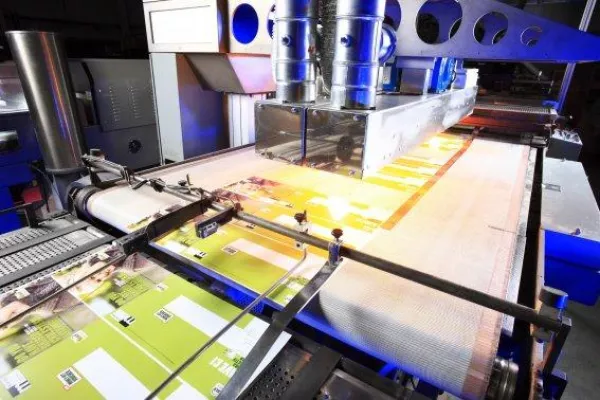
Let’s talk about the 80W/cm mercury UV lamp. On paper, it’s just a high-intensity tool for curing and sterilization. But in the real world? It’s a beast. When you’re pushing that much power into a concentrated stream of shortwave UV, you’re dealing with some pretty intense physics. We build these to survive the grind of nonstop operation, but it’s not easy.
Dealing with the Heat
That 80W/cm rating isn’t just a spec for the brochure. It’s a measurement of the raw energy hitting your material. Here’s the thing: when you run a lamp this hot, the quartz envelope takes a serious beating. Heat piles up fast. If your cooling system isn’t up to the task, you’re looking at a shorter lamp life or, worse, the quartz cracking right in the middle of a shift. To stop that from happening, we use high-purity fused quartz. It keeps the glass from clouding over or giving way under the crushing pressure of the mercury vapor inside.
Why the CE Mark Actually Matters
A lot of people see the CE logo and think it’s just a paperwork headache. It’s not. When you’re wiring these lamps into a high-voltage ballast, things can get messy. You’ve got to worry about electrical noise and leakage. A CE-certified lamp means the potting, the electrodes, and the housing are actually built to handle the load. It keeps you from tripping your plant’s breakers or, more importantly, prevents someone from getting a nasty shock. Plus, if you’re selling into Europe, you basically can’t get through the door without it. It’s your ticket into the global market.
The Trade-offs
You don’t get this kind of output for free. These lamps need a bit of patience. You have to give them a proper warm-up period so the mercury vapor pressure can stabilize. If you keep flipping them on and off, you’ll fry the electrodes way sooner than you should. And you’ll want a rock-solid power supply. If the power fluctuates, the arc drifts, and you lose that precision you paid for.