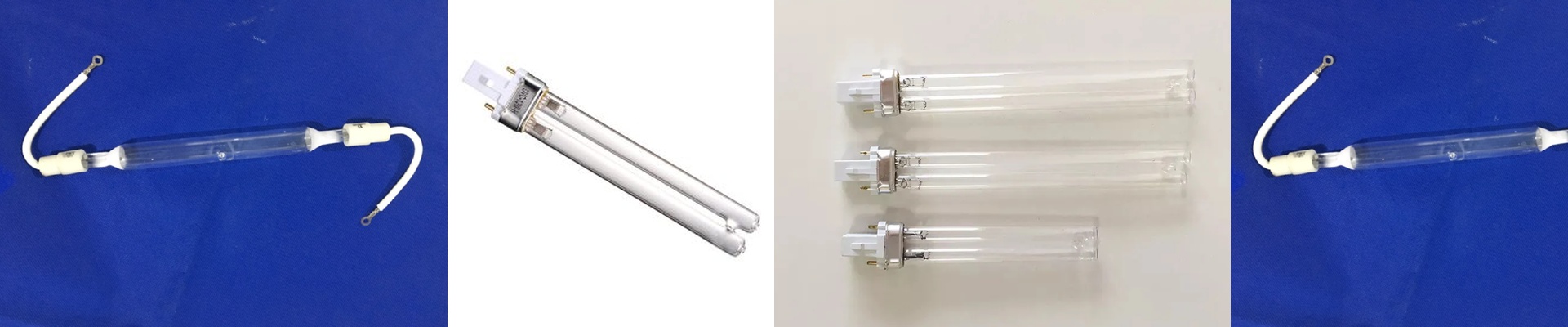
The guts of an industrial UV lamp: Built for the line, not the showroom
We build these UV lamps for one reason and one reason only: to survive the grind of a production line that never sleeps. When your line is running, every minute of downtime costs you. So we design every part to OEM specs because, honestly, you can’t afford anything less. When you plug in one of our lamps, you’re not just buying a bulb. You’re buying peace of mind.
The numbers that actually matter on the floor
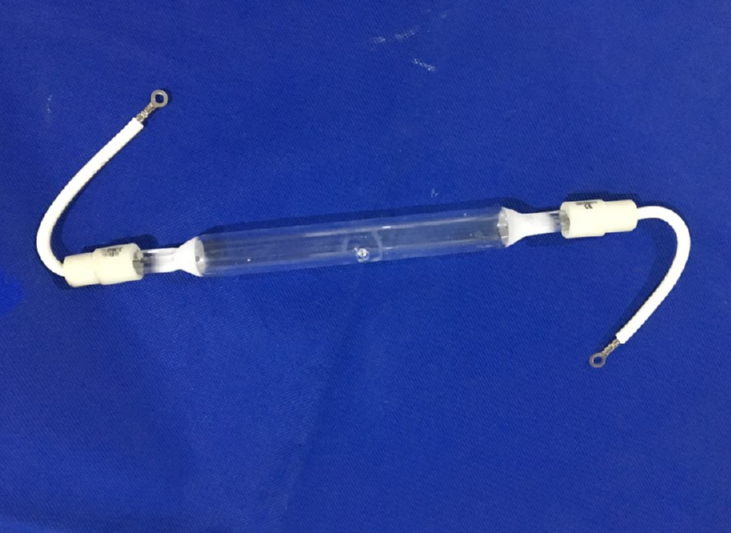
Let’s talk specs, but the kind that matter when you’re under pressure. The 400V high-voltage input is standard across a lot of machines worldwide. That means it drops right in without you having to rewire your electrical panel. Just hook it up and go. The 2500W power rating gives you the heat density needed to instantly cure coatings and trigger polymer cross-linking. It’s the muscle that makes the work happen fast. And the 300mm length? It’s a precise footprint made for tight chambers. So you get serious output without having to redesign the machine.
What’s inside, and why it stays tough
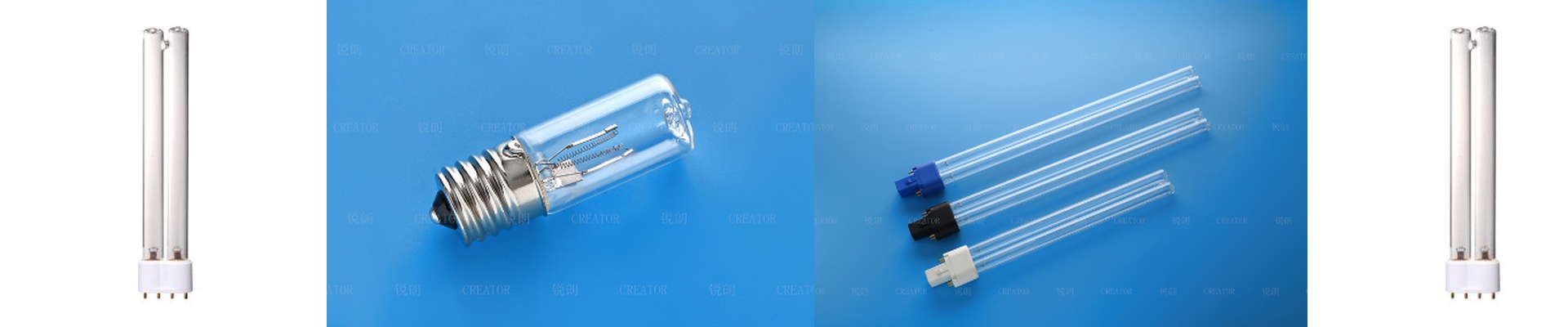
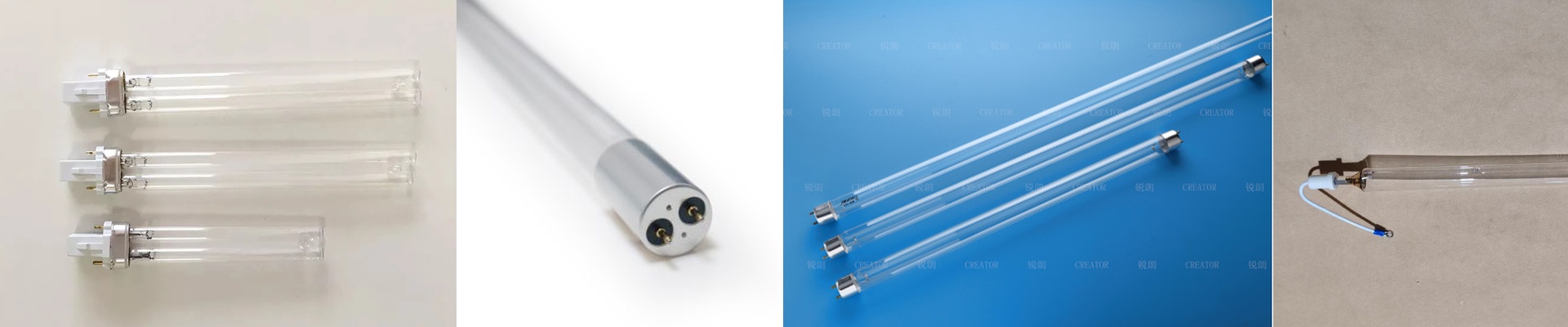
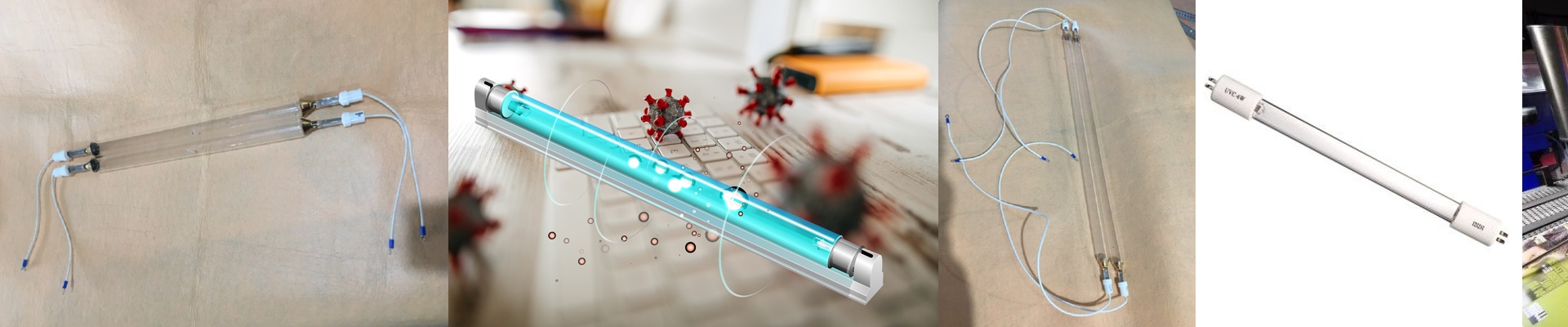
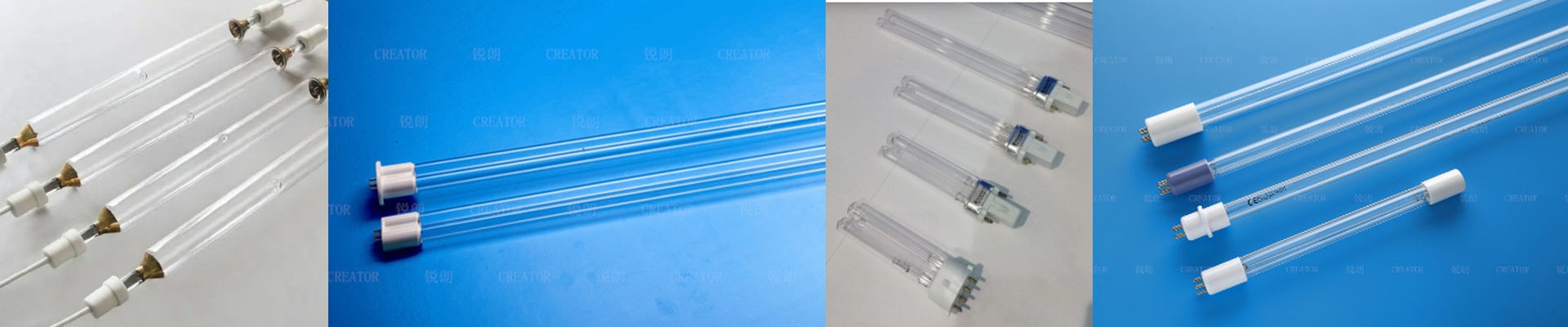
The materials aren’t chosen by accident. They’re chosen because physics doesn’t negotiate. We use high-purity quartz glass to hold the arc and deliver the UV cleanly. Inside, the halogen cycle keeps the tungsten filament stable, so it resists blackening and holds steady output over time. A specialized coating on the quartz shapes the spectrum, focusing on the UV band you need while keeping the unwanted infrared in check—because too much heat can warp the very material you’re curing. And the connector? Here’s the thing: the R7s bi-pin isn’t some delicate consumer fitting. It’s industrial hardware, built for a quick lock and a rough life on the shop floor. It handles high current and the constant heating and cooling without loosening. When you need a replacement, you can swap it fast and get back to work.
Where these lamps shine—and what to watch for
These lamps are made for real work: industrial UV curing, printing, and surface treatment. The high power density means faster cure speeds, which keeps your throughput moving. And the compact 300mm size slips right into existing bays, so it’s as close to plug-and-play as it gets. But there’s a trade-off you should know. At 2500W, you’re making a lot of heat. That means your machine’s cooling system has to be up to the job. When the cooling is properly matched to the lamp, you get stable output, predictable runs, and far fewer surprise stops. That’s the real win: OEM-grade reliability, without paying a premium.