The Heart of the Matter: Curing, Instantly
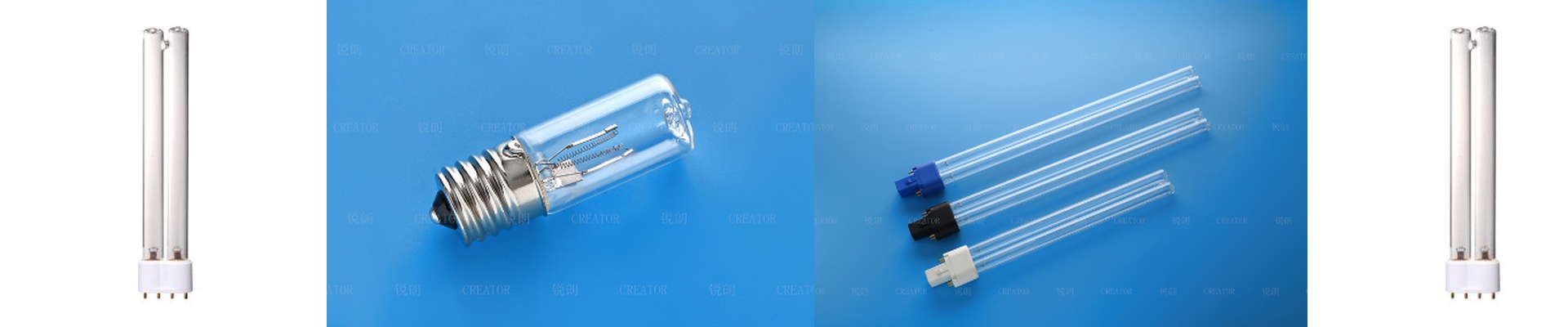
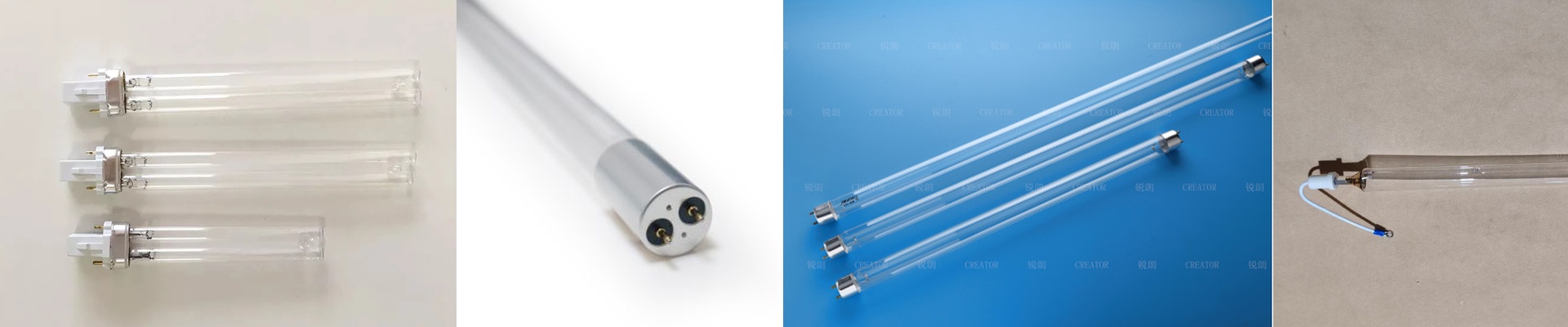
Here’s the real reason we build cold cathode UVC lamps: they get the job done in the blink of an eye. No filament. No waiting around. We use a high-voltage discharge to blast out intense shortwave ultraviolet energy. That energy hits the photoinitiators in your UV inks and coatings, and boom—the polymers cross-link immediately. You get a fully cured surface in seconds, not minutes. It’s fast. Really fast. And that changes everything for your workflow.
Power and Size: It’s All About the Physics
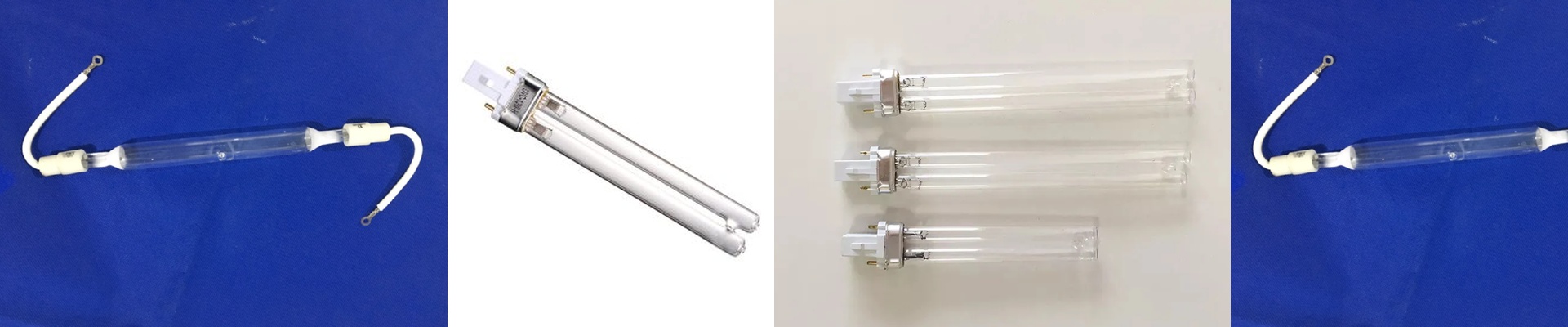
The physics of the lamp dictate what it can do. A cold cathode system needs high voltage—around 400V—to ionize the gas inside the tube. That’s why our lamps run on high-voltage ballasts, not standard wall power. The power rating, like 2500W, directly translates to UVC output intensity. You need that power density to punch through the ink layer and cure all the way through. And the tube length, say 300mm, isn’t random. It’s a calculated footprint designed to give your substrate the right amount of time under the lamp, so the energy dose is consistent across the whole width.
The Right Stuff: Why the Details Matter
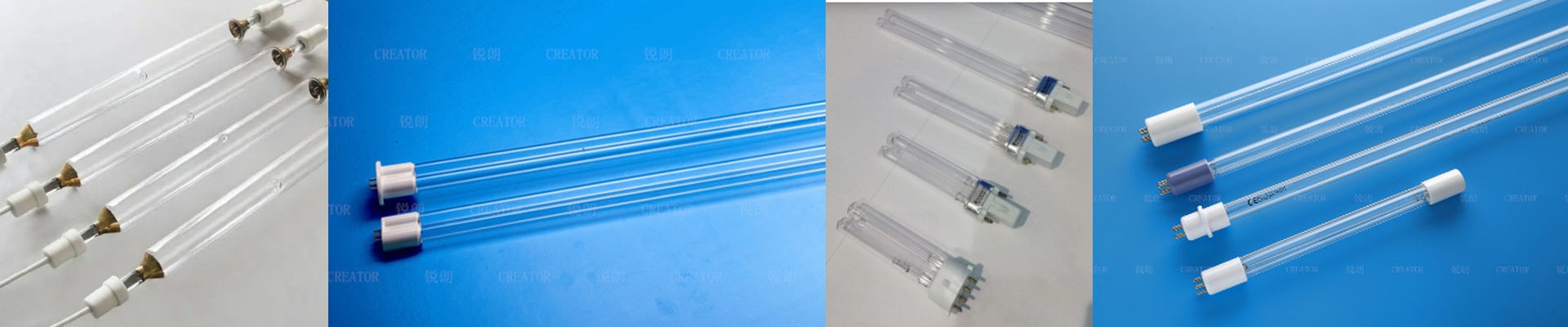
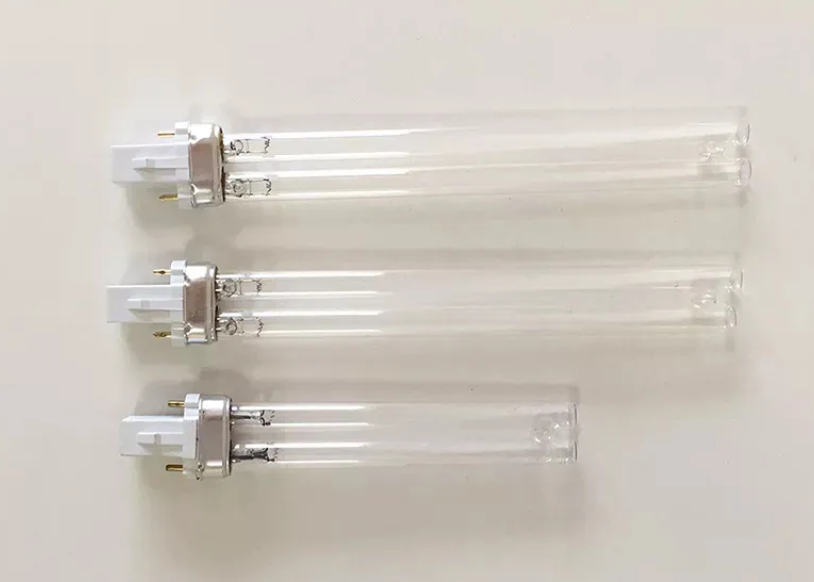
We build these with a special quartz glass body because it lets UVC wavelengths (254nm) pass right through with almost no absorption. The internal coating is just as critical. It keeps the electrical discharge even along the entire tube, so you don’t get hot spots and the output stays stable. And the connector type—like an R7s or SK15—isn’t an afterthought. It’s a deliberate choice for the plant floor. These heavy-duty ceramic terminals handle high voltage and high temperature without breaking down. They lock in a solid, vibration-resistant connection that can take a beating.
Real-World Use: Speed and Trade-offs
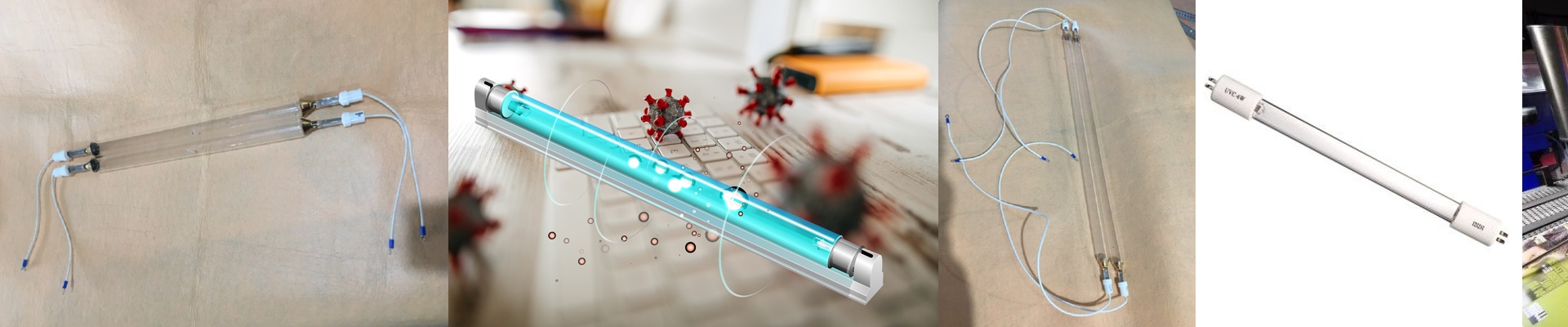
These lamps drop right into high-speed printing and packaging lines, where every minute of downtime costs you. And because they’re instant-on, there’s no waiting around for a warm-up. But here’s the trade-off: that kind of power generates serious heat. A 2500W output means you have to make sure your fixture’s cooling system is up to the task. No proper airflow, and the lamp will overheat—cutting its life short. It’s the price you pay for top-tier curing speed. For disinfection, that same high-intensity UVC output breaks down microorganism DNA. It’s a reliable, chemical-free process, but it comes with a big responsibility. The power is effective, but it has to be handled safely and contained. We built these lamps to be tough. They handle rapid on/off cycling without burning out like hot cathode lamps. They’re engineered for the plant floor, not a quiet lab bench.