

Getting Gallium Iodide UV Lamps Right
If you’re working with high-end semiconductor stuff or chemical curing, you know the struggle. You don’t just need “UV light”—you need it to hit a incredibly specific, narrow window. That’s where Gallium Iodide (GaI) lamps come in.
The obsession with 0.5%
We spent months obsessing over the gas mix and the shape of the electrodes. Why? Because we wanted to hit a 0.5% spectral energy concentration. Most lamps you can just buy off a shelf have a wide spread. That’s a problem. It wastes power and, worse, it can overheat your substrate. By tightening that tolerance, we make sure the energy goes exactly where the photoresist needs it. No waste. No guesswork. But getting there isn’t easy. It takes a crazy amount of control over the vapor pressure and the current density across the arc.
The hardware and the heat
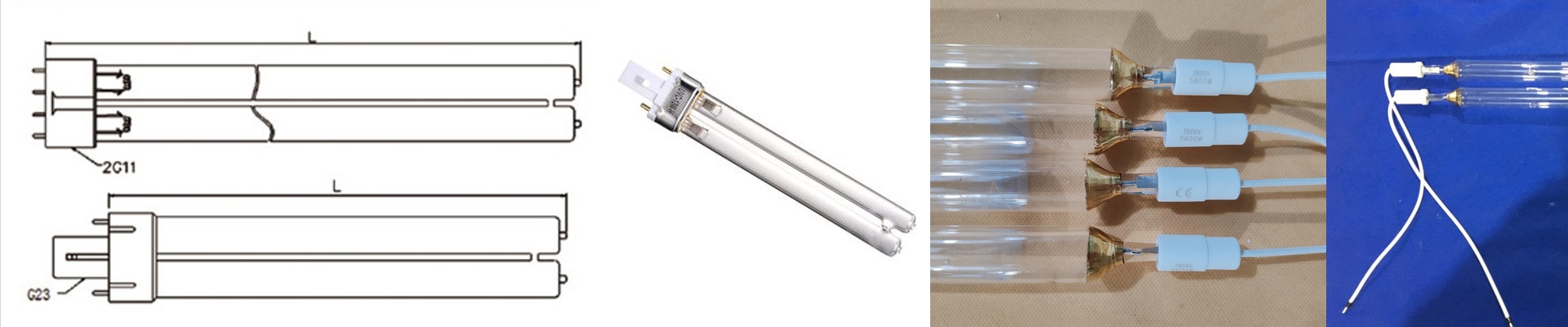
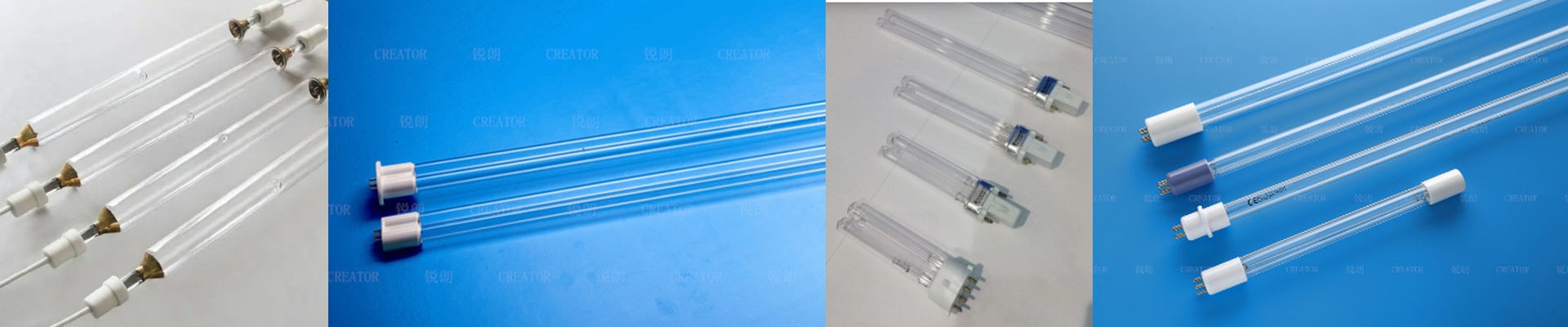
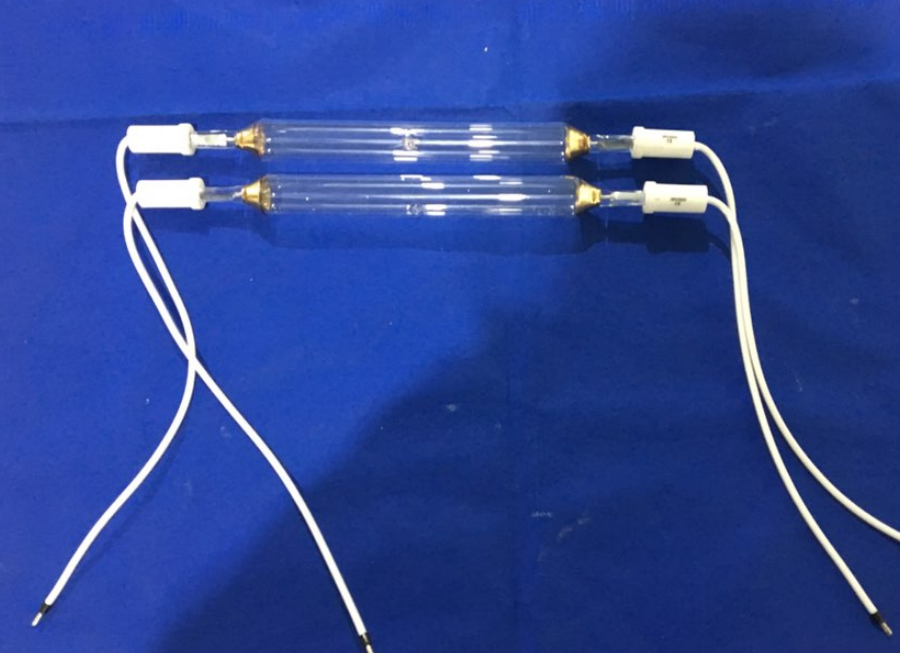
To keep that narrow peak, we use high-purity synthetic quartz for the envelope. If we used cheap glass, it would just soak up the UV output before it even left the lamp. We also beefed up the electrodes so they don’t just burn out under the stress of the arc. But here’s the catch:heat. When you push for this kind of spectral density, things get hot. Fast. If your cooling manifold isn’t up to the task, that quartz envelope is going to stress and eventually crack. It’s a trade-off. You get incredible purity, but you have to keep a very close eye on your cooling.
Putting it to work
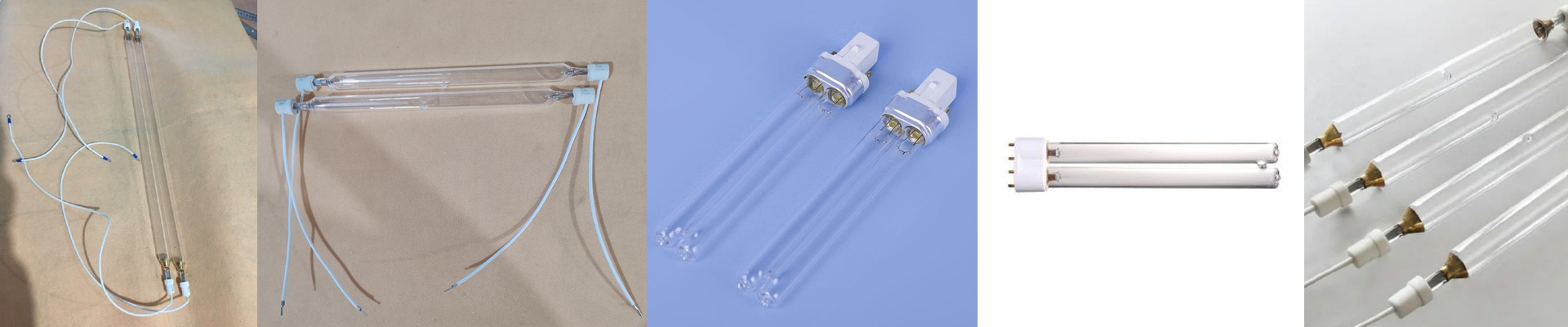
We made these as drop-in replacements. The footprint is standard, so you can just slide them into your existing UV arrays without having to rebuild your entire housing. One tip when you’re wiring it up: make sure your ballast is rock solid. If you have any flicker or voltage ripple, that spectral peak will shift. And just like that, all that 0.5% precision we worked for is gone. It’s a specialized tool. It’s for the engineers who simply can’t afford for their spectrum to drift.