

Making UV Lamps That Don’t Trash the Planet (and Actually Last)
Most UV lamps are built for the short term. They pump out a ton of light right away, but then they burn out in a few months and end up in a landfill. It’s a cycle of waste that just doesn’t make sense. We decided to stop that. We’re focusing on “zero-pollution” design. For us, that means getting rid of the nasty stuff and over-building the internals so you aren’t swapping out tubes every other week.
The secret to a lamp that doesn’t quit
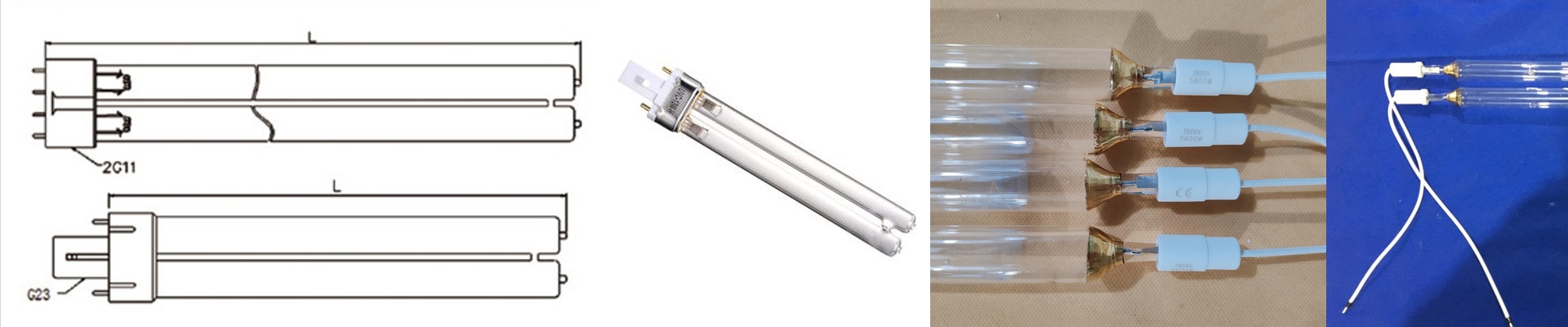
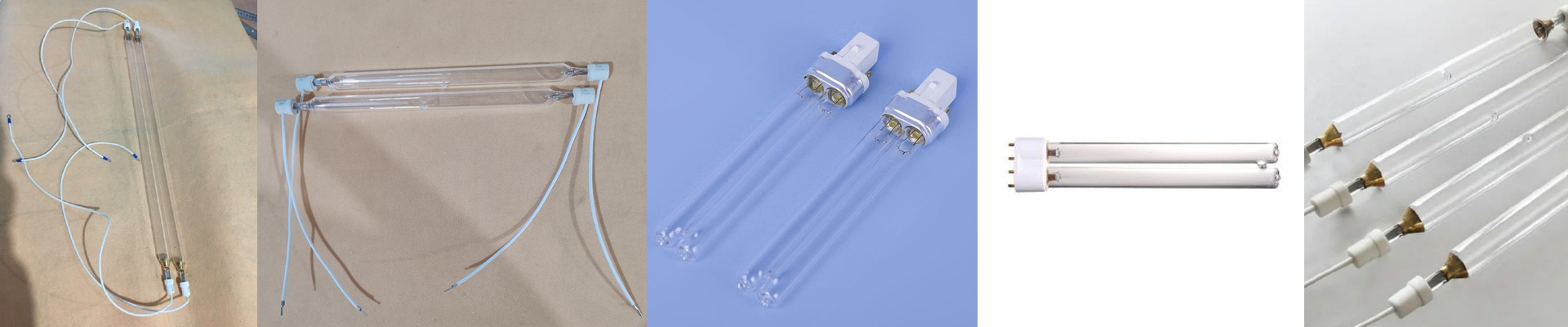
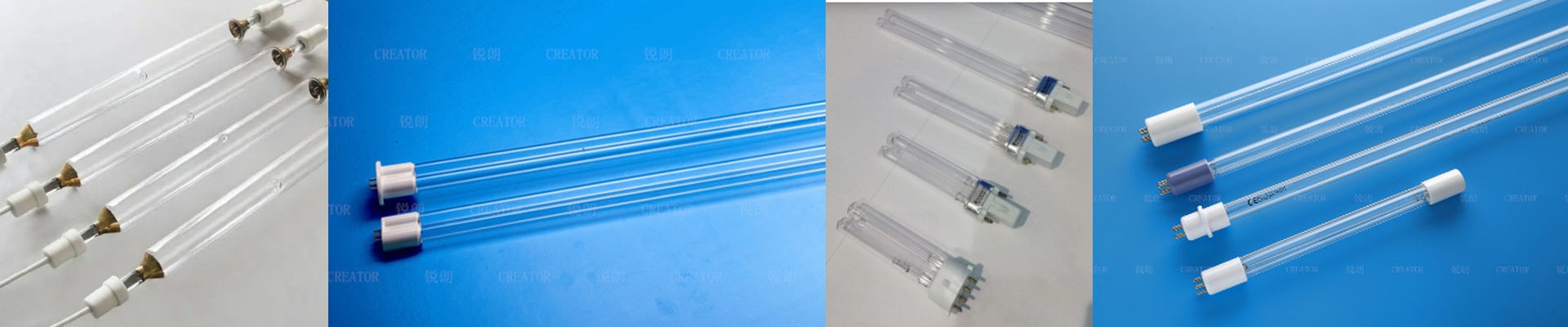
If you want a lamp to actually last, you have to obsess over the electrodes and the quartz. You’ve probably seen lamps that turn a brownish color over time—that’s called “solarization.” It’s basically the glass getting tired and blocking the UV light. We use high-purity synthetic quartz to stop that from happening. It keeps the light strong and steady for thousands of hours. And don’t worry about the power. We didn’t trade strength for sustainability. You still get the same punch of photons and the same curing speeds, but the lamp just doesn’t degrade nearly as fast.
Cleaning up the materials
We’ve ditched the mercury and moved toward eco-friendly phosphors and ozone-free materials. It’s a huge relief. You no longer have to deal with the headache of hazardous waste disposal every time a lamp dies. You just handle it. We also reinforced the end-caps and tightened up the seals to keep gases where they belong. These things take a beating in high-heat environments. If you’re running your gear 24/7, you know how thermal expansion can crack a cheap seal. We spent a lot of time dialing in those tolerances so the metal and quartz move together without breaking.
The honest trade-offs
Here’s the thing: using these better materials means the price tag is a bit higher upfront. But look at the bigger picture. You aren’t paying for constant downtime or expensive hazardous waste shipping. The total cost actually goes down because you’re just… not replacing things as often. One quick tip: these lamps are a bit pickier about their power supply. If your ballast isn’t matched to the specific impedance of these eco-lamps, you might see some flickering or wear out the electrodes early. Just make sure you’re wired into a stabilized power source, and you’ll get every single hour of life out of them.