Making UV Systems Actually Smart
For a long time, UV sterilization and curing have been pretty basic. You’ve got a lamp, a timer, and a lot of hope that it’s actually working. But we’re moving past that. We’ve started building remote energy monitoring right into the circuitry. Now, you can track power draw and see when a lamp is starting to fade without ever having to climb a ladder or pull a bulb out of its housing.
The problem with “invisible decay”
Here’s the thing about UV: you can’t see it failing. Most setups just sit there until something goes wrong. You don’t realize a bulb is shot until a quality check fails or a sterilization cycle misses its mark. That’s a nightmare. By tracking the actual wattage coming from the ballast, we can spot the dip. If the power drops too low, the system flags it. You get a heads-upbeforethe production line grinds to a halt.
How it actually works
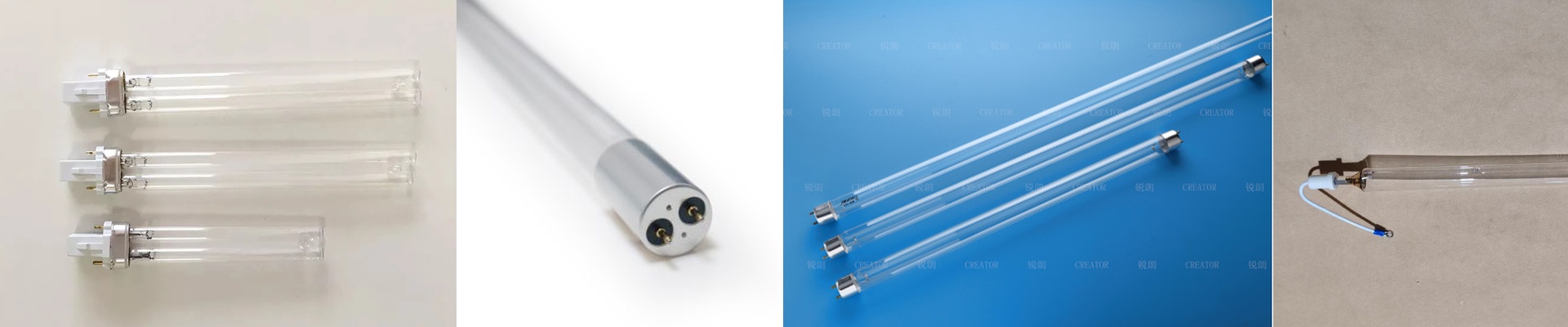
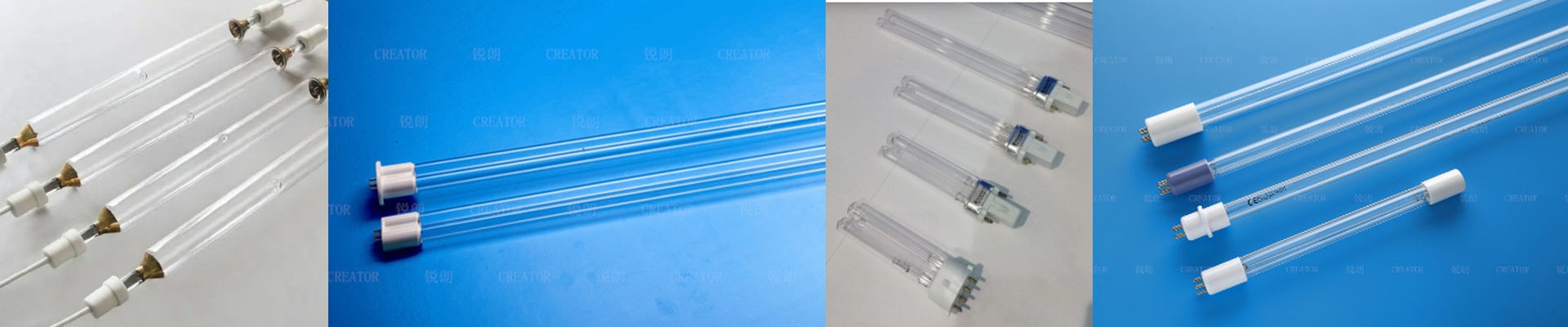
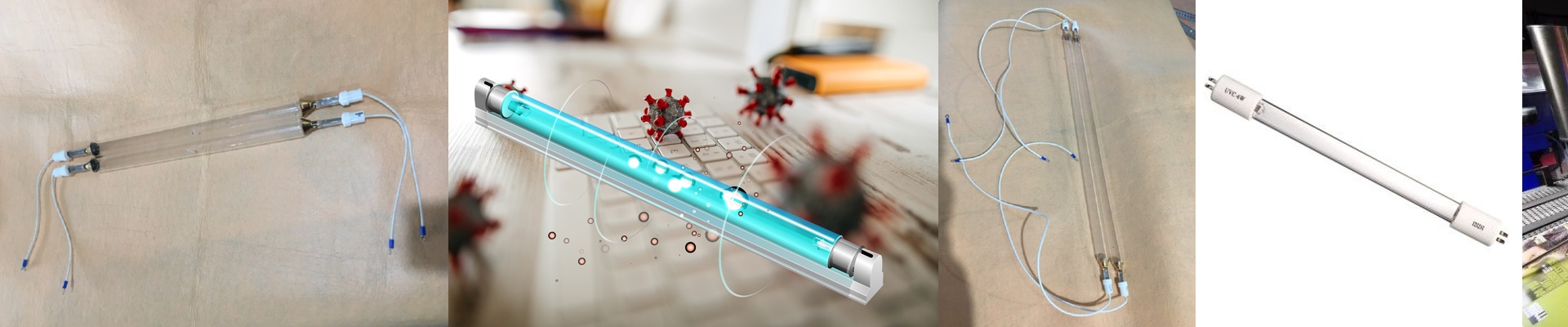
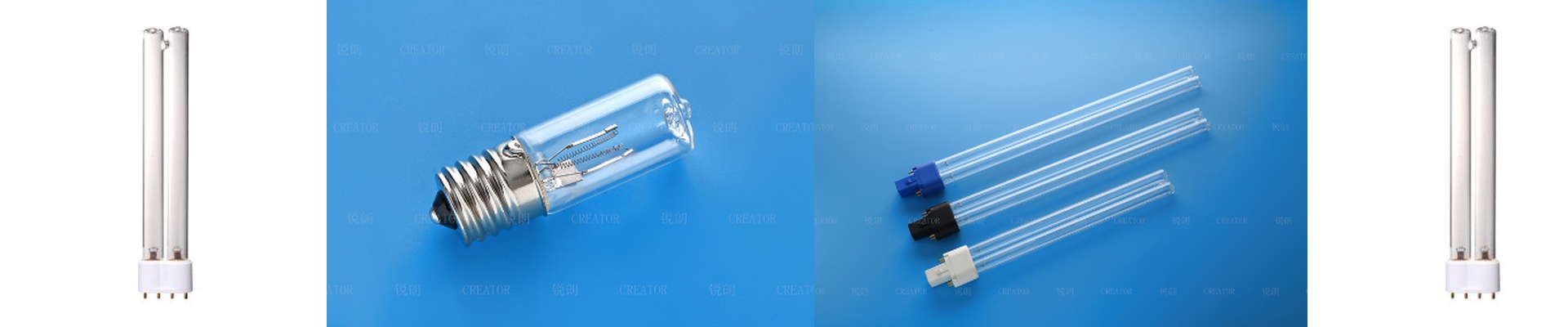
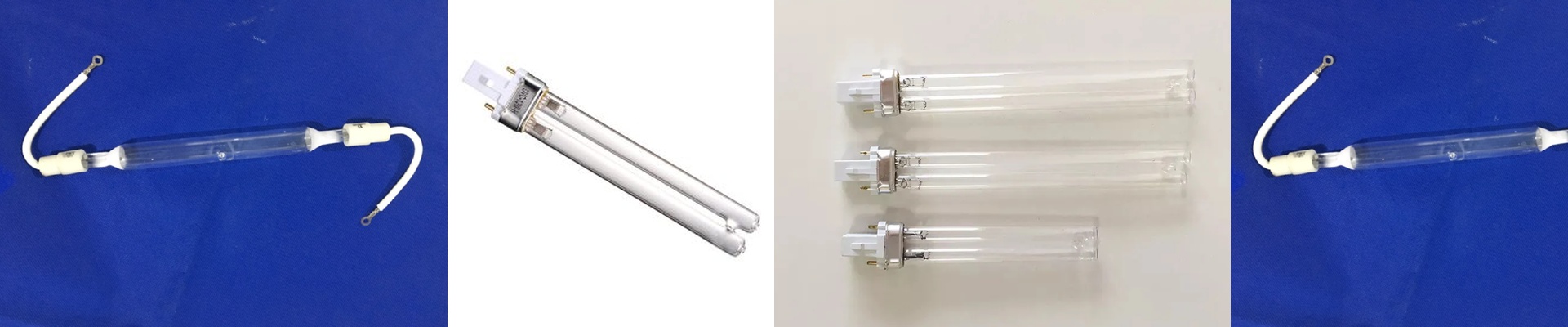
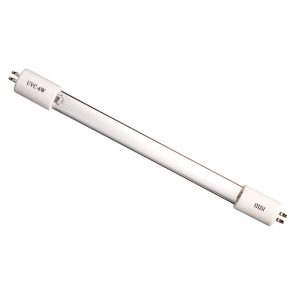
We do this by pairing high-output UV-C quartz tubes with IoT power modules. These little guys measure the voltage and current right at the source and send that data to a dashboard. If you’ve got an array of 50 lamps, you don’t have to guess which one is acting up. You can see exactly which bulb is underperforming in real-time. But let’s be honest—it’s not a magic wand. Adding this hardware means your control cabinet will be a bit bigger. And you’ll need a solid network connection on the shop floor, or the data just won’t reach your desk.
The tradeoff: Maintenance vs. Guesswork
This changes the whole way you handle replacements. Usually, people just swap every bulb every 9,000 hours. It doesn’t matter if the bulb is still perfect; they just toss it. That’s a waste of money. With monitoring, you only replace the ones that are actually dying. One warning, though: these high-intensity systems gethot. Really hot. You have to keep the sensors isolated from the heat zone. If you don’t, the thermal drift will mess up your readings—or worse, the heat will fry your sensors long before the lamp even burns out.