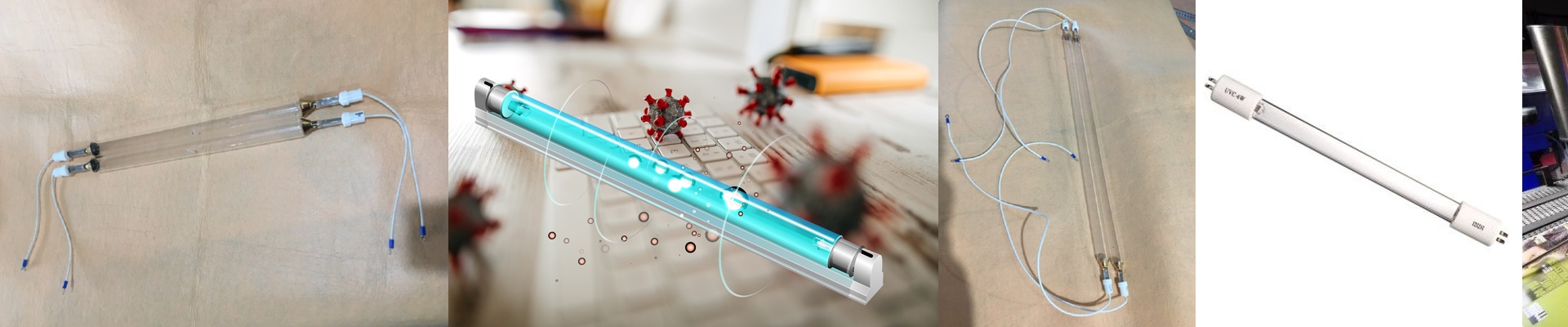
Let’s Talk About Standard Mercury UV Bulbs
If you’ve spent any time in industrial curing, you know mercury bulbs. They’re the old-school workhorses. Basically, we run an electrical arc through mercury vapor to create a blast of UV radiation. That’s what does the heavy lifting—triggering the chemistry in your inks, coatings, and adhesives so they set instantly.
Getting the Power Right
Here is the thing about power: it’s all a balancing act between wattage and voltage. If you want your production line to move faster, you need more power density. Higher wattage means more UV intensity, which means your parts spend less time under the lamp. It’s simple. But you have to be careful with your ballast. If the voltage is too low, the arc starts flickering—which is a nightmare for consistency. Go too high, and you’ll fry the electrodes.Match them up correctly, or you’ll be replacing bulbs way sooner than you should.
The Build (Quartz and Custom Fits)
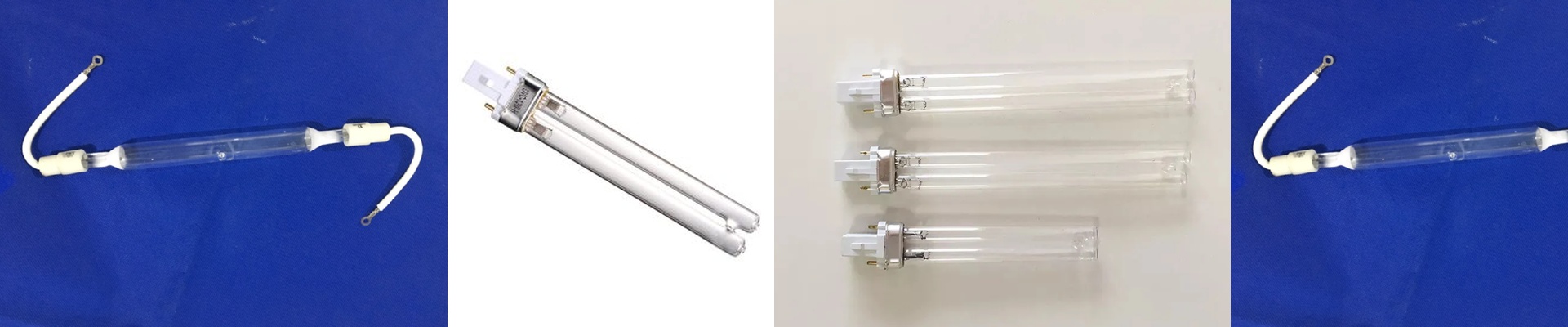
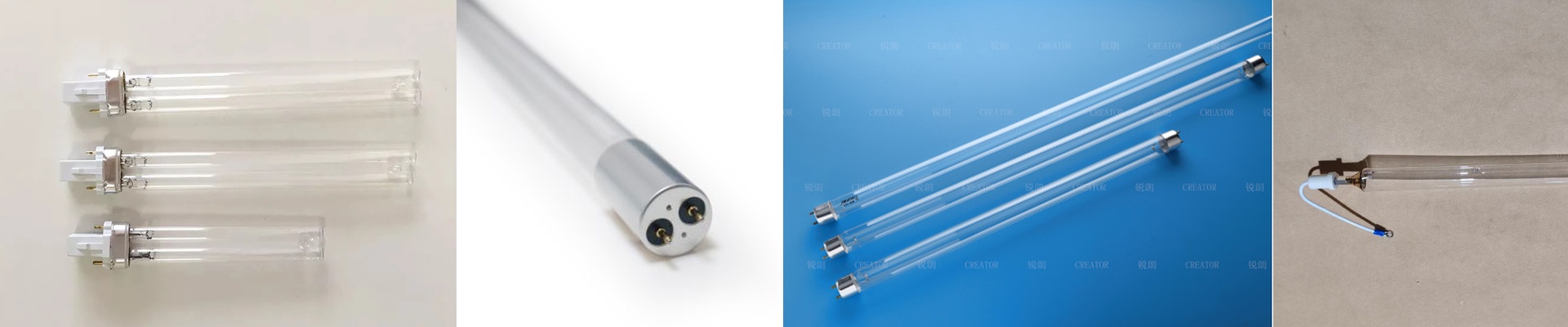
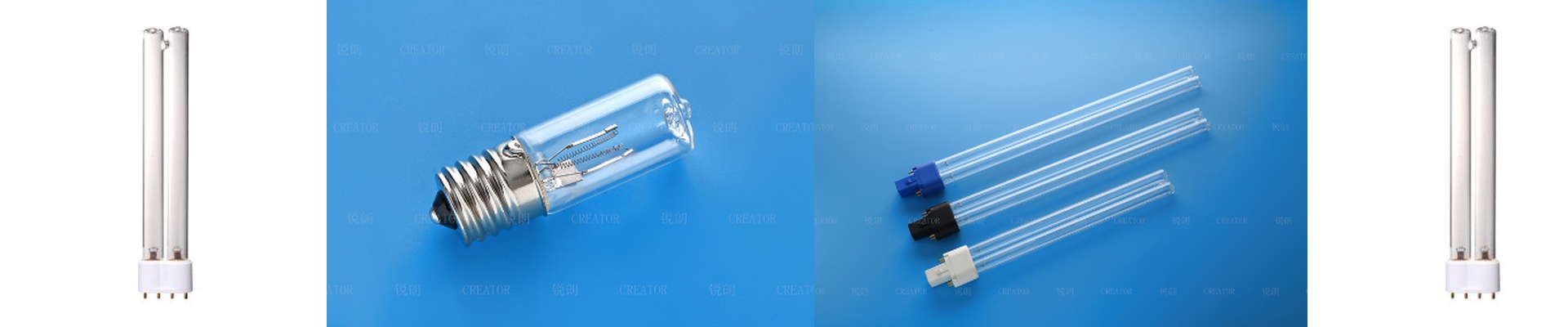
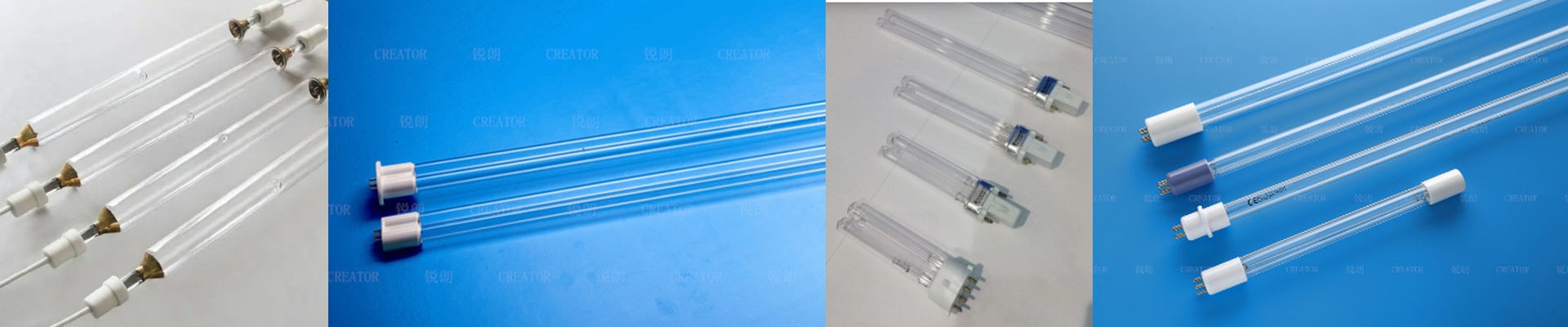
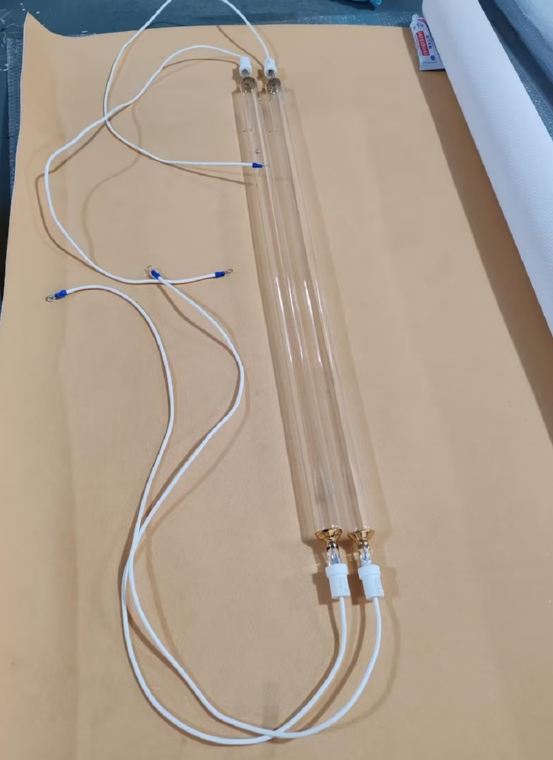
We don’t use regular glass for these. Why? Because glass blocks UV. We use high-purity fused quartz so the light actually gets to your product. For our OEM partners, we don’t do “one size fits all.” We tweak the length, the diameter, and the end-caps so the bulb just slides right into your existing housings. No hacking or rigging required. Depending on what you’re curing—like a thin surface coating versus a thick resin—we can even adjust the mercury pressure inside the tube to shift the light spectrum. It’s all about hitting the right spot.
The Heat Trade-off
Now, there is a catch. These high-output bulbs gethot. Really hot. You get that curing speed you want, but you also get a lot of infrared heat as a byproduct. It’s just physics. If your cooling system isn’t up to the task, you’re going to have problems. Your substrates might warp, or the bulb itself will just burn out. Whether you use airflow or water-cooling, you need a plan. We’ll give you all the raw data on heat dissipation so you can build your hardware around the actual temperature of the lamp, not a guess.