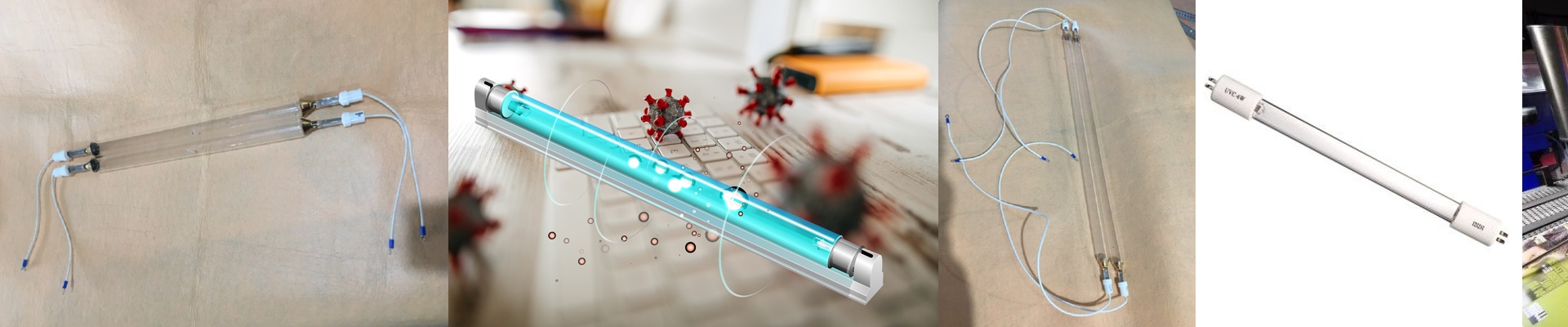
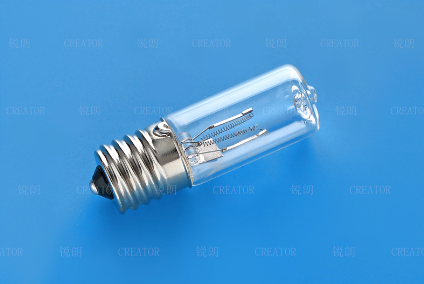
Getting UV Energy Right in the Modern Factory
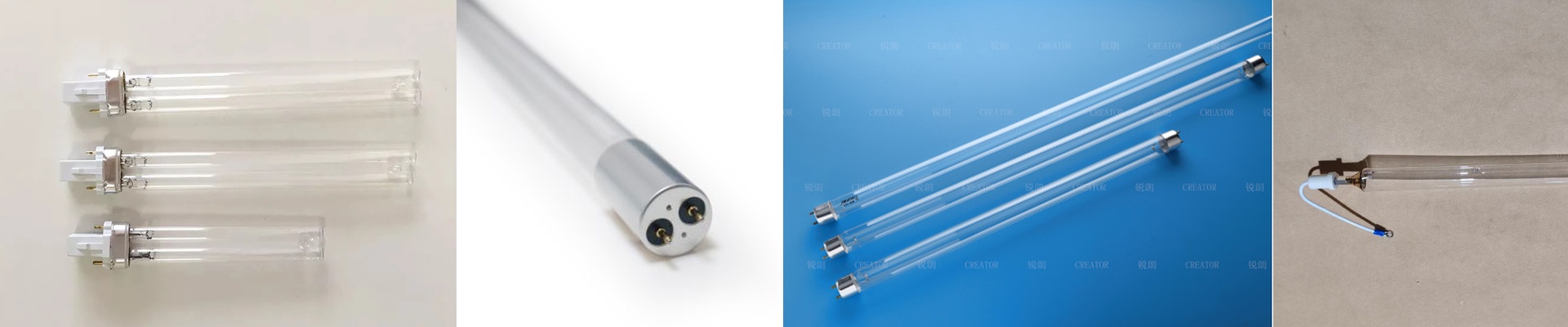
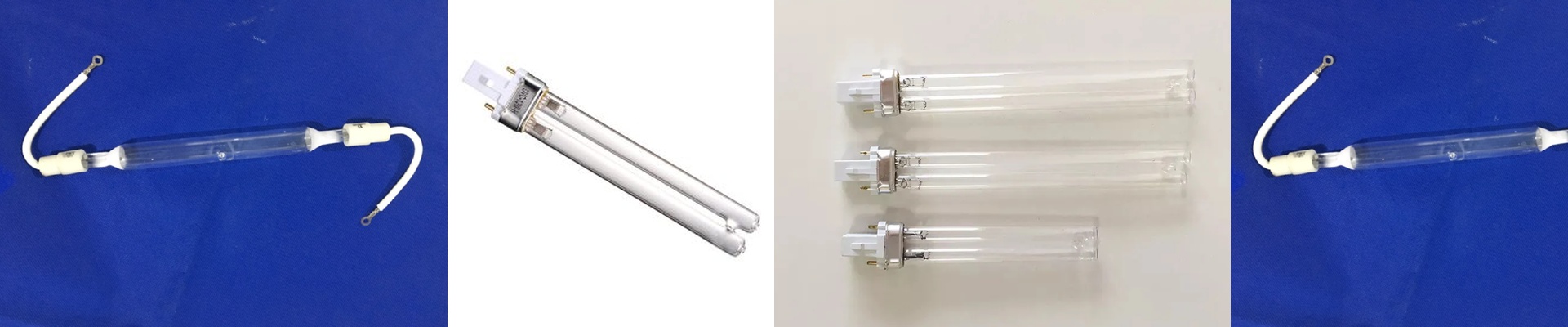
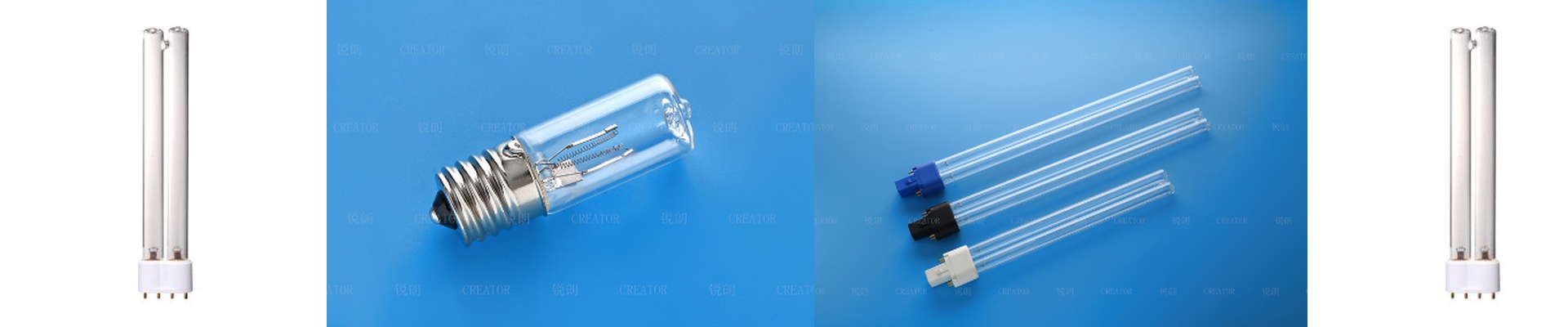
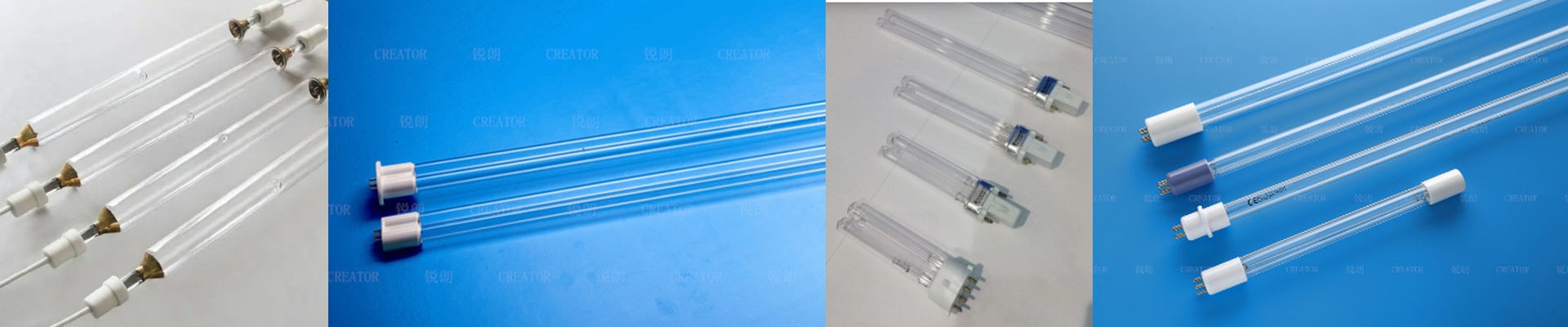
Let’s be honest: we’re doing way more than just “curing” things these days. In a modern setup, those high-pressure mercury lamps aren’t just lights. They’re more like precision tools for delivering energy. They pump out a broad spectrum of UV—mostly UVC and UVB—to make coatings and adhesives snap into place almost instantly.
The Nitty-Gritty of the Physics
We build these lamps to handle some serious internal pressure. By squeezing that mercury vapor, we can push the spectral output higher. Why does that matter? Because it means you can keep your line moving fast without worrying if the cure is actually reaching the bottom of the layer. Just a heads-up: make sure your ballast matches the lamp’s wattage and voltage exactly. If you don’t, you’re looking at a short lifespan or an arc that just won’t stay put.
Heat, Glass, and the Balancing Act
We use high-purity fused quartz for the outer shell. It’s the only way to let the UV radiation flow through without getting soaked up by the glass, all while surviving the brutal heat of the arc. But here’s the catch. Most of these high-output tubes need a cooling jacket. If your airflow is sluggish, the quartz gets too hot. Then you get “solarization”—that’s when the glass clouds over and starts blocking the very UV you’re paying for. It’s a trade-off. More wattage means faster curing, but it means your cooling system has to work a lot harder.
Making it Work on the Line
If you’re the one wiring these into a PLC system, you just want stability. No surprises. We designed these to be drop-in replacements because nobody wants a line sitting idle for hours. One pro tip: get your reflectors aligned to the millimeter. If they’re off, you’re just wasting energy and risking hot spots on your product. We focus on keeping the output steady throughout the life of the bulb, so your process doesn’t start drifting just because the lamp is getting older.