Mercury UV Lamps for Plastic Bottle Lines: The Real-World Specs, Physics, and Results
We build mercury UV lamps for one place: the plastic bottle line. Where you can’t slow down, and you can’t afford a half-baked cure. These lamps are made to give you repeatable intensity on PET, so your line speed stays steady. No chasing hot spots. No worrying about uneven drying. Just a consistent, reliable cure—again and again.
Power, voltage, and fit: the details that matter on the floor
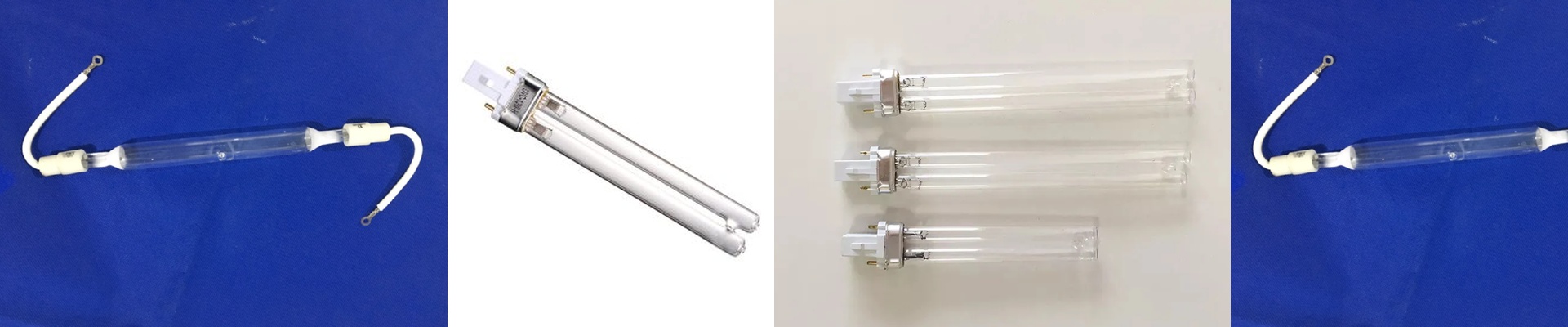
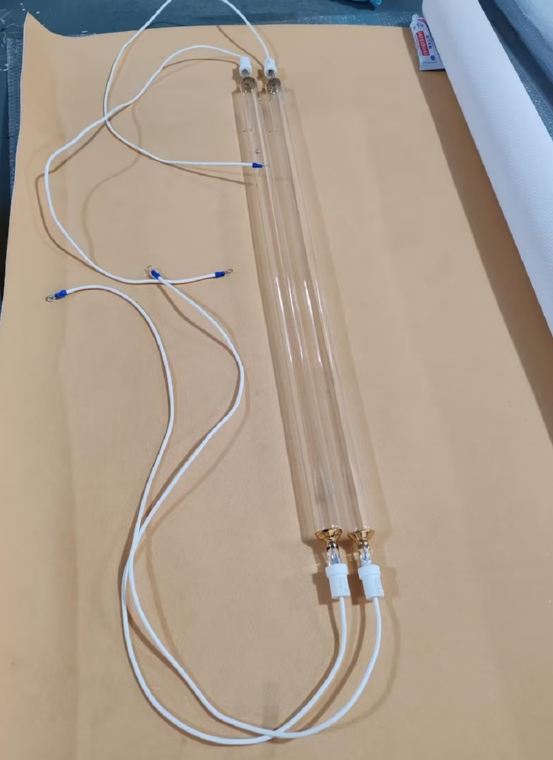
On a bottle line, the lamp has to land in a narrow sweet spot: enough power to cure fast, but not so much that it scorches or warps PET. So we tune our custom UV lamps to hit the right irradiance density, and the electrical specs back that up. We run the lamp at 400V to keep the arc stable through the mercury vapor. Why does that matter? Because your line speed is fixed. If the lamp output drifts, the cure quality drifts right along with it. And the size? 300mm long, 10mm diameter. That’s chosen to match standard irradiation zones and retrofit slots, so you can drop it in without reworking the reflector cavity.
The build: quartz tube, smart coating, and an R7s connector that saves time
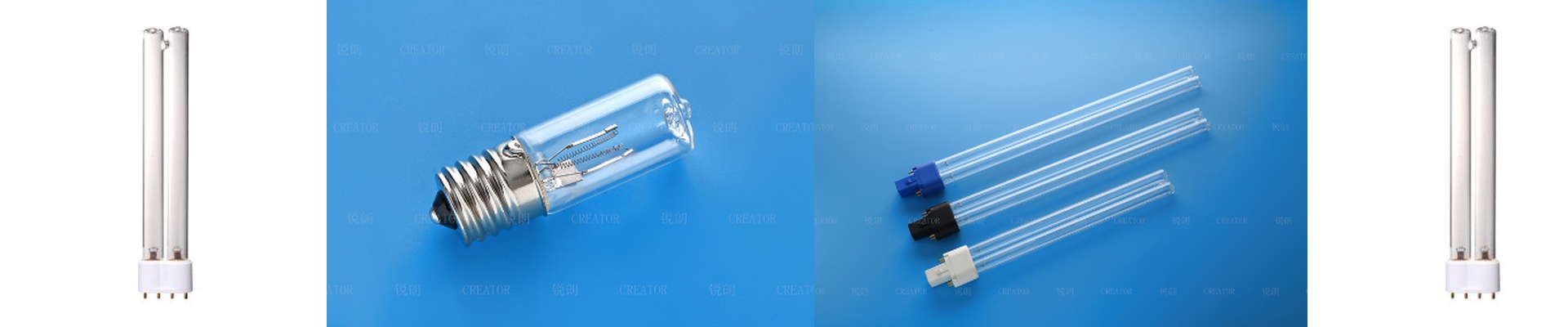
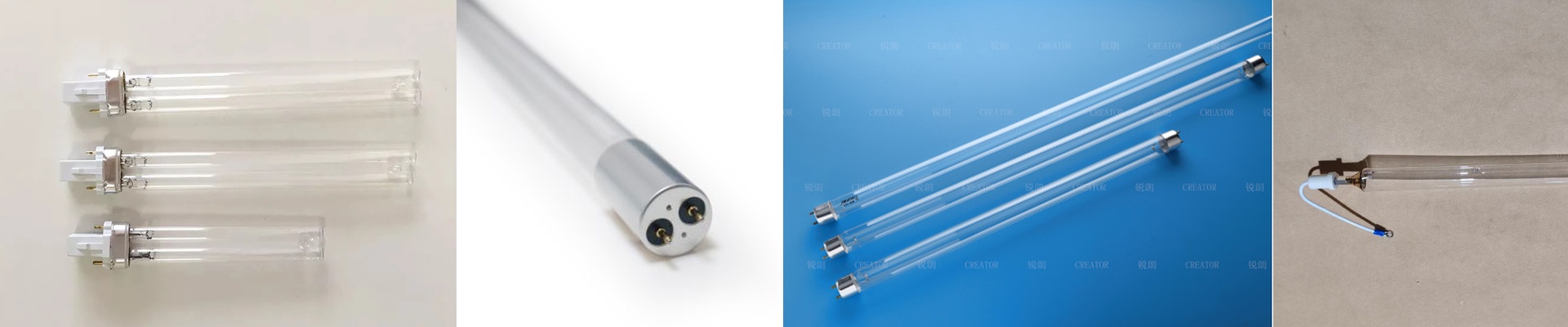
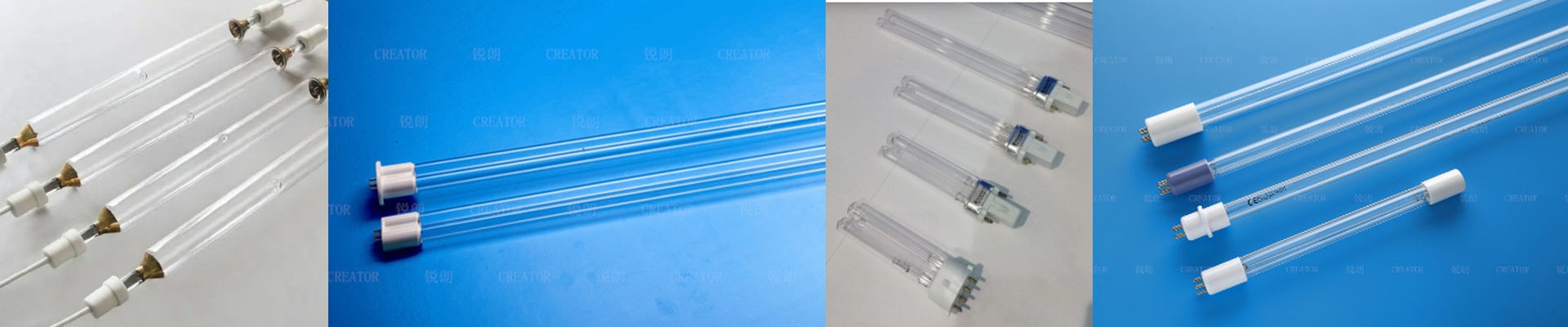
The tube is quartz. Plain and simple. It transmits UV cleanly and handles rapid heating and cooling without cracking under pressure. The coating isn’t for looks. It helps control the spectrum and stabilize the arc, so output stays steady over the life of the lamp. Then there’s the R7s connector. It’s a practical, industrial choice for a reason. It carries the current, locks the lamp in place, and makes replacement fast—no special tools, no wrestling with fragile ends. On a running line, that means less downtime and fewer mistakes.
How it works on the bottle line—and what you need to keep it happy
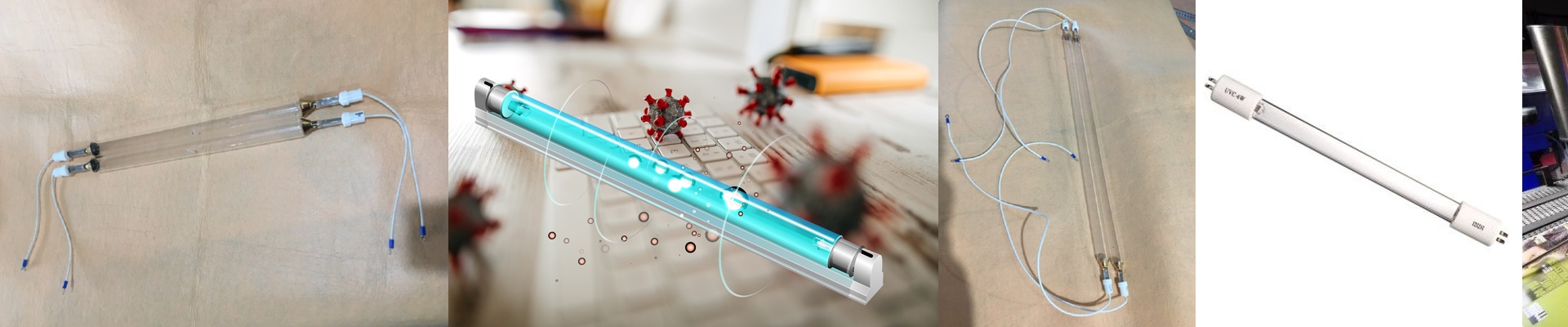
On plastic bottle lines, this lamp is typically used to cure inks, coatings, and adhesives on PET preforms or finished bottles. The 300mm footprint fits the curing stations you already know, and the high-voltage design keeps the arc stable even when the line is running hard. Now, here’s the trade-off: the power density needed for fast curing means your cooling and shielding have to be properly set up. Run it without enough airflow or with misaligned reflectors, and you’ll risk overheating components—and you’ll see uneven cure.
Our promise, straight up
We stand behind performance. If our custom UV lamp doesn’t deliver the curing output you’d expect from premium brands at the same price point, we make it right with full compensation. That’s how we spec, test, and ship—so your line keeps moving, and you can stop worrying about the lamp.