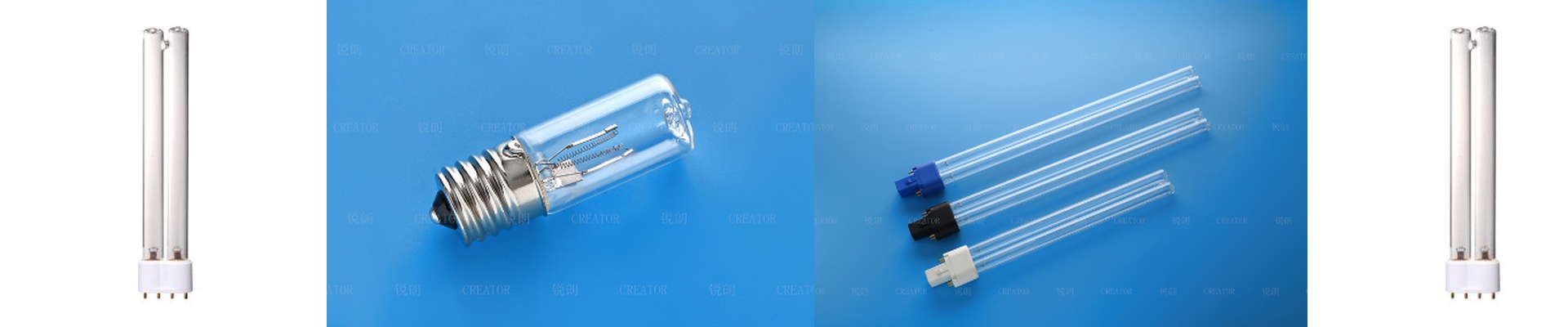
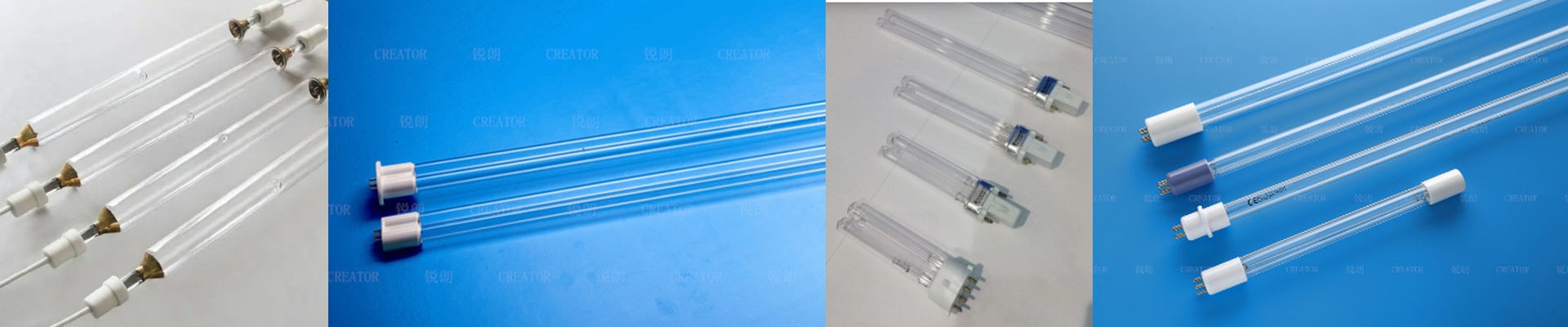
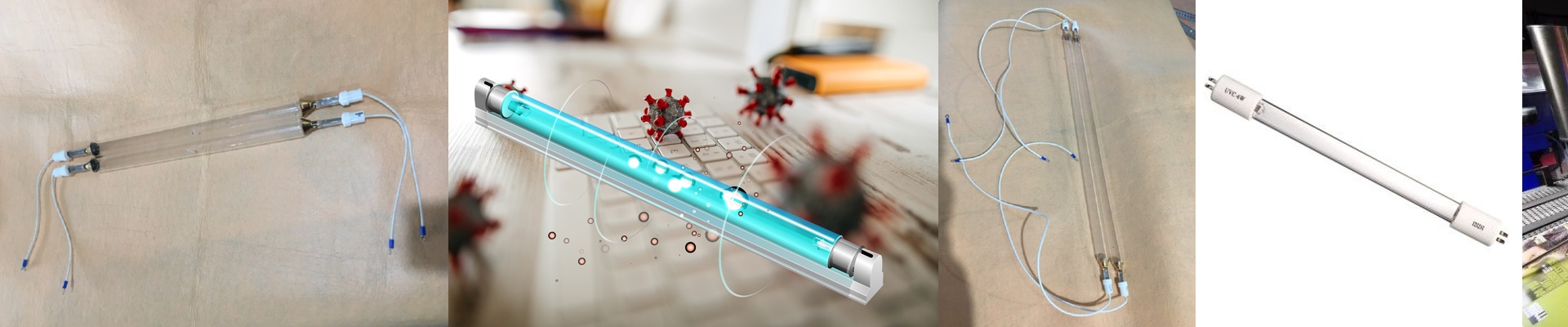
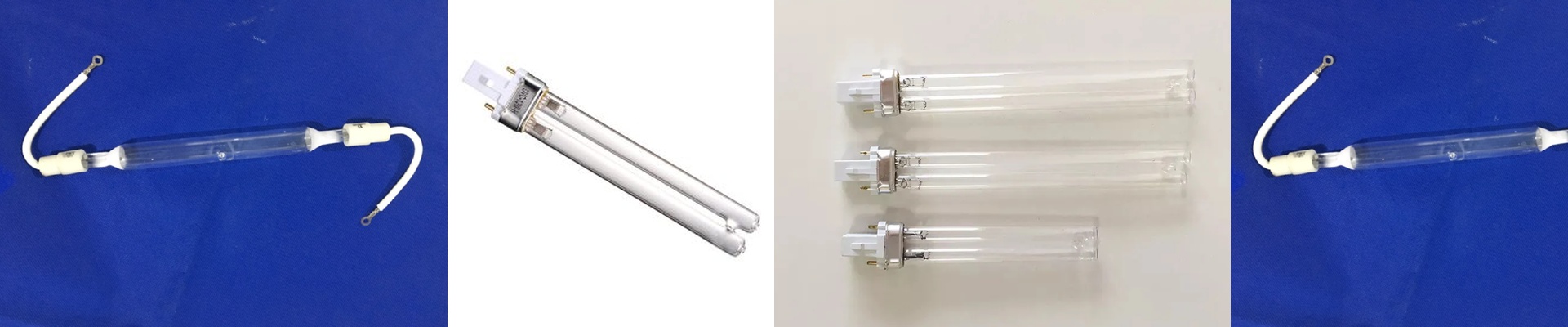
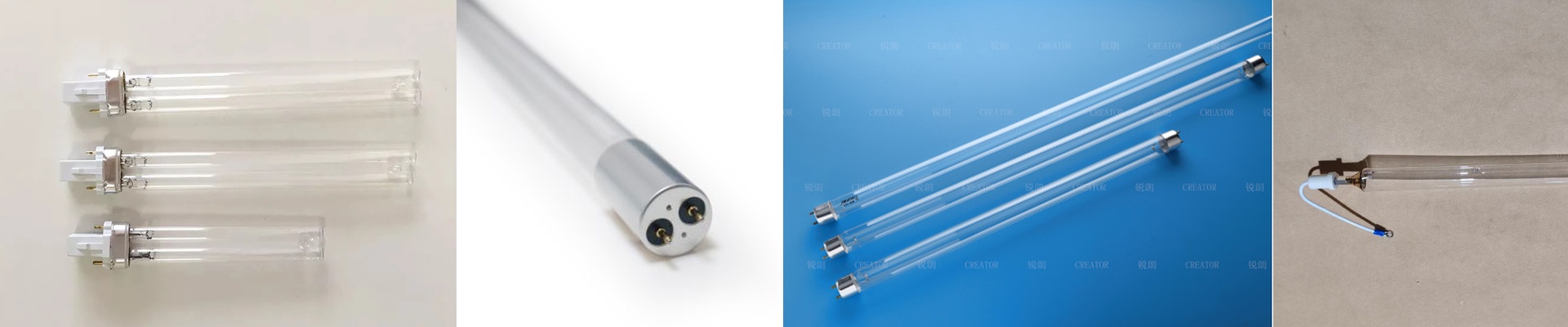
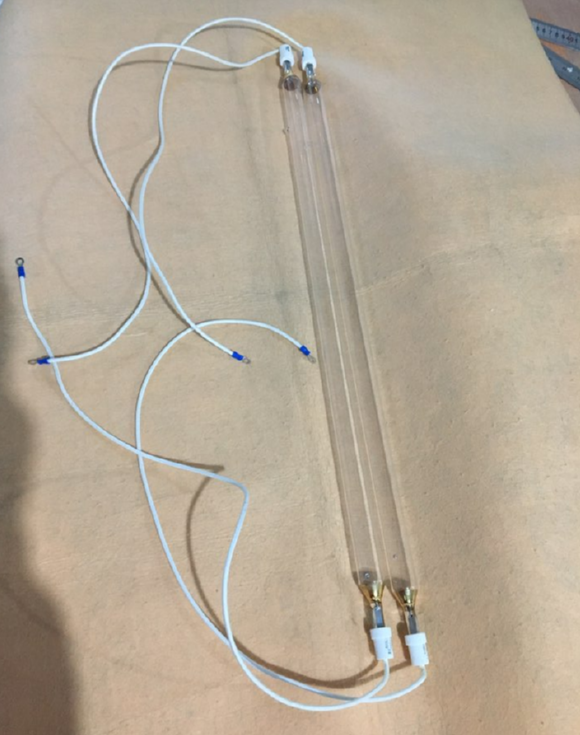
On the press floor, UV curing doesn’t give you room to negotiate. When the lamp goes down, the line stops—and every minute of downtime eats margin that’s already under pressure from consumables, energy tariffs, and the cost of keeping spares on the shelf. In UV offset, flexo, and screen, the connector is usually the smallest part in the curing stack—but it’s one of the most common failure points. A 4-pin UV lamp connector isn’t a “nice-to-have.” It’s the repeatable electrical interface that keeps spectral output stable and keeps changeovers moving at pace. What matters, in practice, is repeatability. A 4-pin UV lamp connector is built to hold pin alignment and contact pressure through thermal cycling, so ignition voltage and lamp current stay inside the window your power supply expects. That matters because UV curing performance comes down to delivered energy: peak irradiance at the arc distance, spectral output that matches the photoinitiator absorption band (365nm, 385nm, or 405nm), and stable mJ/cm² across the substrate. A sloppy connection introduces arcing, voltage drop, and intermittent lamp strikes—any one of those can shift curing energy. The result? Uncured ink, adhesion failure, or warped heat-sensitive substrates. Here’s why it works in real production: you can control cost without gambling uptime. On a line running high-pressure mercury vapor lamps, the 4-pin setup cuts variability during lamp replacement, shortens changeover, and reduces the risk of misalignment that can waste lamps and reflectors. That feeds straight into a purchasing approach where wholesale pricing has to be backed by real reliability—fewer rejects, fewer emergency service calls, and fewer spare lamps tied up in inventory because the system runs predictably. A few shop-floor basics.**4-pin compatibility is not universal.**Check pin spacing, keying, and current rating against your curing unit and lamp base, and make sure the connector body material can take repeated exposure to UV and ozone. Treat the contacts like a consumable. Put cleaning and inspection on schedule, or you’ll get drift in lamp performance that quietly pushes your cost per printed part higher.