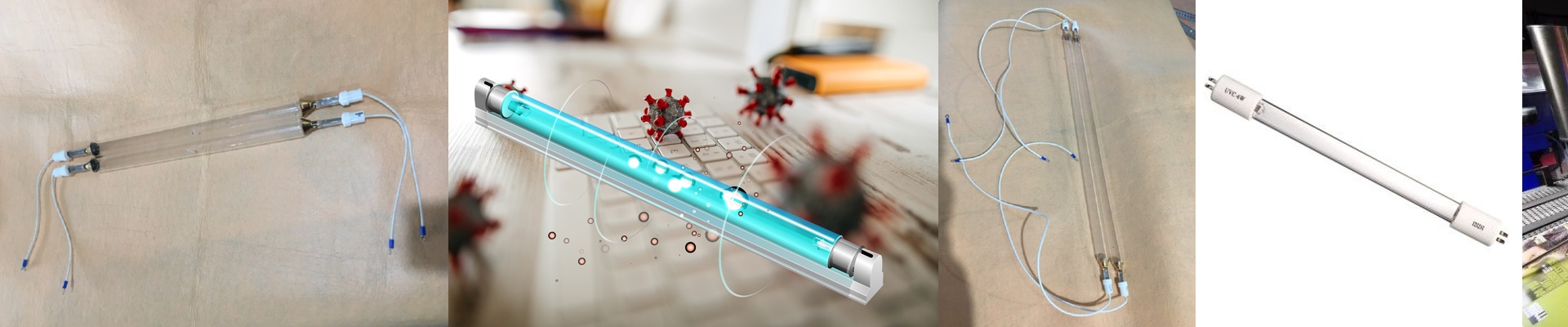
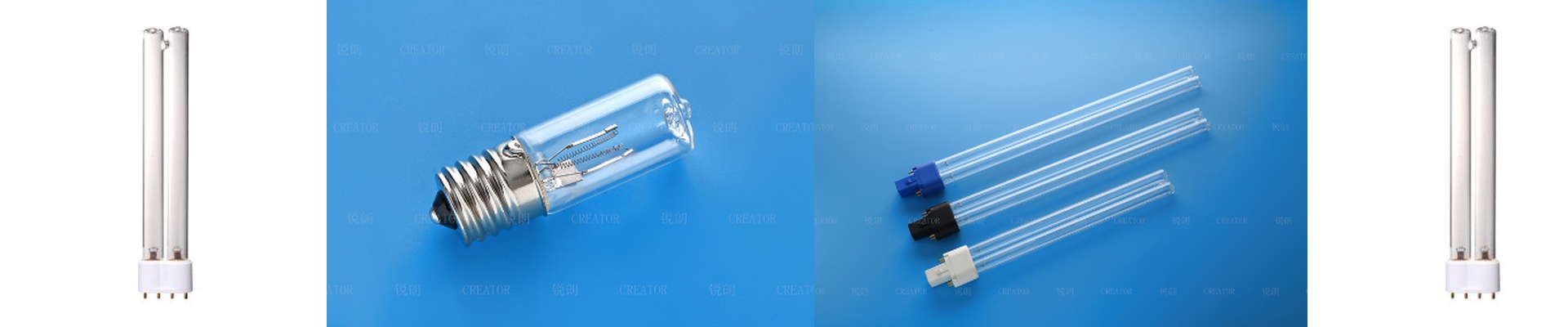
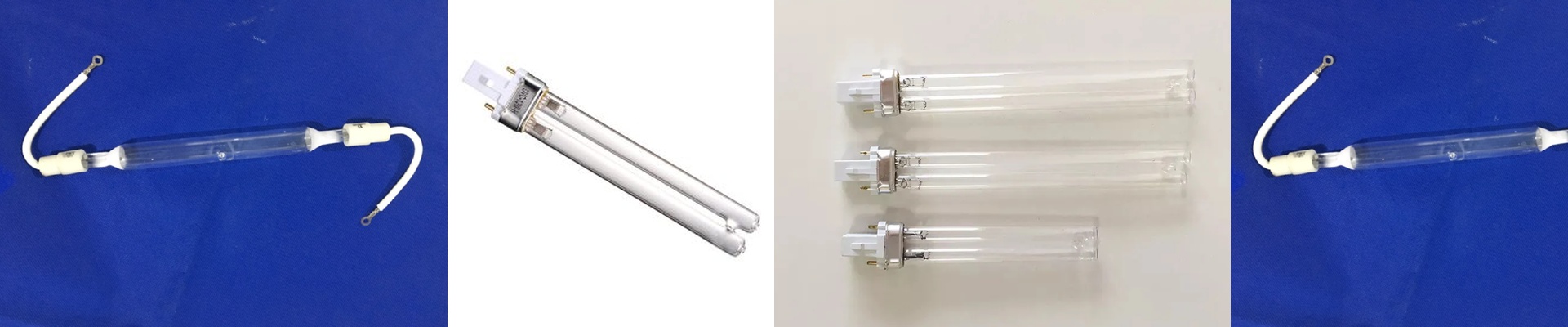
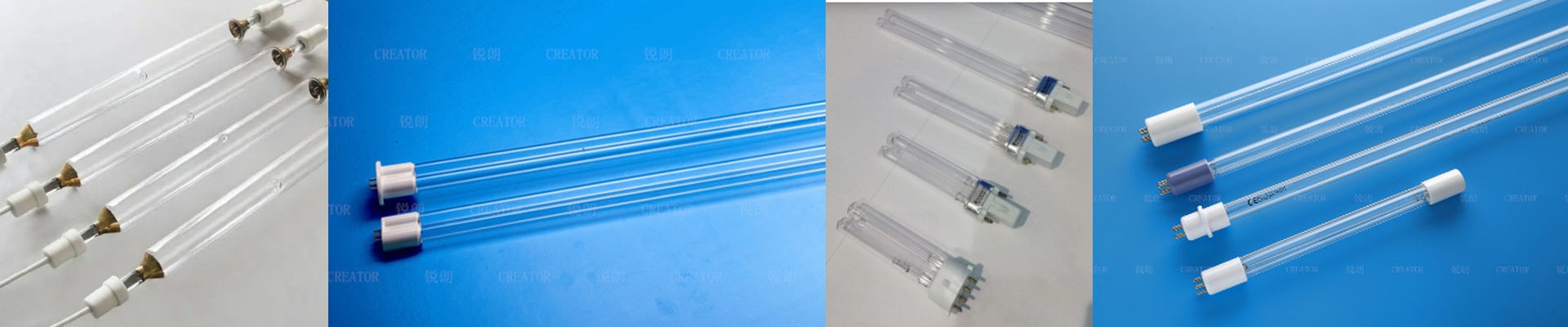
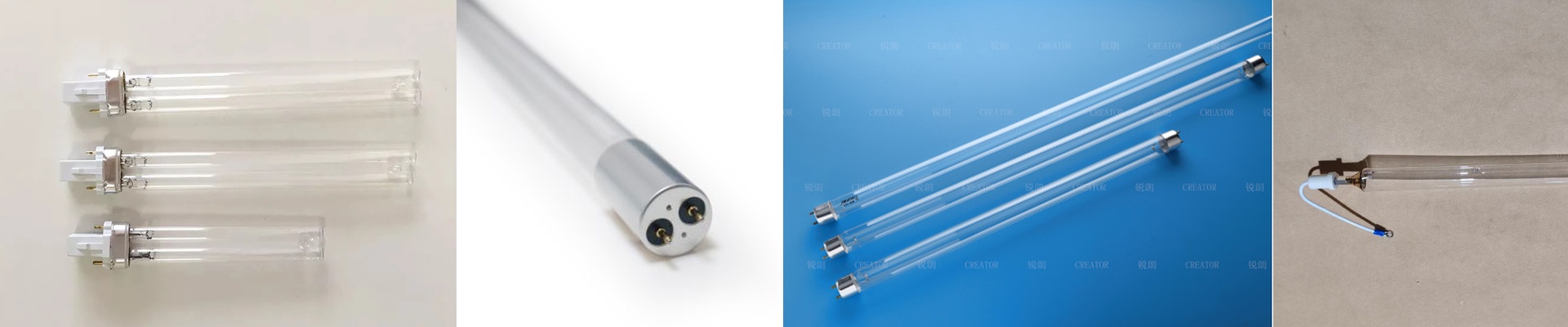
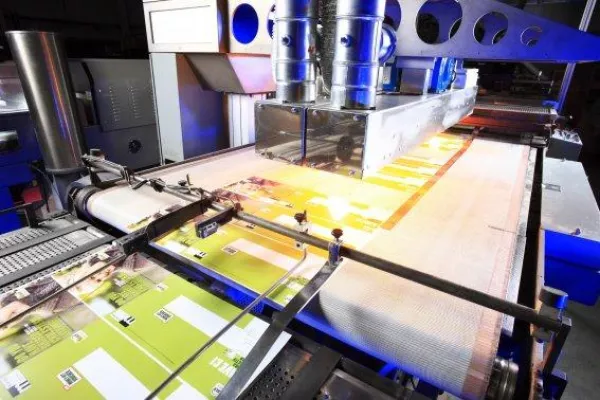
On the press floor, a UV lamp that’s slipping doesn’t throw a warning light. It shows up the hard way—adhesion failure on coated stock, incomplete cure on heavy ink films, and gloss that drifts enough to show up in QC. When your custom UV lamp is past its prime, you pay for it in scrap, rework, and electricity that isn’t doing its job: cross-linking. The answer isn’t guesswork. It’s measurement you can repeat, shift after shift.
What actually matters under the hood
UV coating durability comes down to delivered energy density (mJ/cm²), not just “how big the lamp looks.” A lamp that should hit 800 mJ/cm² at 365 nm can drift low as the arc wears, reflector coatings age, and quartz sleeves haze. Run UV energy test strips made for intensity mapping. They shift color in proportion to UV dose, giving you a quick, repeatable snapshot across the cure window. Then back that up with a calibrated radiometer to track peak irradiance and spectral output. A healthy lamp holds about ±5% output over its life. A drifting lamp kills cure speed and weakens cross-linking—even when the lamp still fires up and “looks fine.”
Why this plays in UV offset, flexo, and screen
In UV offset, flexo, and screen work, the schedule doesn’t forgive trial-and-error. A fast test strip at shift start, mid-run, and after lamp warm-up tells you whether you’re still hitting the dose your coating chemistry needs. When output drops, you adjust cure parameters or plan maintenance before defects hit the stack. The payoff is fewer rejects, adhesion you can count on, and lamp life that stretches because you replace on measured degradation—not on gut feeling.
The details that make it work
This only works if the test strip sits at the same distance, angle, and temperature as the substrate, and if you log readings against lamp hours. It won’t paper over dirty reflectors or misaligned shutters. Expect a 5–10% output drop before cure issues become obvious.Treat that range as your early warning system.