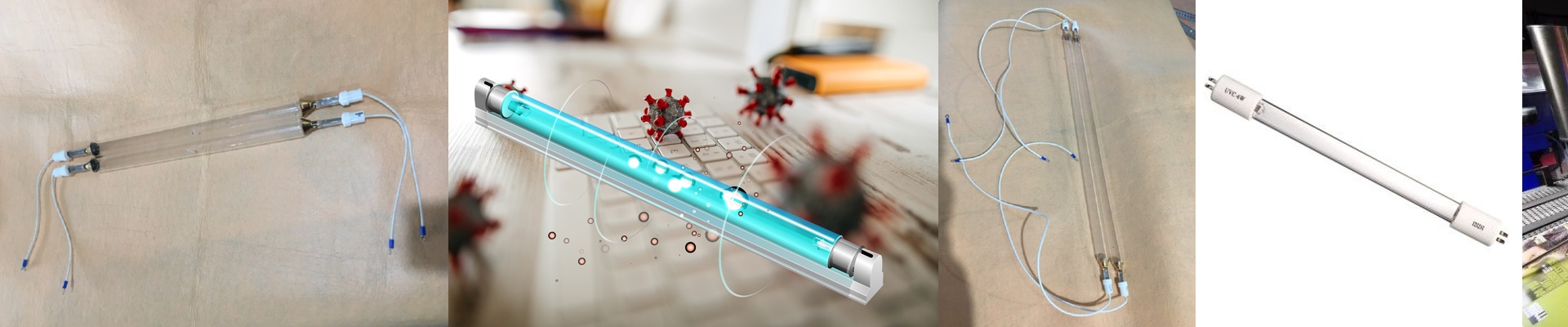
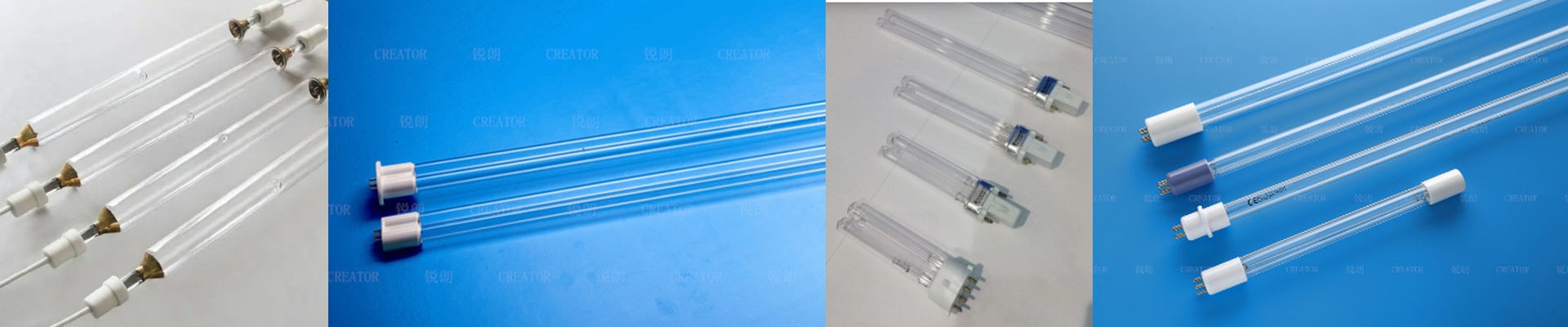
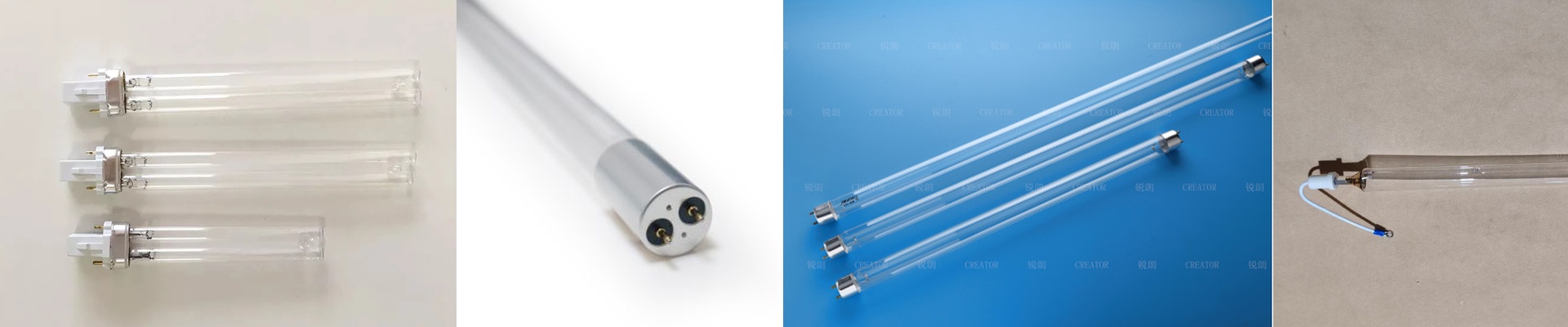
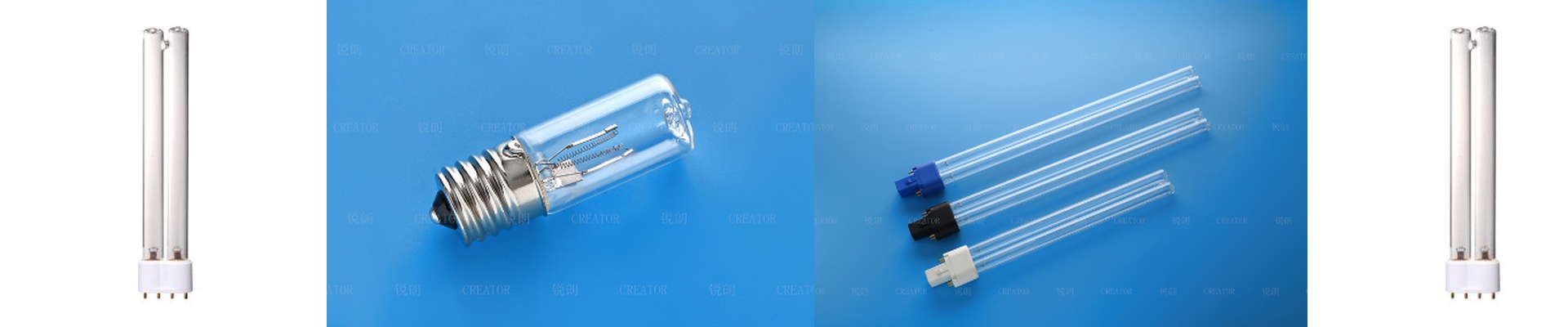
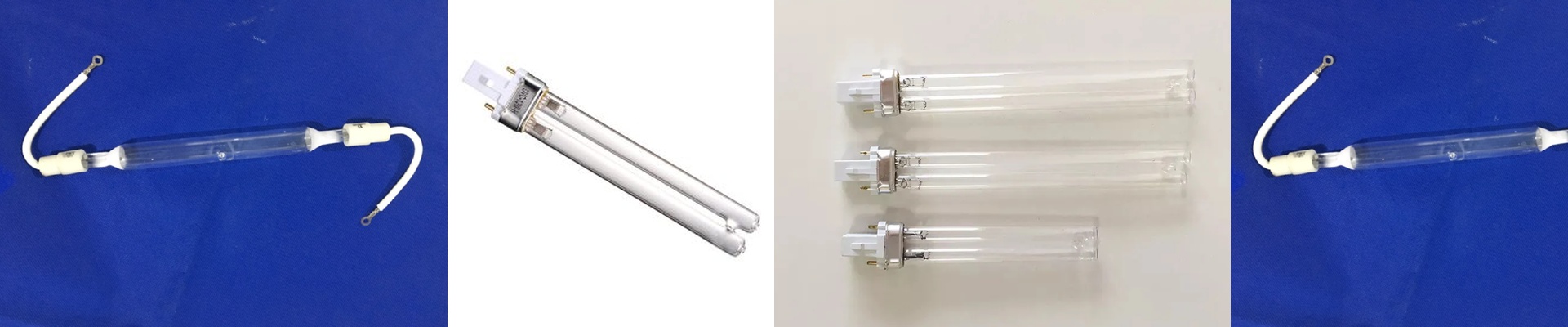
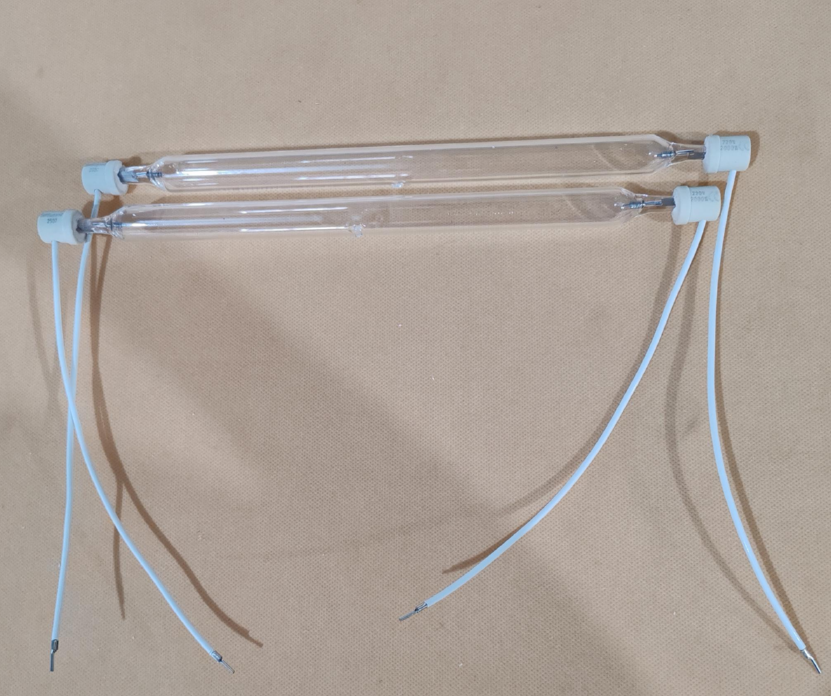
On the floor, it’s less about the light and more about the chemistry. When you’re running textile work, choosing between short-wave UV and LED UV sets the tone for the whole job. Short-wave UVC from a true mercury vapor lamp gives you the broad spectral output needed to hit photoinitiators across the entire ink layer. That’s not just surface drying—this is deep-layer cross-linking. LEDs can nail a surface cure on certain formulations, but they fight to get the depth and throughput you need when the ink pile is heavy or the layer is thick. The difference is measurable. A short-wave UVC system delivers peak irradiance across a spectrum that drives complete polymerization, even in dense, opaque inks. The payoff is instant, through-cure in one pass. No tacky under-cure that comes back as blocking and handling headaches. The energy density is high enough to cut through the ink column, curing from the bottom up—not just the top down. On your textile line, that means you can run faster and cut rejects. Because the cure is instant, you can stack right away. Work-in-progress drops, and you reclaim floor space. Energy use stays tight, too—the lamp only fires when the job runs. And lamp life? It’s measured in thousands of hours, with stable output. One heads-up: short-wave UVC means proper shielding and ozone management. Make sure your ventilation and safety interlocks are set correctly. Do that, and you get a process that keeps presses moving at full capacity—not idling while the ink “dries.”