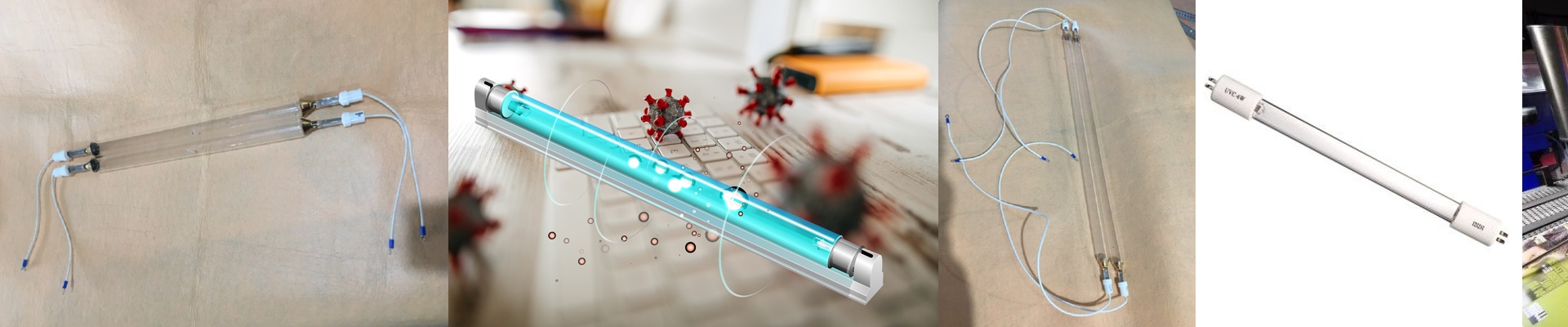
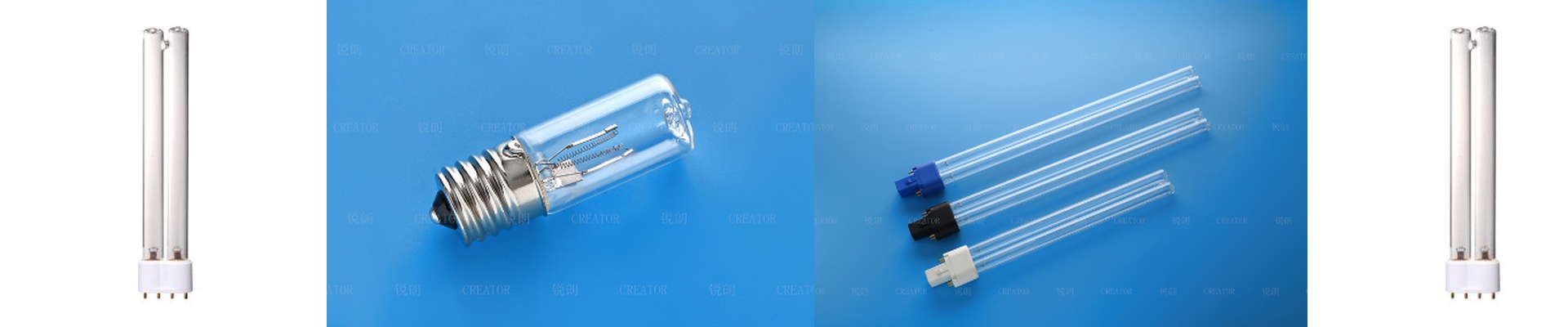
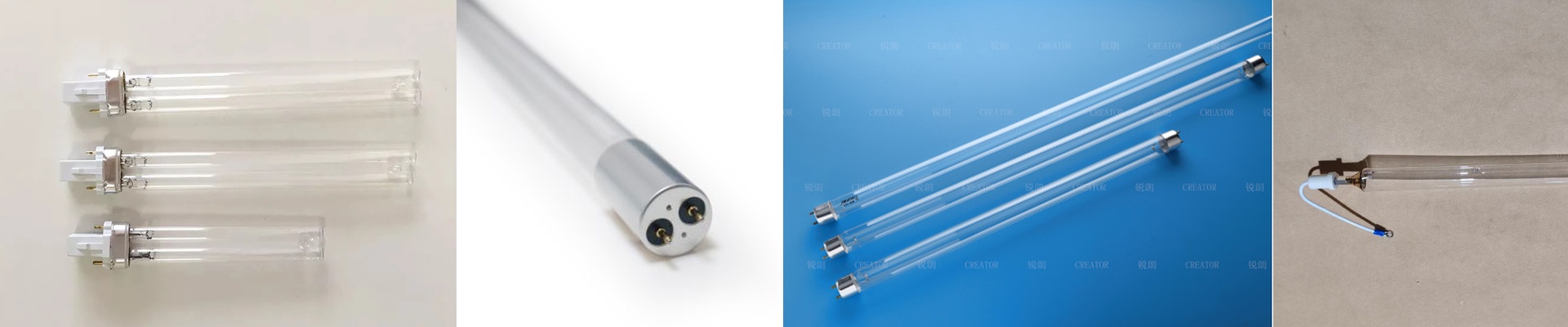
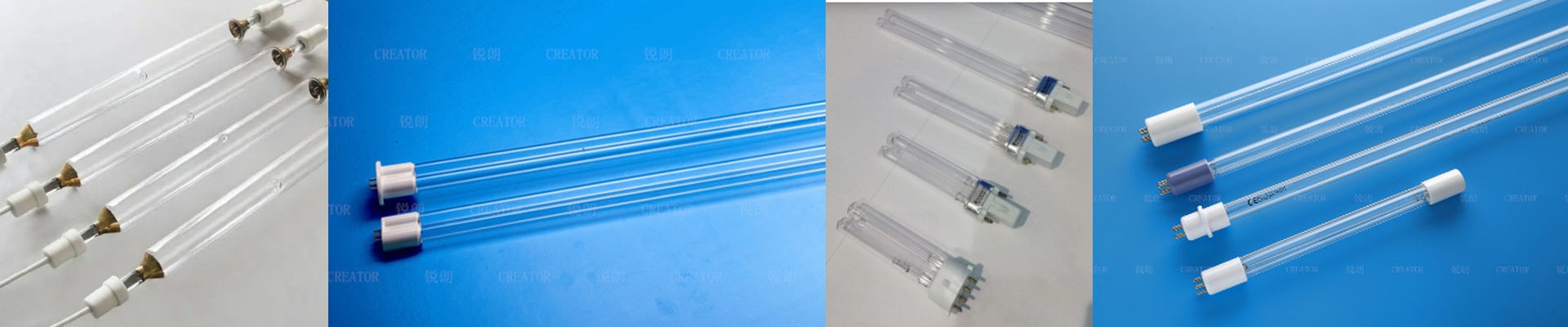
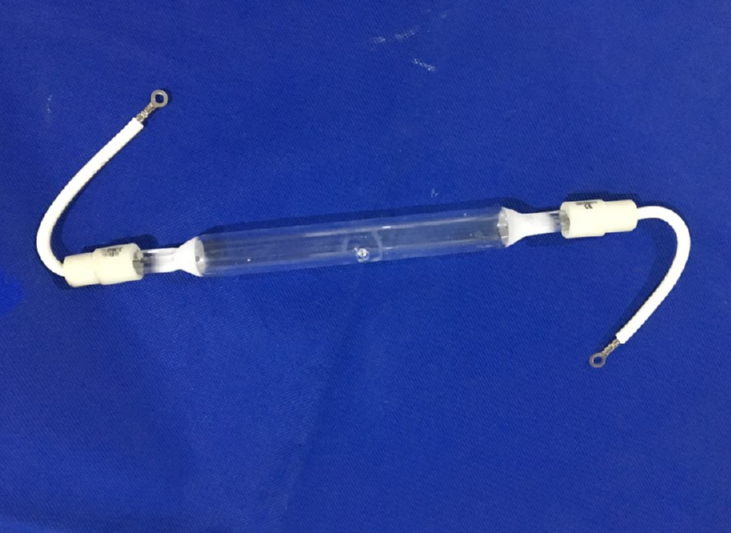
On a banknote inspection line, the UV lamp isn’t just another part. It’s the gatekeeper for authenticity. The 365nm signature needs to be repeatable, shift after shift, day after day. But when the incoming voltage dips and surges under load, the lamp arc gets shaky, the spectral output drifts, and the verification algorithm starts throwing exceptions. Counterfeit risk goes up. Reject rates climb. Operators end up chasing false positives instead of running a clean, high-throughput inspection. Voltage instability rarely shows up as a single catastrophic failure. It shows up as drift: lower peak irradiance, longer warm-ups, inconsistent fluorescence from the same banknote ink, and more borderline calls that force manual re-checks. In currency verification, “almost stable” isn’t good enough. You need output that holds steady in the face of real plant power conditions.
What actually matters: wavelength, irradiance, and stability under disturbance
Currency verification hinges on a narrow, repeatable UV excitation band. We build the lamp around 365nm, using a low-pressure mercury vapor source with tight spectral control. That wavelength hits specific security inks and fluorescent fibers while keeping background fluorescence from masking the signal. Performance comes down to measurable specs:
- Wavelength: 365nm dominant, with controlled output so verification stays repeatable as the lamp ages.
- Peak irradiance: calibrated so the sensor sees a steady photon flux, not a dimmed signal that forces the system to re-learn thresholds.
- Power density: matched to the inspection window—enough energy for fast, reliable excitation without excess heat that drifts optics and sensors.
- Warm-up behavior: stable output within minutes, even after restarts, so shift start-up doesn’t create a quality gap. The most overlooked variable isn’t the lamp itself—it’s what happens when line voltage changes. Without compensation, voltage sag knocks the arc off its feet, drops irradiance, and nudges the spectral profile enough to move the verification decision boundary. We handle it at the lamp drive stage. The system actively regulates lamp power despite line variation, keeping the arc in its designed electrical window. This isn’t a “surge protector” approach; it’s closed-loop control. The payoff is stable spectral output, even when the plant supply is rough.
Why this matters on a currency line: performance under real power
Currency verification runs at a hard tempo. Notes keep moving, sensors take readings in milliseconds, and the decision logic depends on a consistent UV stimulus. If lamp output drifts, the same ink can look different from one hour to the next. With our compensated UV lamp system, verification behavior stays repeatable because the 365nm output stays within calibration tolerance when line voltage fluctuates. In practice, that means:
- Fewer borderline rejects: less slowing down and re-checking.
- Consistent fluorescence response: the sensor sees the same excitation level, so thresholds stay valid over time.
- Less re-calibration: you’re not constantly re-tuning after voltage events. We’ve run this in facilities with serious voltage swings—machinery cycling on and off, long cable runs, uneven load distribution—and the lamp holds steady. Units run 5,000+ hours with output drift kept within tight limits, because the compensation keeps the arc from wandering when line conditions change. That stability also helps throughput. When warm-up is predictable and irradiance is steady from the start of shift to the end, you don’t need to build in conservative speed margins just to “protect quality.” You can run the line the way it was designed.
What you need to know: installation, compatibility, and real-world constraints
This lamp is built for currency verification, but it still needs the right integration. Electrical integration: The compensation assumes a properly sized, grounded supply. Extreme undervoltage or frequent transients beyond the design margins can still bite. Match the input spec, and keep the wiring short and clean. Reflector and optics alignment: Peak irradiance only matters if the beam profile hits the inspection window exactly. Reflector alignment, lamp positioning, and fixture cleanliness directly shape the signal. Treat the optical path as part of the system, not an afterthought. Ozone and ventilation: Low-pressure mercury lamps can generate ozone if the envelope and coatings aren’t managed. We use ozone-free construction to reduce ventilation load, but you still need adequate airflow around the lamp to manage heat and protect nearby components. End-of-life behavior: Even with compensation, lamp output declines over time. Plan replacements around irradiance budgets, not calendar dates. Track output with a radiometer, and swap the lamp when it hits the limit that keeps verification repeatable. If your plant has unstable line voltage and your currency verification is fighting drift, chasing “better lamps” isn’t the answer. The fix is to enforce stable lamp operating conditions. Our voltage-compensated 365nm UV lamp keeps the spectral output where it needs to be, even when the power supply won’t.