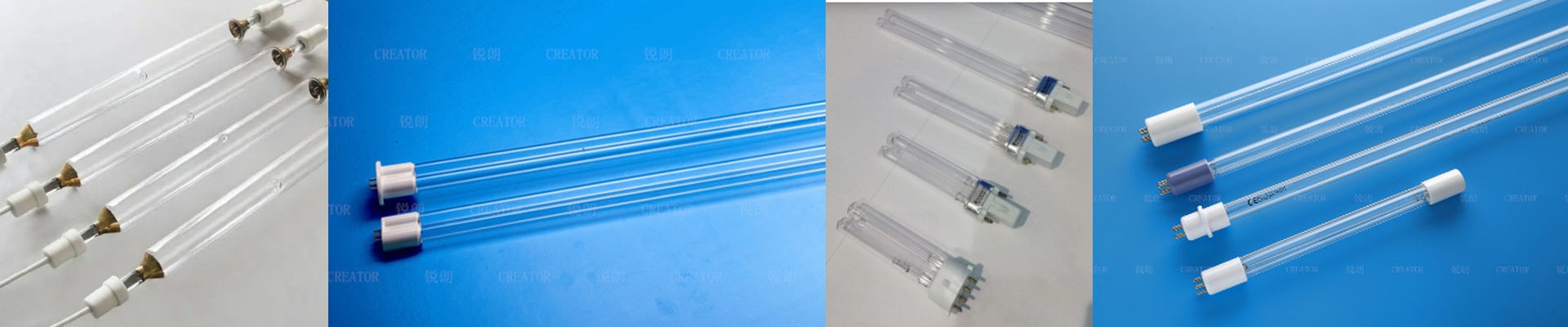
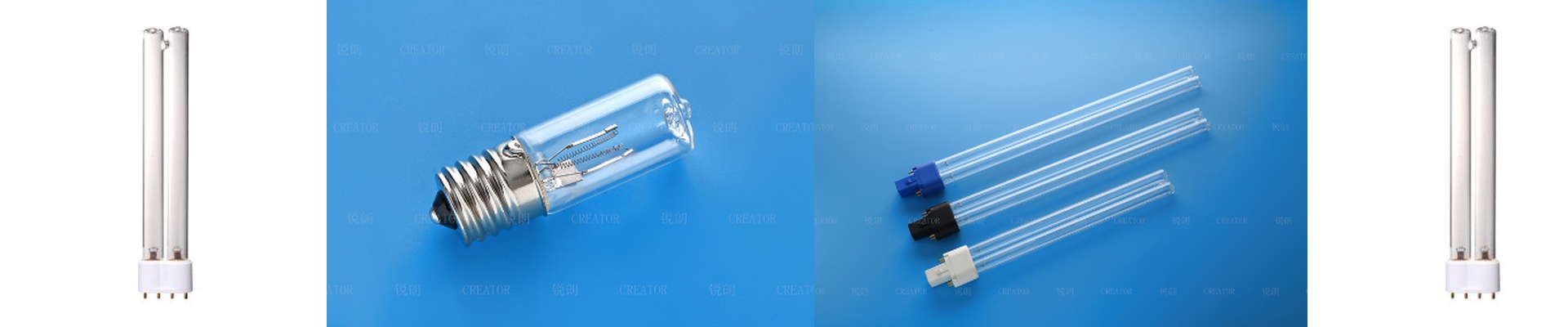
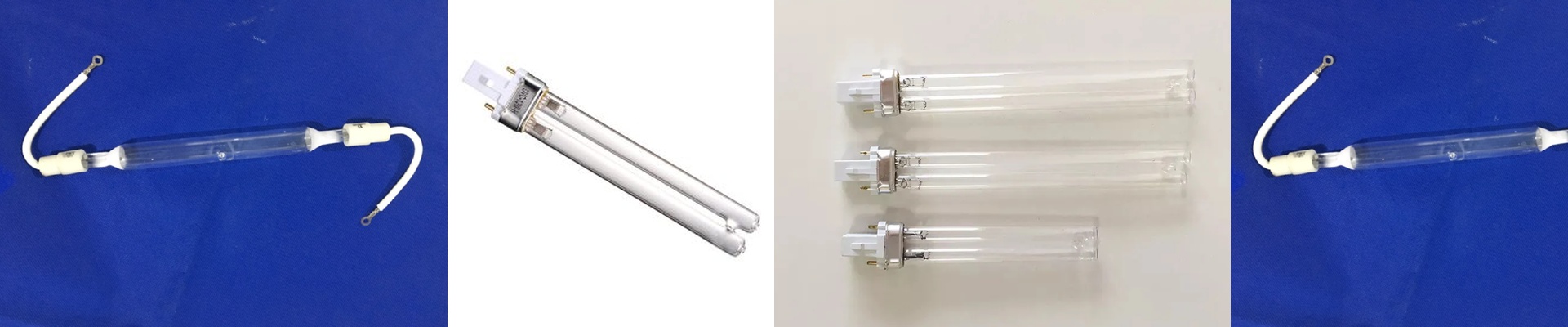
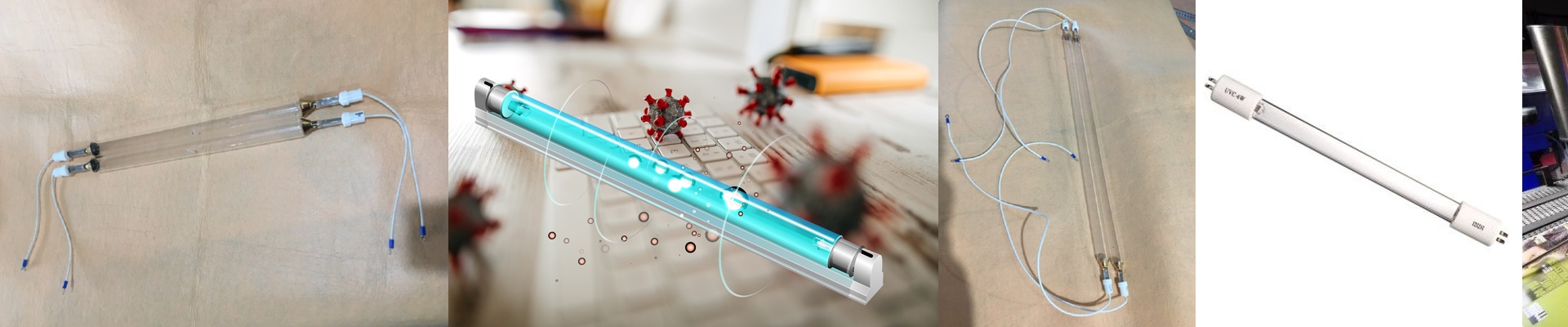
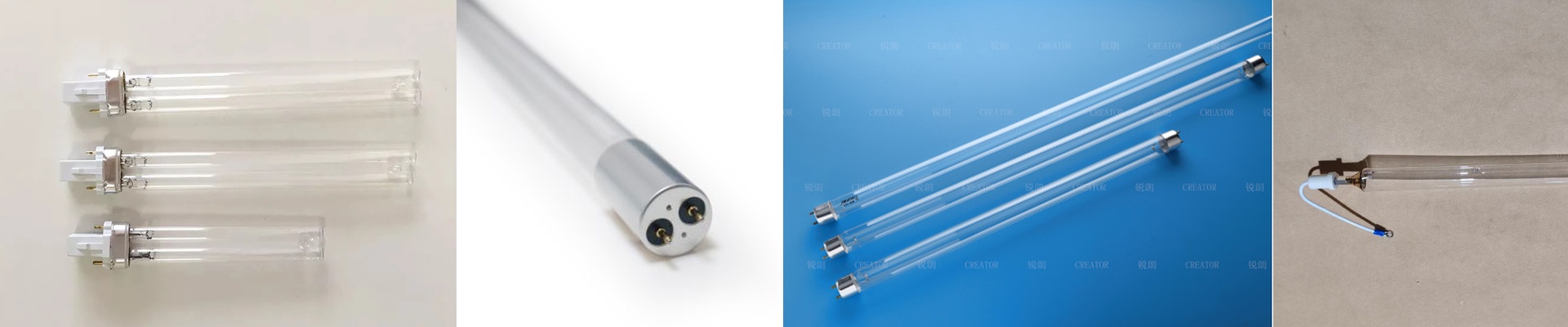
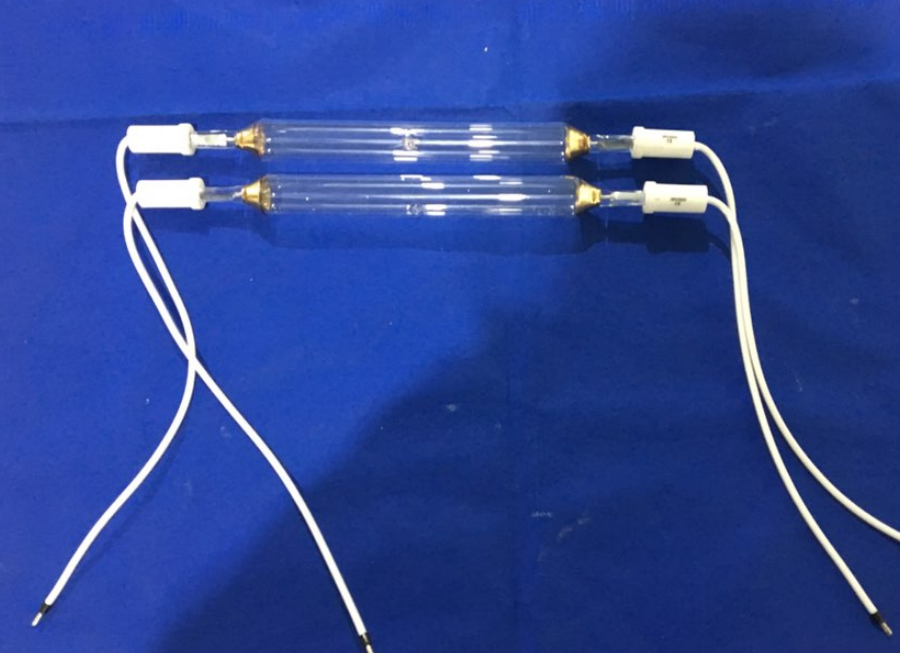
On the press floor, incomplete cure isn’t just a defect. It’s scrap, rework, and downtime you can’t afford. The real question isn’t whether the lamp gets hot—it’s whether it delivers consistent, measurable photon energy at the right wavelength to fully activate the photoinitiator. We build mercury vapor lamps for UV ink drying around spectral control, not just bulk heat. What matters under the hood We lean on controlled arc discharge physics, shaping the spectral output where most UV inks absorb. The 365 nm and 395 nm bands do the heavy lifting, and we manage the secondary lines to keep unnecessary heat out of the game. Peak irradiance is tuned to hit the energy density (mJ/cm²) you need across the substrate, so cross-linking goes all the way through the ink—no skinning, no drama. Reflectors use dichroic coatings to push more photon flux onto the target and cut waste heat. Output stays stable across lamp life, with field data showing under 5% drop after 5,000 hours when you keep power and cooling within spec. Why this plays in real plants On high-speed offset, flexo, and screen lines, cure speed comes down to lamp output and dwell—no guesswork. With a stable spectral profile and predictable irradiance, you can push press speed without chasing tails on incomplete cure, reduce off-spec color from under-cure, and sidestep solvent-borne headaches by locking the reaction in a single pass. Energy use drops because we deliver photons, not broad-spectrum heat, and fewer lamp changes mean fewer maintenance interruptions. Field-proven details that keep you out of trouble Mercury lamp output is sensitive to junction temperature and reflector alignment. Keep the rated airflow and keep reflectors clean, and you’ll hit the published performance curve. Match the lamphouse specs—voltage, connector, and ignition method—because mismatches rob starting irradiance and shorten lamp life. In ozone-sensitive areas, spec ozone-free quartz envelopes and verify ventilation to keep everything within operating limits.