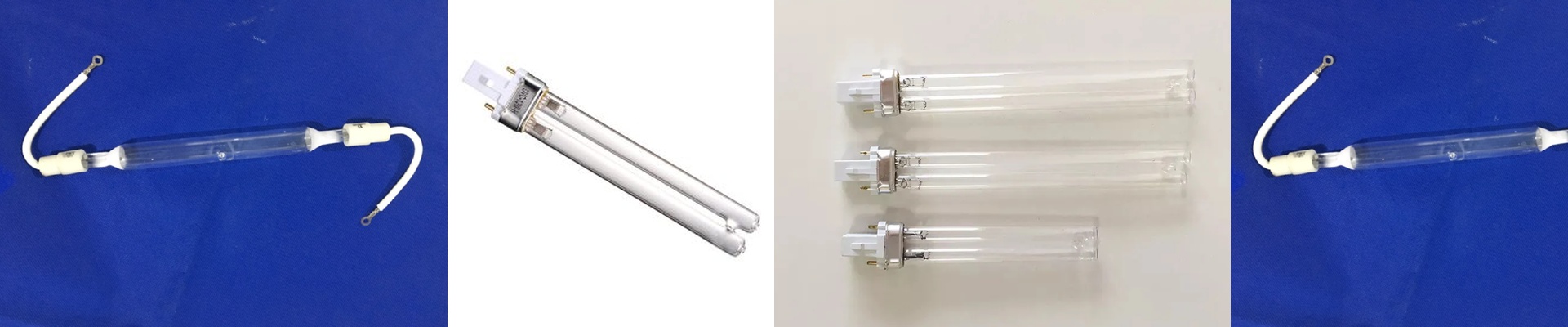
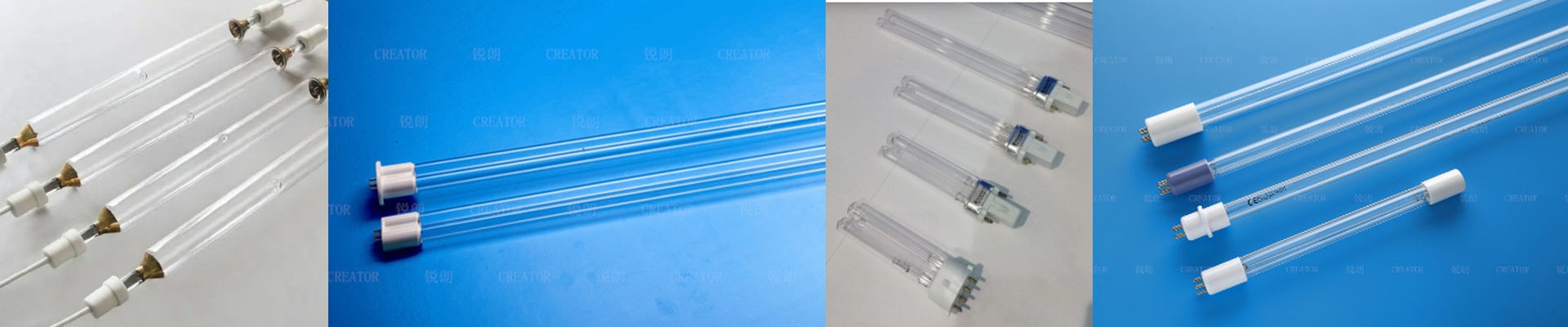
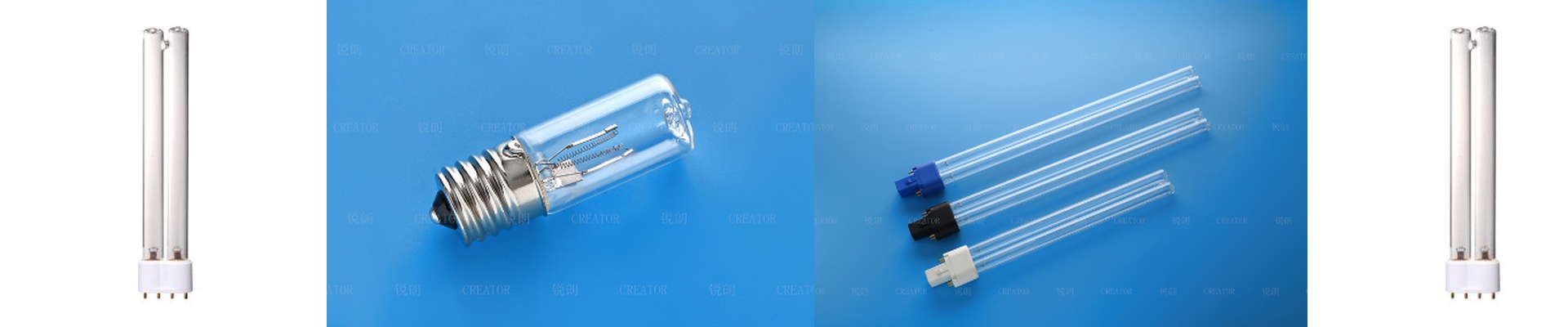
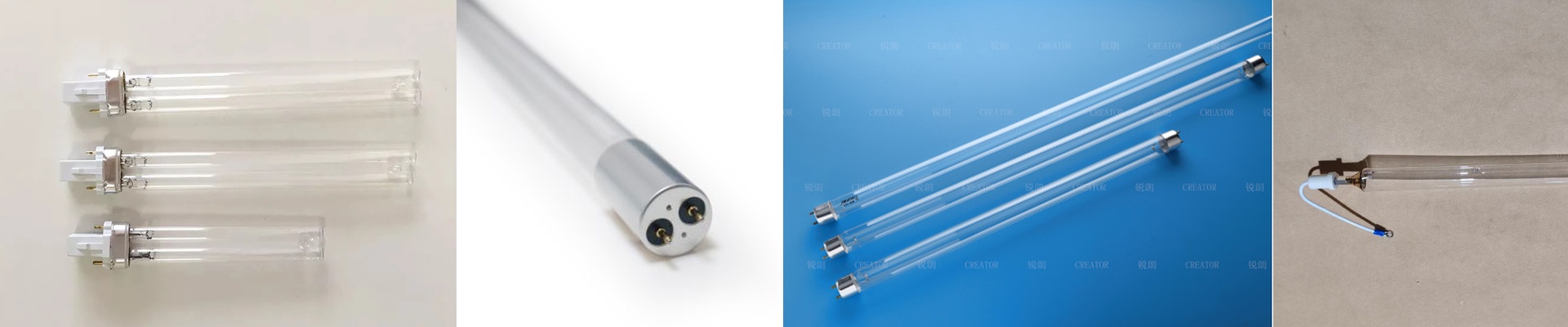
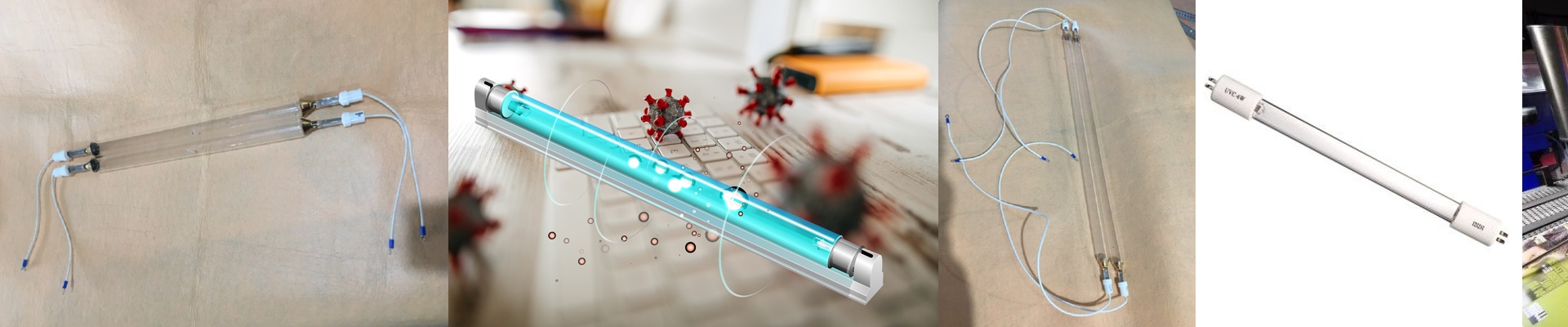
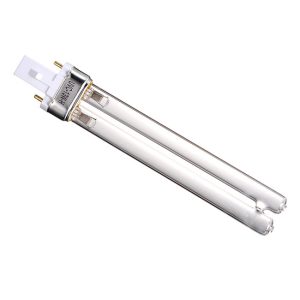
On the floor, a lamp that doesn’t match the press doesn’t just throttle the line. It throws off cure depth, and rejects start piling up. We built our Fusion replacement lamps for that reality, where spectral control is measured and documented—not guessed at.
What actually matters, technically
We spec the Fusion platform with a high-pressure mercury vapor lamp that holds a stable arc gap and runs behind a dichroic-coated reflector to shape the spectrum. The output leans hard on the 365 nm line for deep ink penetration, with controlled 313 nm and 385 nm shoulders to pull photoinitiators in hybrid formulations. You get peak irradiance right at the lamp face, and repeatable energy density at the substrate. These aren’t marketing bullet points—they’re the line between a surface skin and full cross-linking.
Why it holds up in real production
On Fusion-driven UV offset, flexo, and screen lines, the lamp has to deliver consistent output across the full width while you run at production speeds. Our replacement unit keeps spectral stability over its life, so cure stays predictable on coated and uncoated stocks without chasing lamp power or backing off the press. That means fewer web breaks, lower energy draw with no VOCs, and fewer unplanned lamp changeouts.
The practical details you can’t skip
Installation comes down to getting the fixture alignment right and terminating connectors to the Fusion interface spec. At every service interval, check the quartz sleeve for cleanliness and the reflector for reflectivity—any film build scatters output and skews the spectral curve. Make sure your ink chemistry’s photoinitiator window lines up with the lamp’s dominant wavelengths, and lock in your process window with a spectral radiometer baseline.