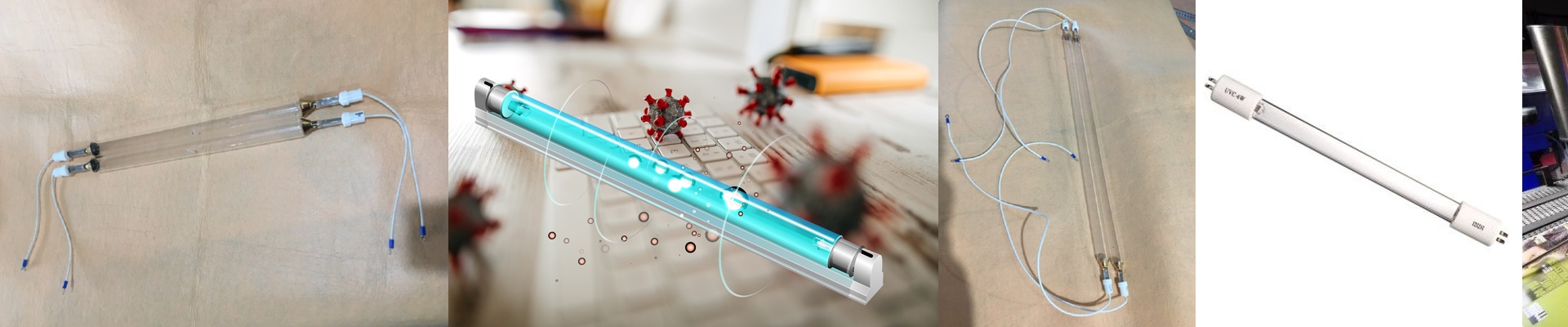
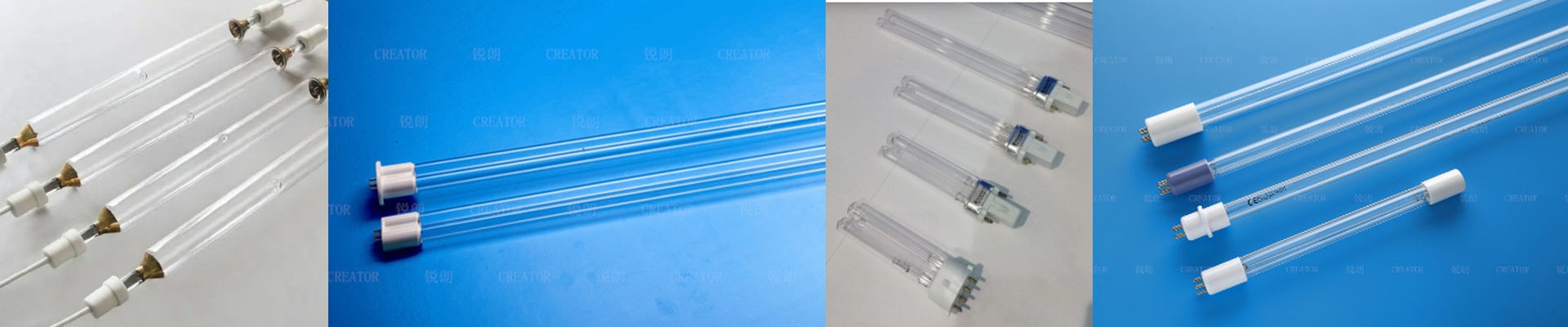
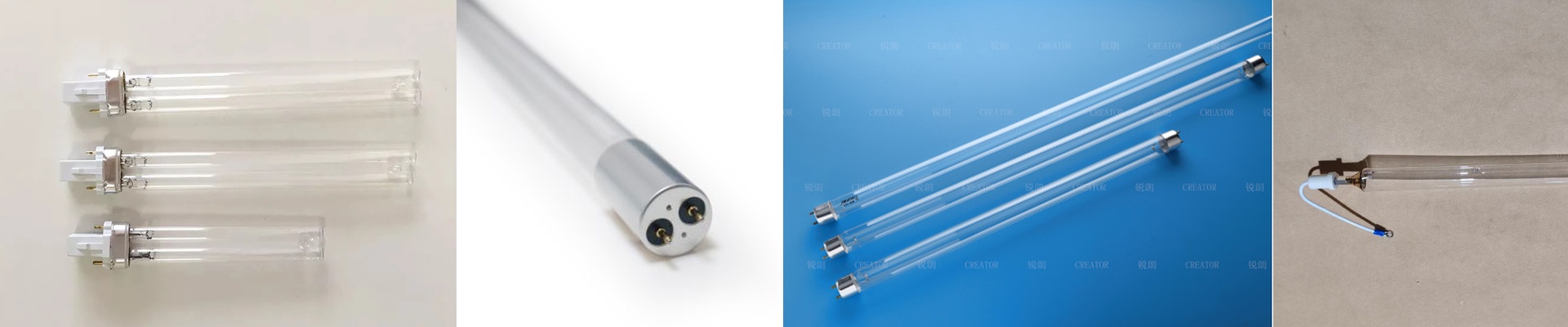
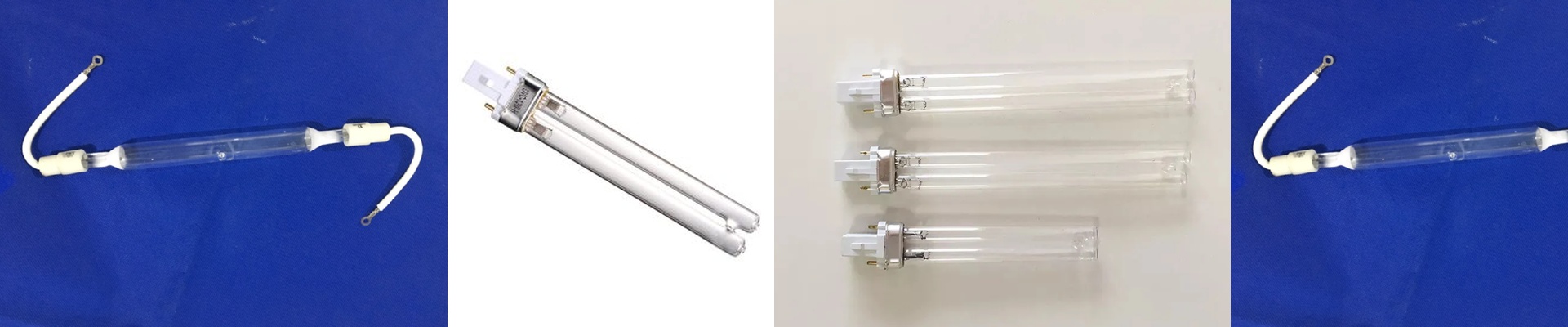
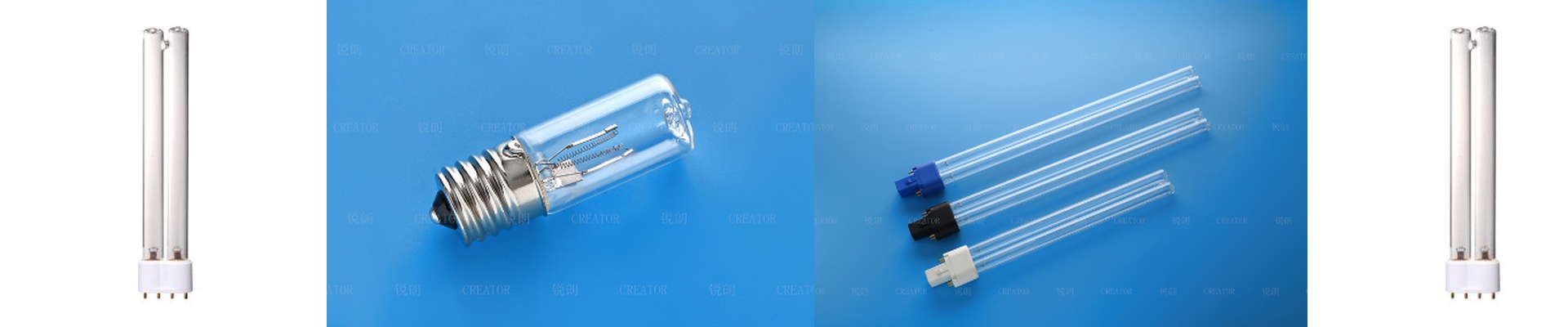
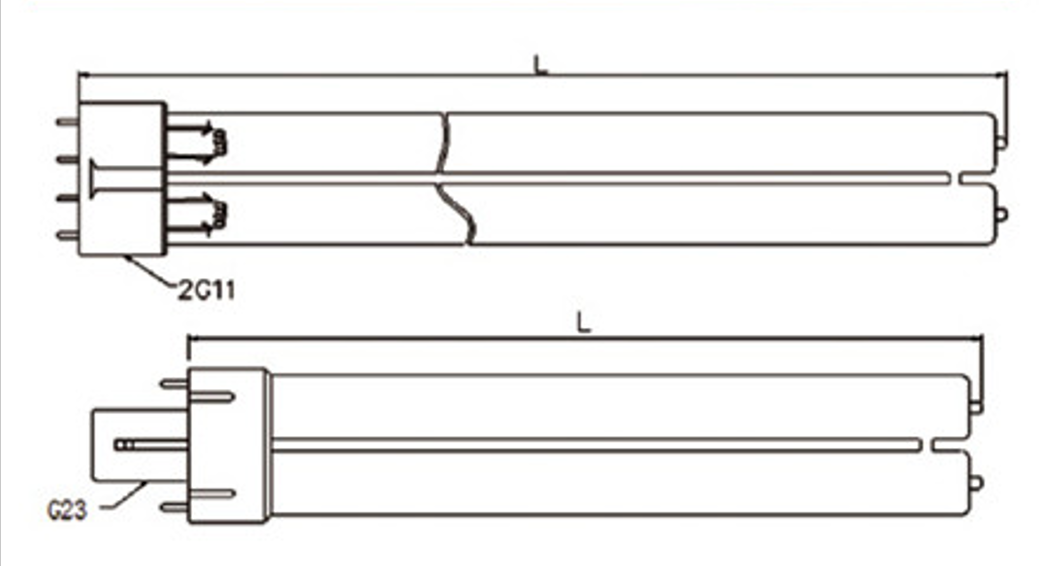
On a press floor where makeready is measured in minutes and the schedule is always breathing down your neck, the wrong UV lamp doesn’t just slow curing. It creates scrap, triggers rework, and leaves machines sitting idle. We build our UV lamps for one practical goal: keep presses running at high周转, without inventory tying up cash. That means stable spectral output, predictable lamp life, and replacements you can get fast—because downtime is the one cost you can’t afford. What actually matters under the hood UV curing comes down to matching the photoinitiator absorption to the lamp’s spectral output. Our mercury vapor lamps deliver defined output at 365nm and 420nm, with tight control of peak irradiance across the arc length. The 365nm line drives deep cross-linking—exactly what you need for thicker ink films and pigmented systems. The 420nm output supports surface cure and helps control oxygen inhibition when you need to manage surface tack without over-peaking. Reflectors use dichroic coatings to shape the spectrum and keep dose uniformity consistent across the web or plate. And ozone-free operation keeps the curing zone cleaner, which translates into less maintenance downtime. Why this setup earns its keep—by press type In offset, the ink film is thin and the cure has to be immediate without cooking the substrate. 365nm gives you the photon density required for rapid cross-linking, so you can run fast without set-off. In flexo, the real challenge is consistent cure across different ink weights and colors. Dual-wavelength coverage improves cure margin, so darker jobs don’t force you to back the press down. In screen, you’re laying down a thicker deposit, so you need both surface cure and through-cure. 420nm improves surface cure while 365nm ensures full through-cure—cutting down on blocking and making stacking more reliable. Add in our supply planning, and replacement cycles stay fast. No stockouts, no long lead times. Field-level things to keep straight Match the lamp to the cure profile, not just the machine model. Check reflector condition and quartz transmittance. Degraded optics will drop irradiance even if the lamp still strikes. Confirm shutter cycles and make sure the shutter material is compatible—otherwise you’ll end up with premature quartz cracking. Expect output decay after ~800 hours. Schedule lamp swaps by metered dose, not by calendar, so cure stays consistent.