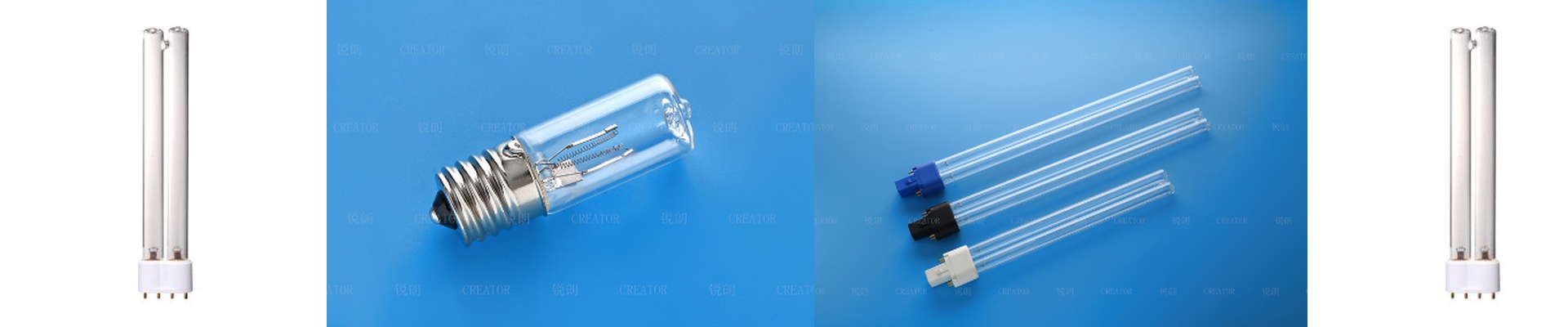
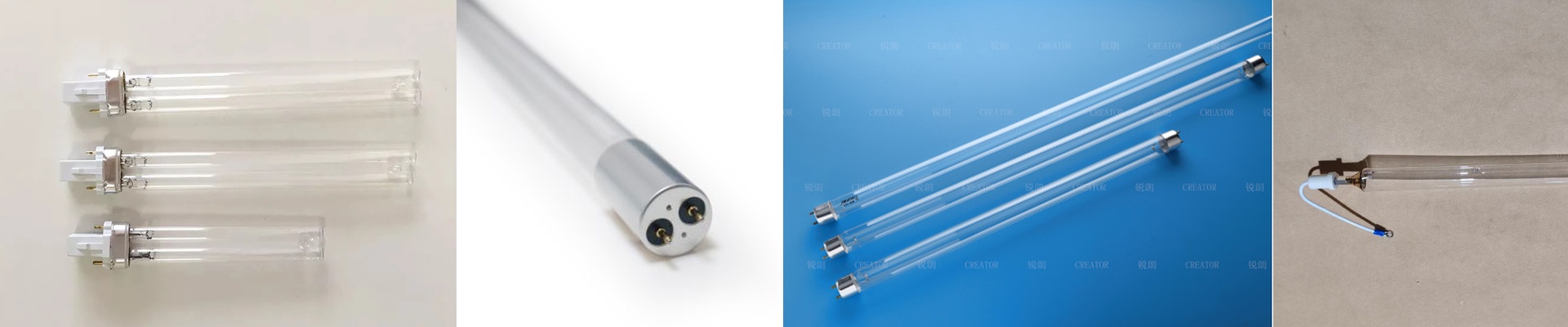
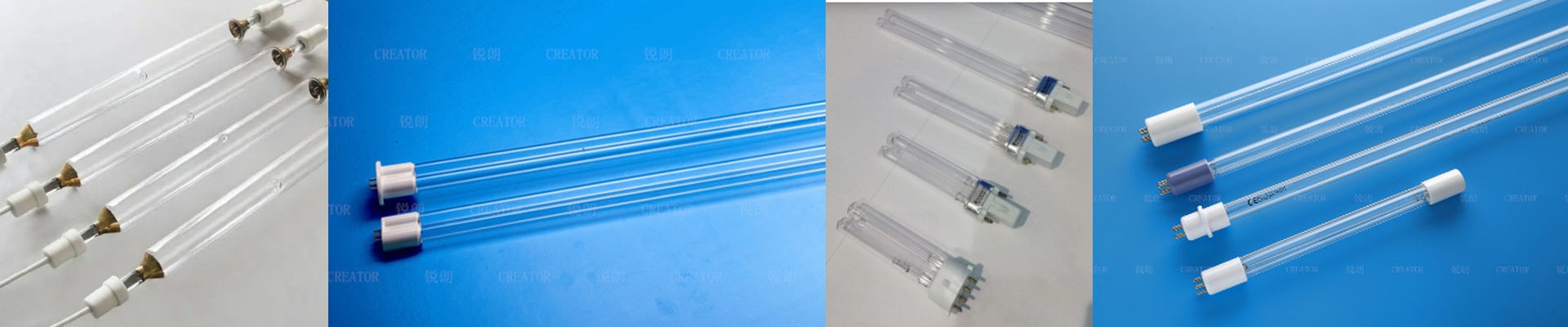
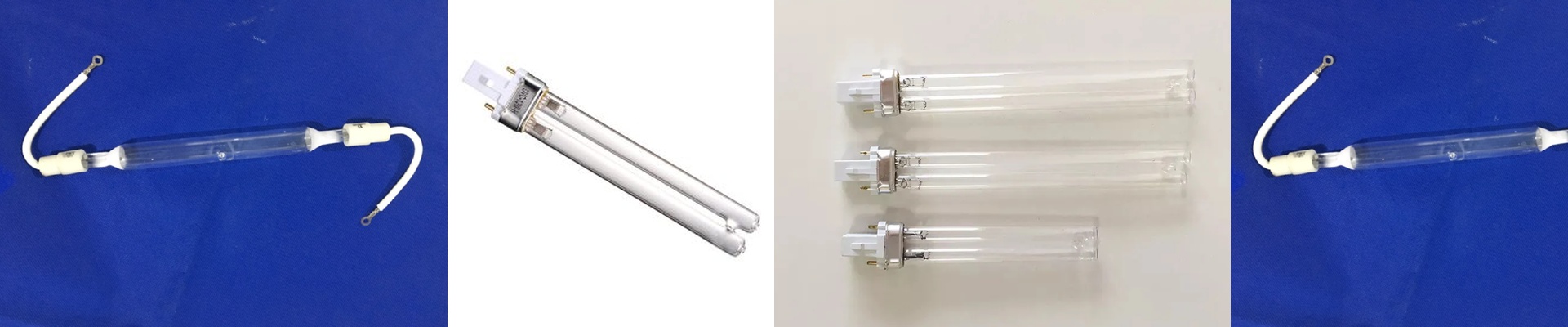
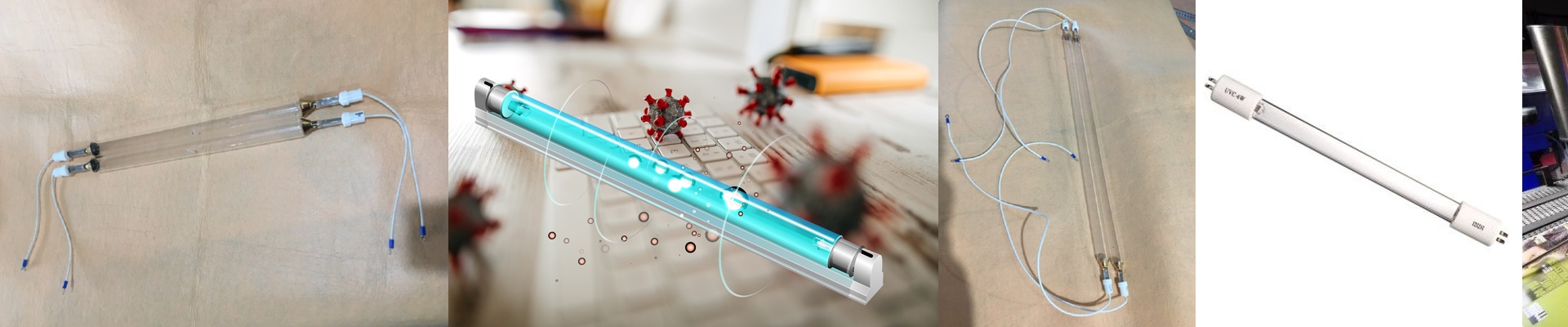
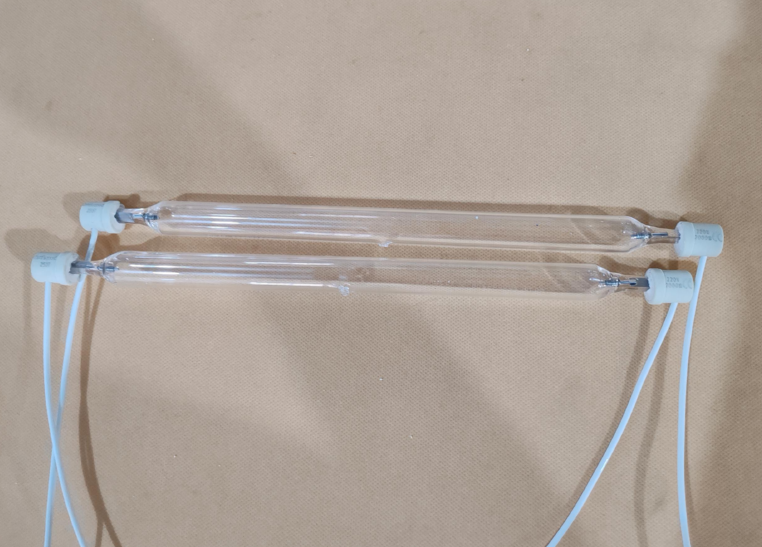
On the credit card line, downtime isn’t a choice—it’s a production killer. When a lamp goes down, you lose curing energy fast, and the card substrate or those overprinted security features just don’t cross-link properly. What you need is a UV lamp that drops in, fires up, and performs—no rewiring, no guesswork, and no compromise on cure depth.
What matters under the hood
Credit card inks and coatings are tuned around specific photoinitiators, so spectral output isn’t negotiable. We run high-pressure mercury vapor lamps with stable peak irradiance at 365 nm for deep through-cure, and enough output across 385–405 nm to finish the surface cure without cooking the PVC/PET core. Reflectors use dichroic coatings to shape the spectrum and keep heat away from the substrate. We measure output at the web: target energy density of 600–800 mJ/cm², with peak irradiance that keeps pace with high line speeds. Lamp life comes from controlled electrode design and quartz envelope stability—we’ve got units that run 5,000+ hours with less than 5% output drop.
Why this setup holds up in real production
Credit card printing hits offset, flexo, and screen, and each process brings different ink films and geometry. Offset needs a sharp, focused cure profile to lock in thin films without oxygen inhibition. Flexo needs uniform coverage across repeat lengths and quick start-up after stops. Screen lays down thicker deposits that demand higher peak irradiance to penetrate and harden. Our lamps are built around those process realities, and the interface is straightforward: full compatibility with spiral-head and plug-in connectors, so replacement is fast and changeover stays minimal. The payoff is stable cure at line speed, consistent adhesion, and fewer rejects.
The details that keep you out of trouble
Matching the lamp to the press is only half the job. Power supply voltage, reflector condition, and ducting for ozone-free operation all have to line up with the lamp’s rated parameters. Expect a brief warm-up ramp before spectral output settles, and put reflector inspection on the preventive schedule—efficiency drops as coatings age. If you switch ink systems or add a security overprint, double-check the photoinitiator absorption against the lamp’s output curve. That step prevents under-cure right at the substrate interface.