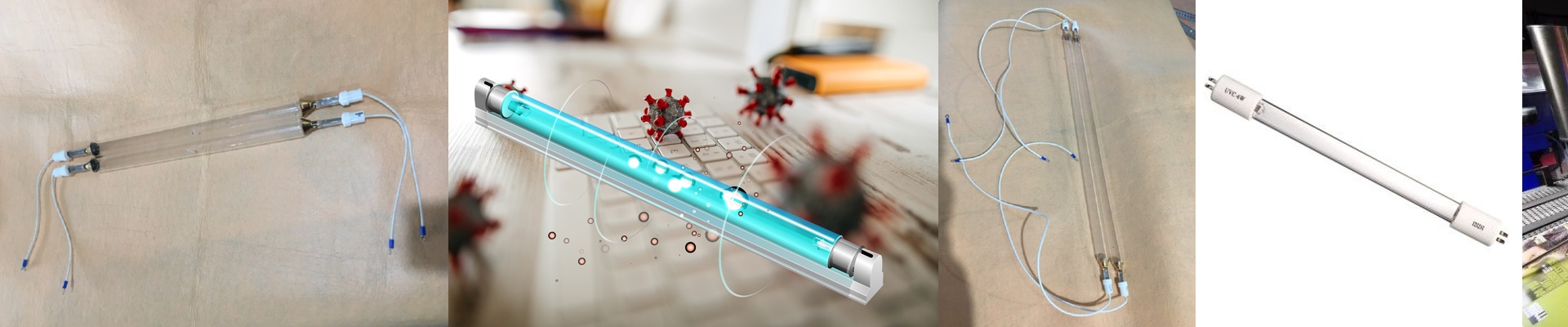
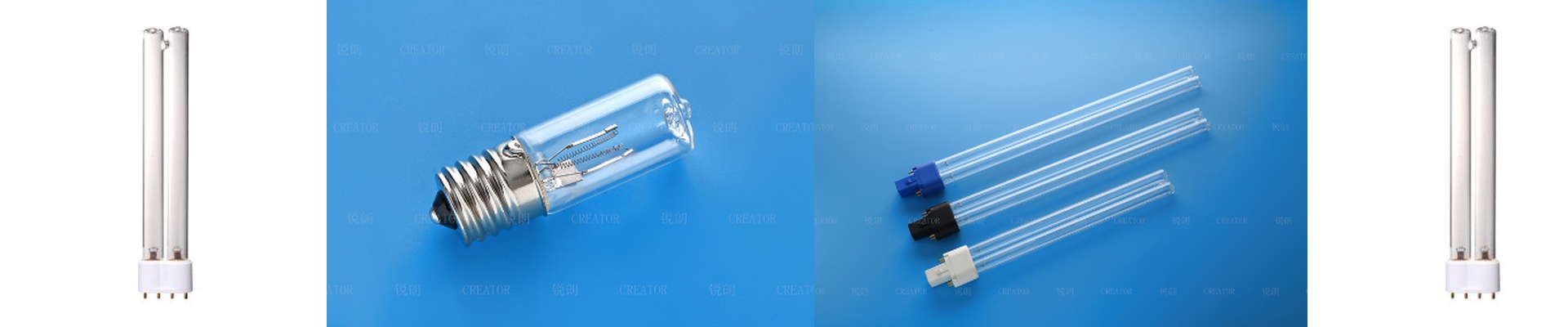
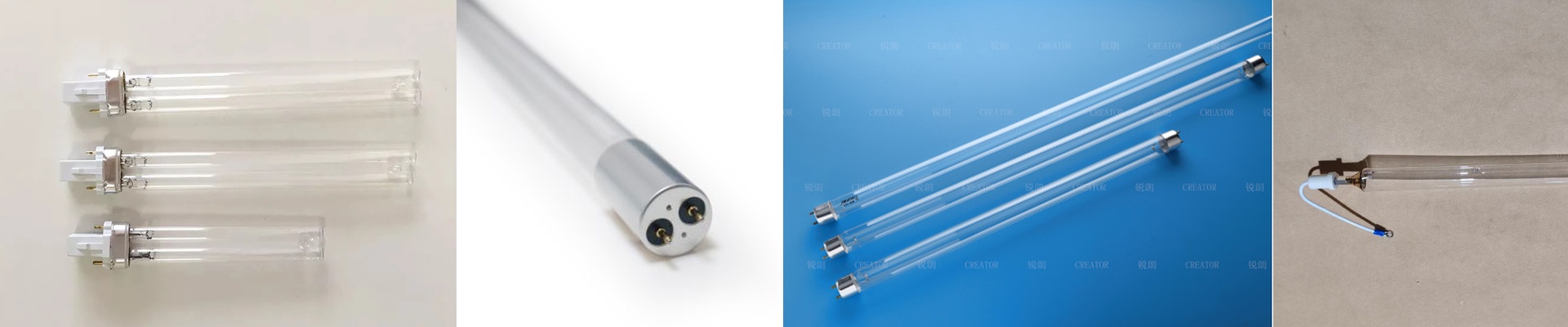
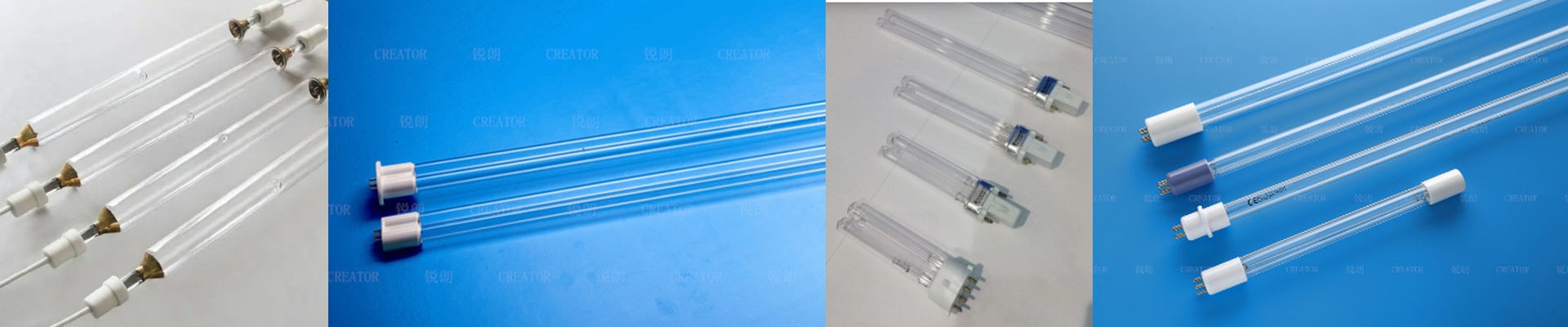
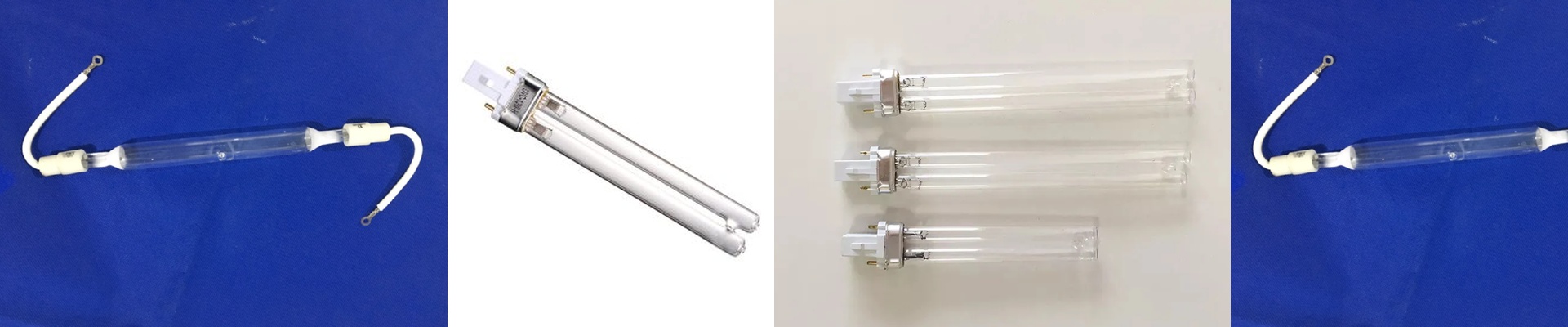
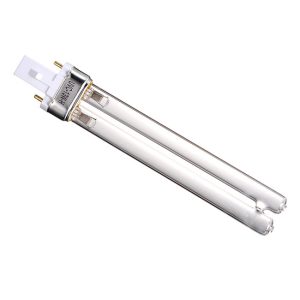
On an export-grade, fully automatic press, the curing module isn’t a “nice-to-have.” It’s the governor on line speed. If the lamp can’t keep up, you lose meters per minute, dot gain starts wandering, and adhesion falls apart on coated stocks. That’s why we spec our CE-certified mercury arc UV lamp as original equipment. The point isn’t “good enough.” It’s repeatability, locked into the machine. What matters under the hood We build around a high-pressure mercury vapor discharge with a stabilized spectral output that puts energy where photoinitiators actually respond. You get strong output at 365 nm for deep through-cure, usable 385–405 nm for surface cure, and a controlled visible tail so thin films don’t cook. Peak irradiance is tuned to exceed 12 W/cm² at the arc center, hitting 600–1,200 mJ/cm² across the web at typical press speeds. The quartz envelope is chosen for high UV transmission and thermal shock resistance. Pair that with the reflector geometry and dichroic coating, and out-of-band IR gets pushed back toward the lamp body instead of onto the substrate. Rated life is 2000–3000 hours, and the measured output decay stays within 8% end-of-life. In other words, your process window doesn’t drift as the lamp ages. Why it behaves on the press As a CE-marked,整机配套 component, the lamp shows up as a complete system: the right arc length, the correct electrical interface, and a mounting envelope that matches the dryer section. That removes two headaches that wreck dose uniformity—lamp positioning and reflector alignment. The payoff is stable curing at 400–800 m/min, a consistent tack-free surface, and cross-linking that holds up through downstream processing. Energy draw is managed without shorting the dose, and the ozone-free design keeps the curing zone compatible with closed-air systems. The details that keep you out of trouble Mercury arc lamps don’t like cold starts and voltage transients. Run them through a matched igniter and ballast, and bake the warm-up time into your job changeover. Output is also geometry-dependent—dose drops fast if the substrate-to-lamp distance creeps even a few millimeters. Treat the lamp-to-web gap as a fixed dimension, and confirm it with a spectral radiometer during install.