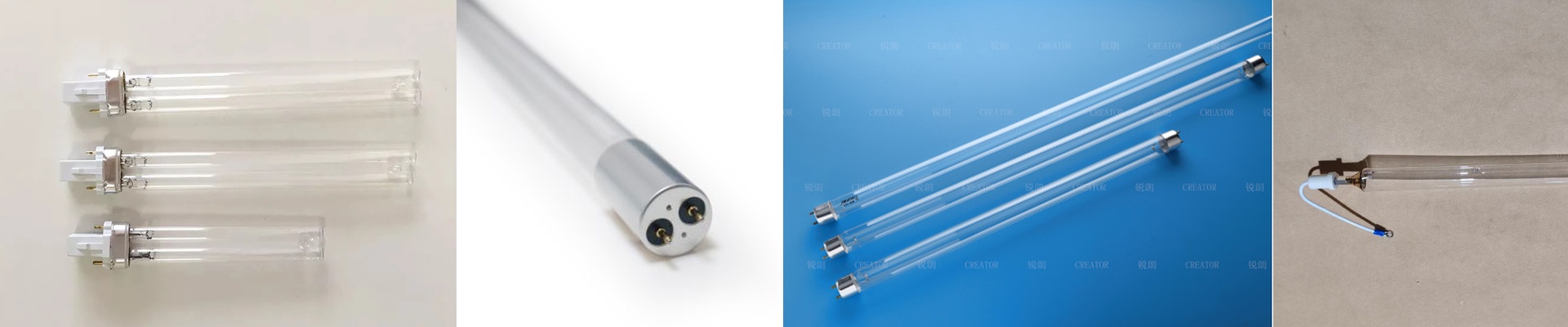
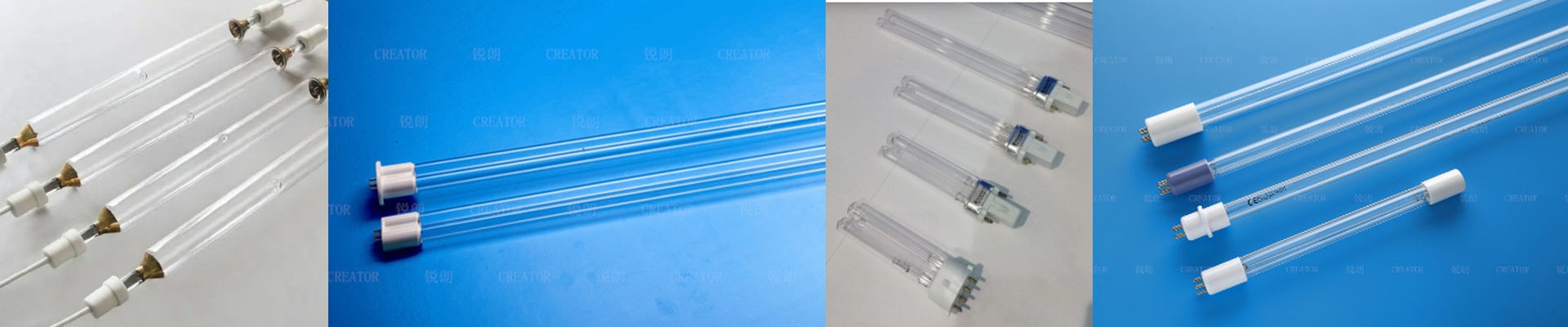
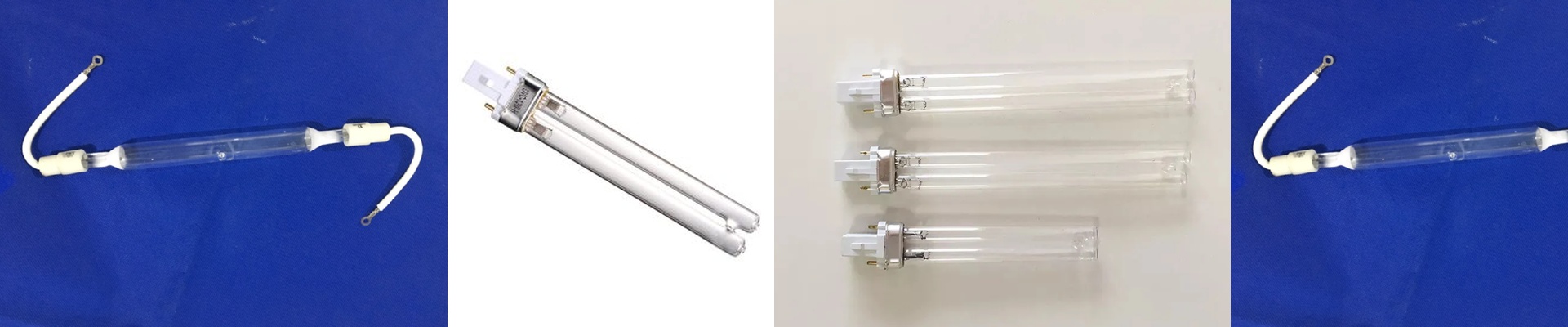
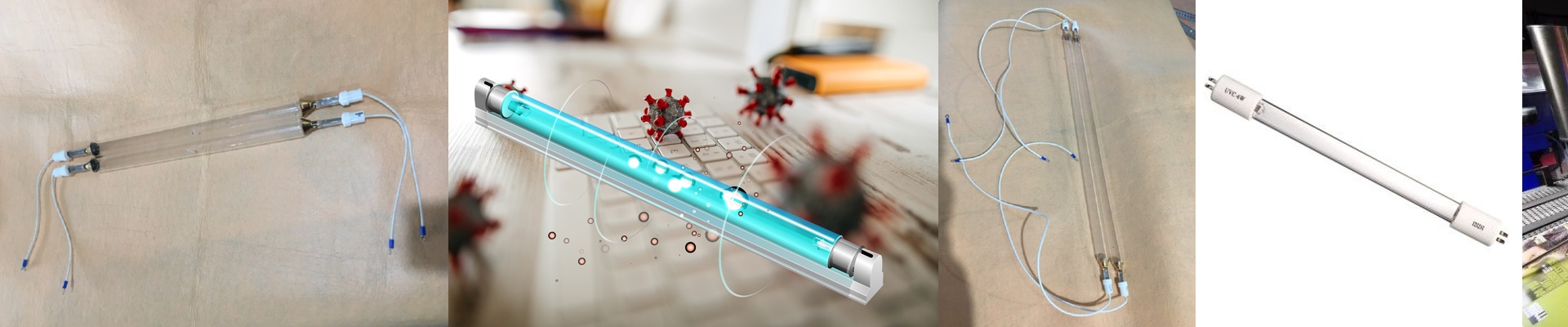
Lab-scale photochemical reactors need more than just UV light—they need spectral discipline. When you’re running controlled, photoinitiated reactions, stray wavelengths become noise that blows up your repeatability. A broad-spectrum source dumps photons all over the map, missing the photoinitiator’s absorption and triggering side reactions. The fix is a custom UV lamp built around one dominant peak: 365nm. What actually matters In UV curing and photochemistry, it’s wavelength matching, not brute power. Hit the 365nm peak and you’re driving the π→π* transition in common photoinitiators, so cross-linking kinetics stay predictable. We hold a narrow spectral bandwidth and a stable output profile, so the photon flux at 365nm dominates the delivered energy density in mJ/cm². Peak irradiance is calibrated to deliver a repeatable dose per pass, and the reflector uses a dichroic coating to kill out-of-band emission. That’s how you turn irradiance into repeatable control. And here’s why it matters in the lab: reproducibility is the whole game. A spectrally clean 365nm source removes the drift from unintended short-wavelength bleed and the drift that comes as lamps age and their output shifts. With a stable spectral signature, you can tie dose directly to conversion rate, cut development cycles, and avoid failed runs. Energy delivery stops being a guess and becomes a set variable. The reactor starts acting like an instrument, not a light box. A couple practical realities: these lamps are fussy about positioning and heat. The reflector alignment has to be repeatable to keep the designed irradiance profile, and the substrate or reactor window needs to handle the heat load that comes with it. Expect finite lamp life and a measurable output decay curve. Plan on periodic spectral checks and dose recalibration to keep your data honest. Treat the system like metrology-grade, and your results will show it.