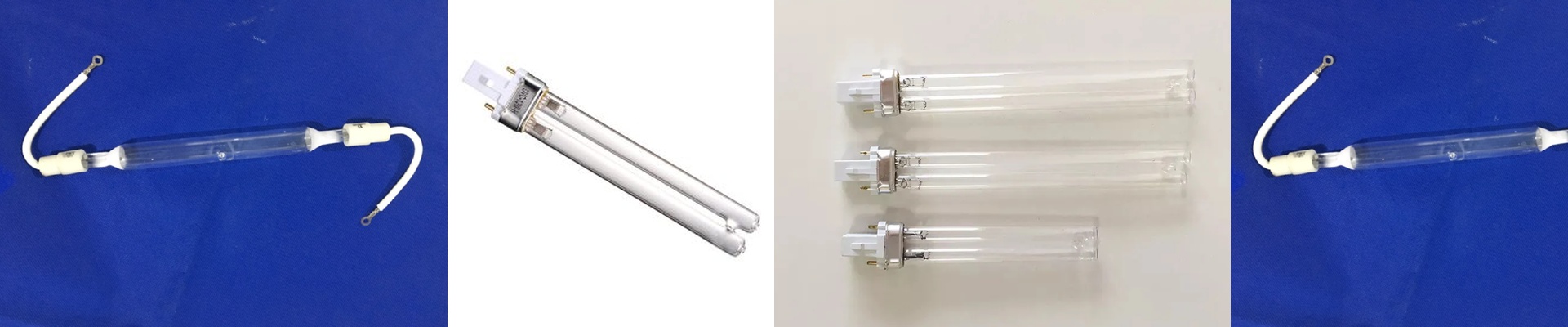
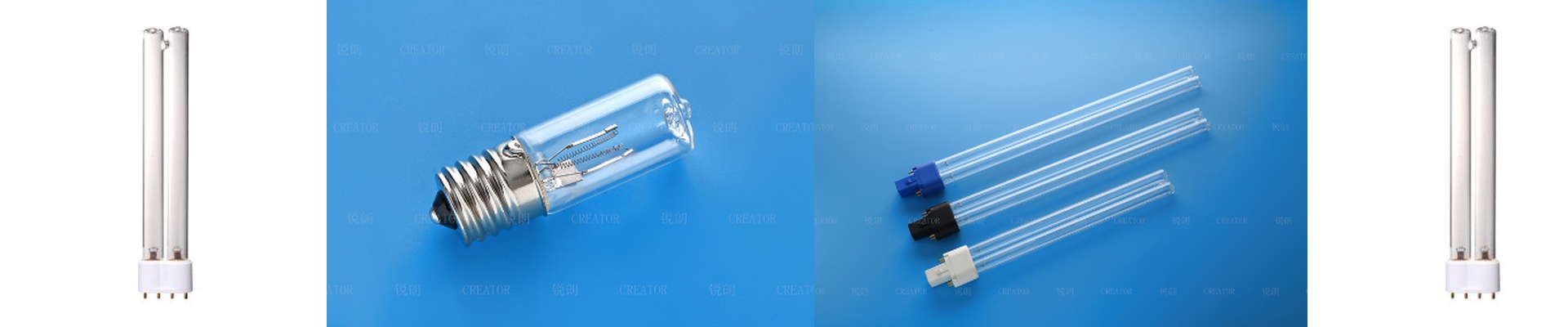
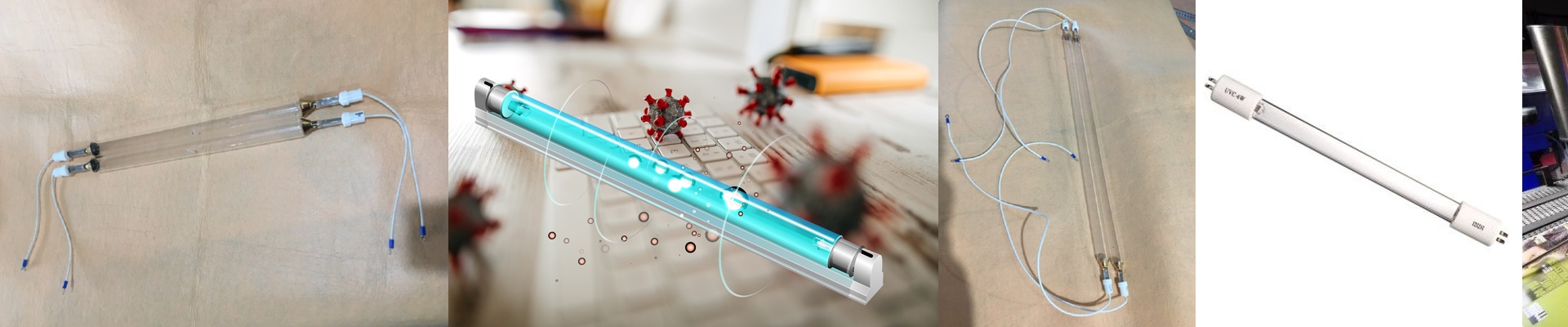
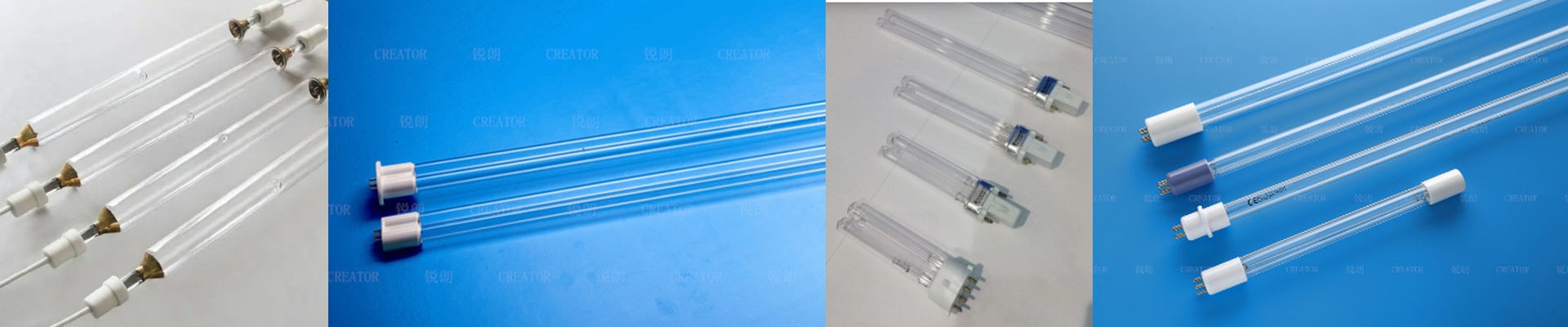
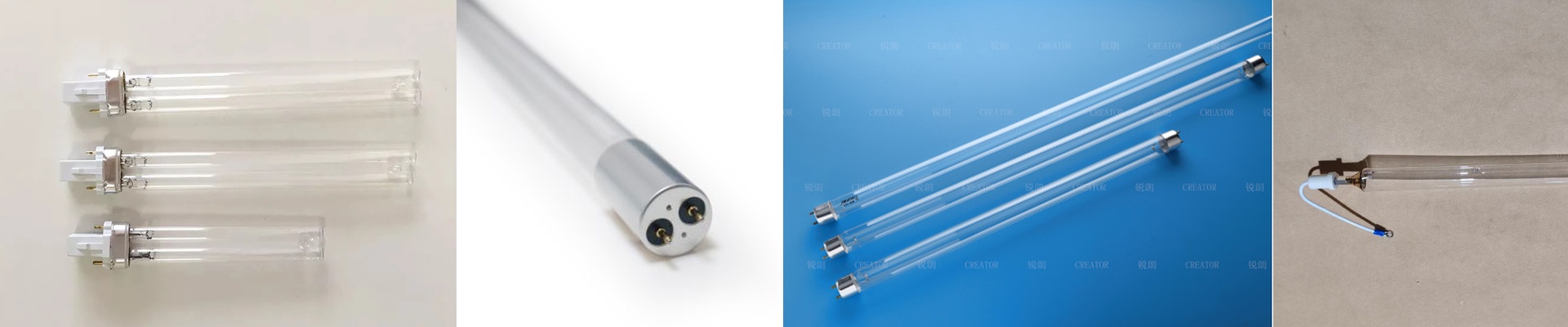
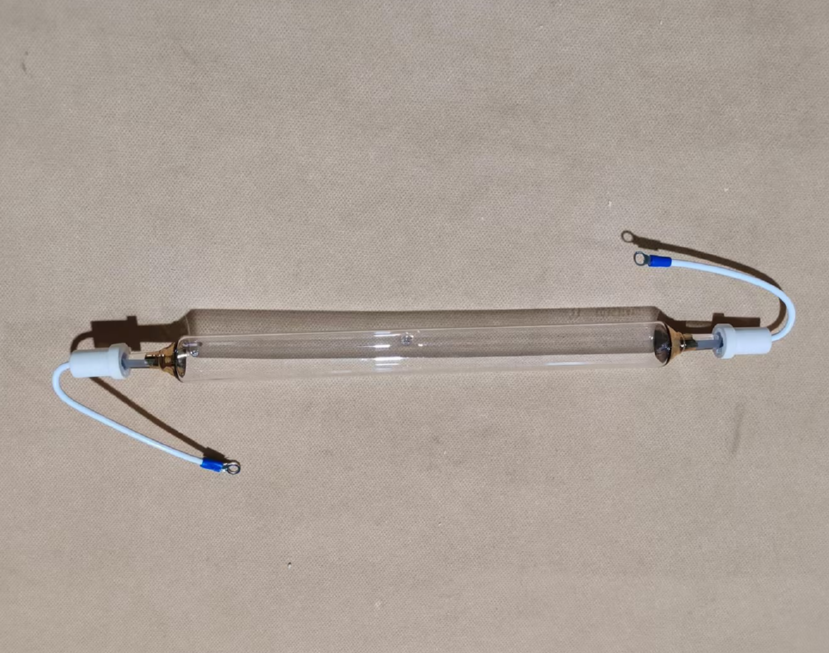
Thick-layer screen printing fails quietly on the shop floor. You get pinholing on the surface and a soft undercure at the base—even when the lamp is lit and the line speed looks fine. The issue is physics, plain and simple: conventional broad-spectrum output can’t punch through dense pigment and thick gel layers to drive cross-linking all the way down. What actually matters technically Thick-layer curing comes down to photon penetration and delivered energy density. We shape the lamp’s spectral output to lean on deep-penetrating wavelengths—365 nm and 385 nm—where the photoinitiators in thick formulations absorb cleanly. Peak irradiance at the substrate plane is tuned above 1.5 W/cm², and the system holds 800–1200 mJ/cm² through thick deposits. A high-reflectance dichroic-coated reflector keeps output concentrated downward, and the quartz window plus ozone-free design keeps the beam stable and clean. Why it works in practice On wide-format thick-paste jobs, you need the bottom to cure first, then lock the surface. Our deep-UV profile reaches the base layer first, kicking off cross-linking before the top skin fully blocks transmission. The payoff is uniform cross-linking from base to surface—no residual tack, no pinholes, no post-cure migration. You get consistent cure at higher line speeds, fewer rejects, and predictable lamp performance over 5,000+ hours with controlled output decay. Here’s the part you already know: deep-UV penetration demands tight optical alignment and correct lamp positioning. Mount the lamp at the exact focal distance your reflector and substrate thickness call for; otherwise, peak irradiance falls off and the base layer undercures. Verify power density with a calibrated radiometer, not by feel. And remember, heavy fillers in thick inks eat UV. Match the lamp spectrum to the photoinitiator package and keep the quartz window free of ink residue so output stays where it needs to be.