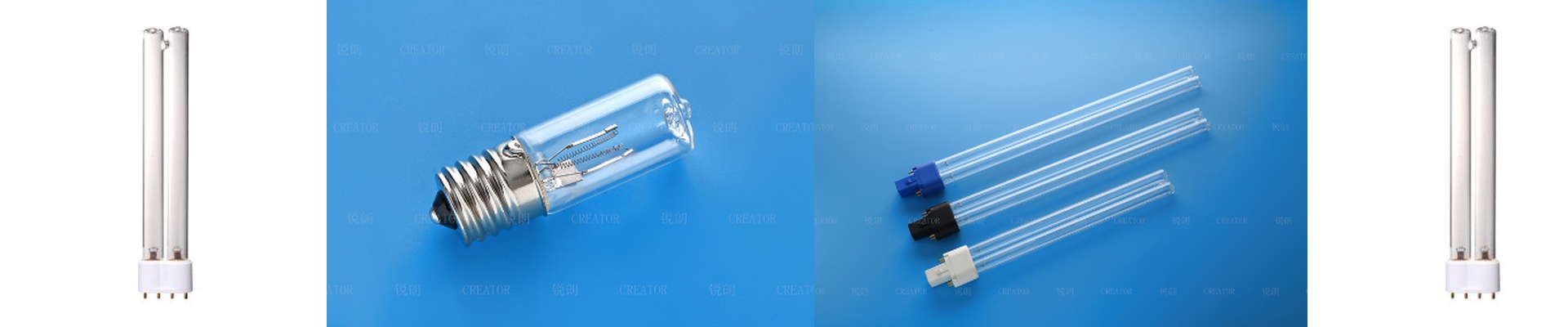
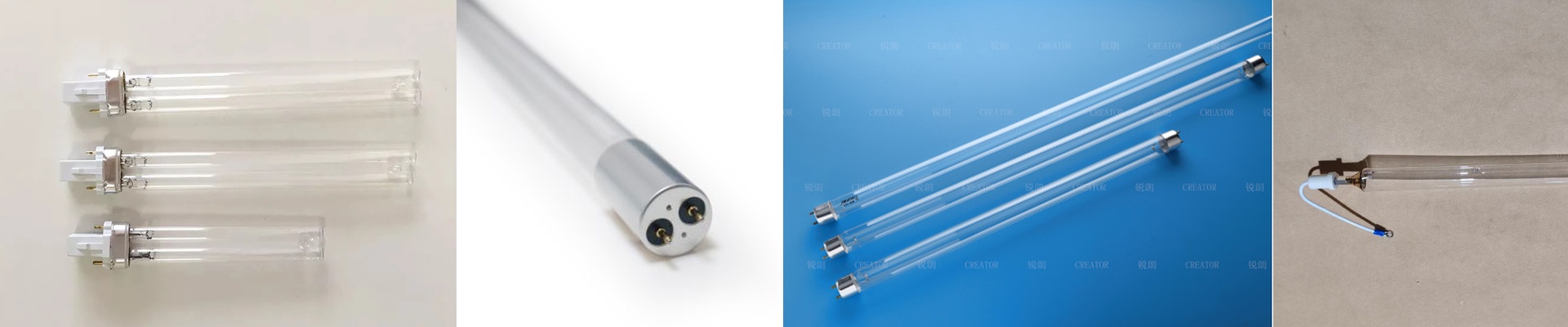
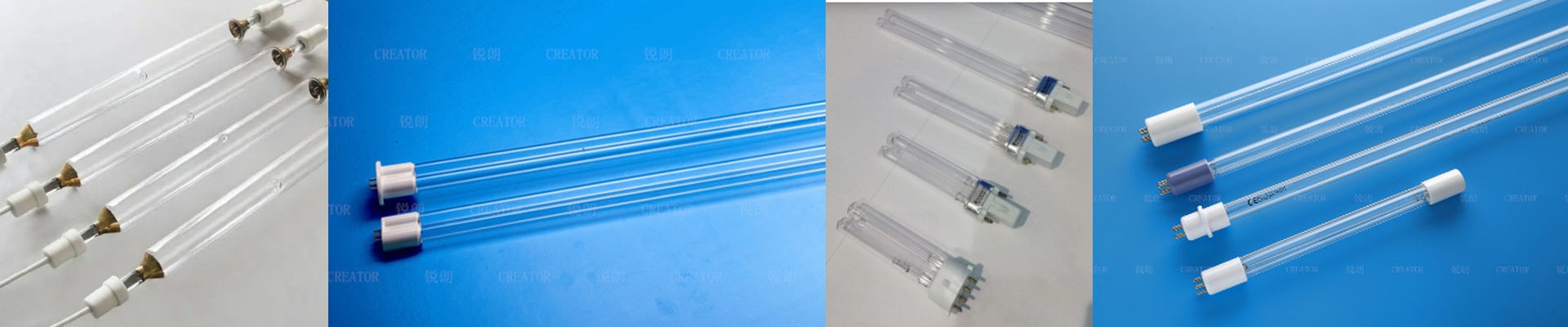
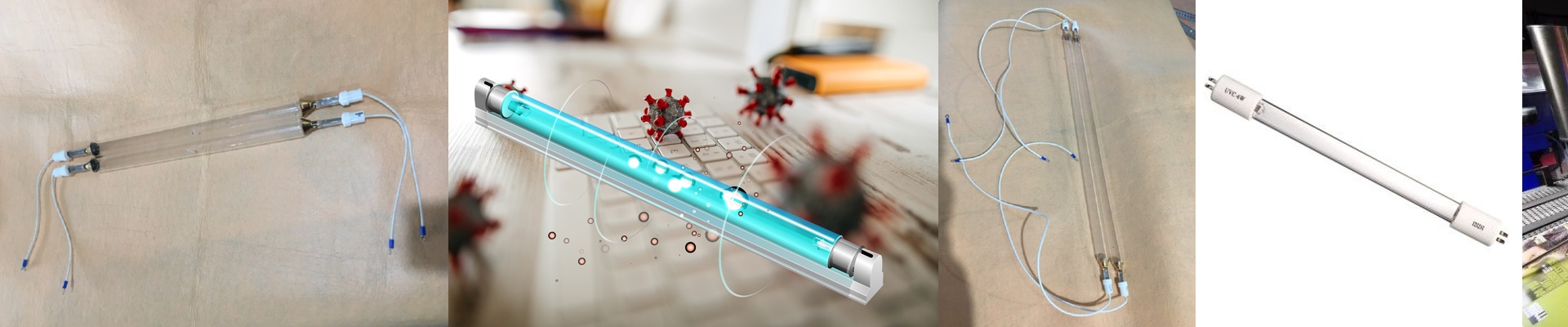
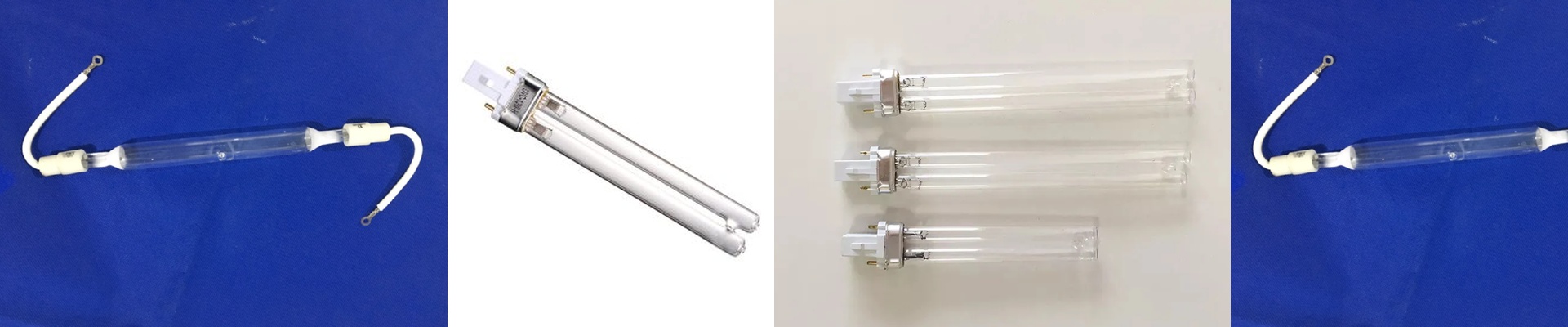
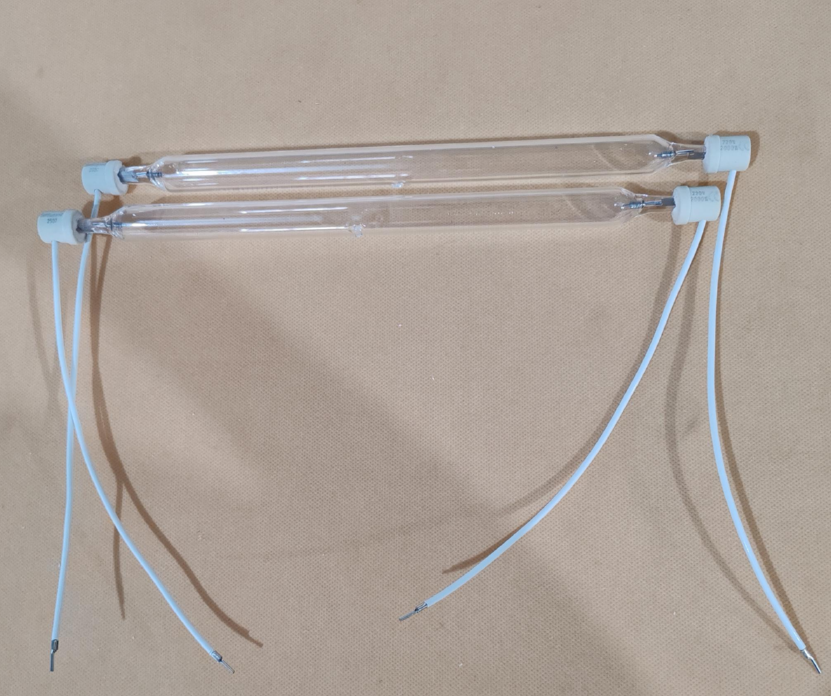
On the press, color drift isn’t a cosmetic quirk—it’s scrap. When the UV lamp’s spectral output falls out of sync with the ink’s photoinitiators, cross-linking gets uneven. You end up with inconsistent cure depth, pigments that shift, and a pile of reprints. On Hanovia-equipped lines, a replacement lamp only earns its keep if it holds the intended spectral profile and delivers repeatable irradiance. What actually matters: power, spectrum, and delivered energy UV curing runs on energy density (mJ/cm²) and peak irradiance (W/cm²), not just lamp wattage. A high-pressure mercury vapor lamp has to hold a stable emission envelope—strong output at 365 nm for deep through-cure, and the right energy at 385–405 nm to finish the surface cure without cooking the substrate. Our Hanovia-compatible lamps are built to match the original arc length, quartz envelope geometry, and reflector interface so the beam profile stays consistent. We call out the operating points—voltage, current, and warm-up stability—so the system delivers the same delivered energy per pass, shift after shift. Color consistency starts with wavelength control In screen and offset, pigments can move when the cure chemistry changes. If the lamp’s spectrum drifts, photoinitiator activation shifts, and the ink film cures differently across the sheet. Keep the wavelengths matched and the reaction stays repeatable—dot gain, density, and gloss all settle down. That means faster make-readies, fewer color approvals, and less downtime chasing shade. Compatibility, installation, and maintenance—what you really need to watch These lamps are designed as drop-in replacements for specified Hanovia models, but shop-floor tolerances vary. Before you install, confirm exact lamp length, arc gap, end-fit, and the reflector’s condition. Output is sensitive to reflector degradation and cooling airflow—clean reflectors and steady airflow are non-negotiable for stable irradiance. Plan replacements around measured output decay, not the calendar, so curing energy stays consistent.