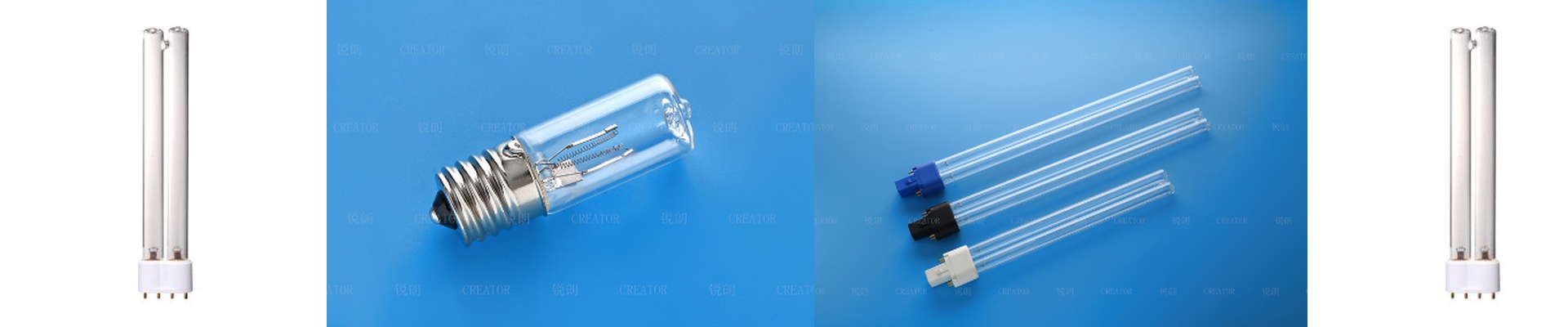
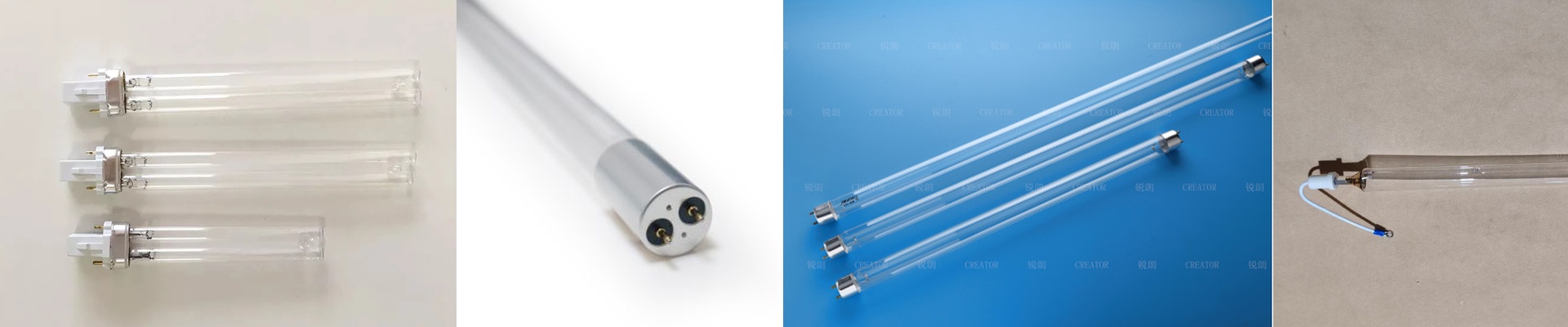
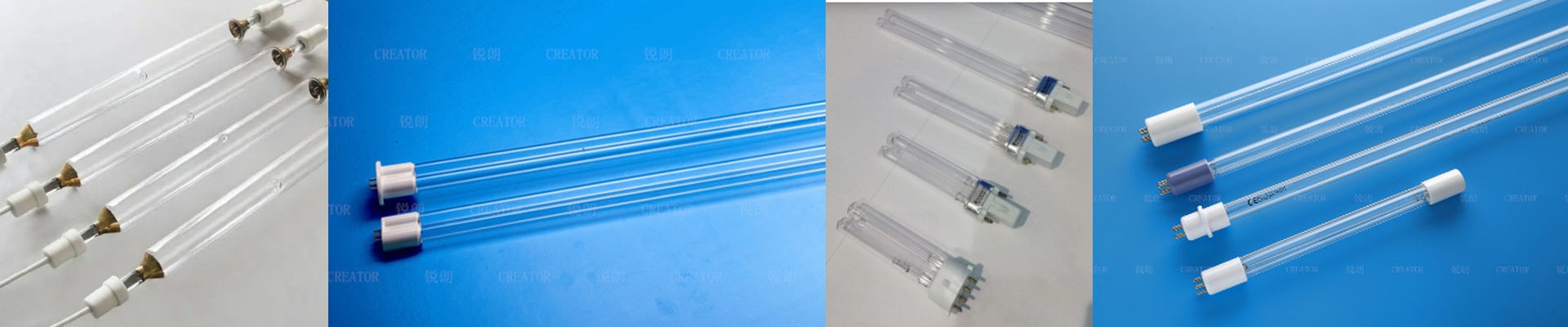
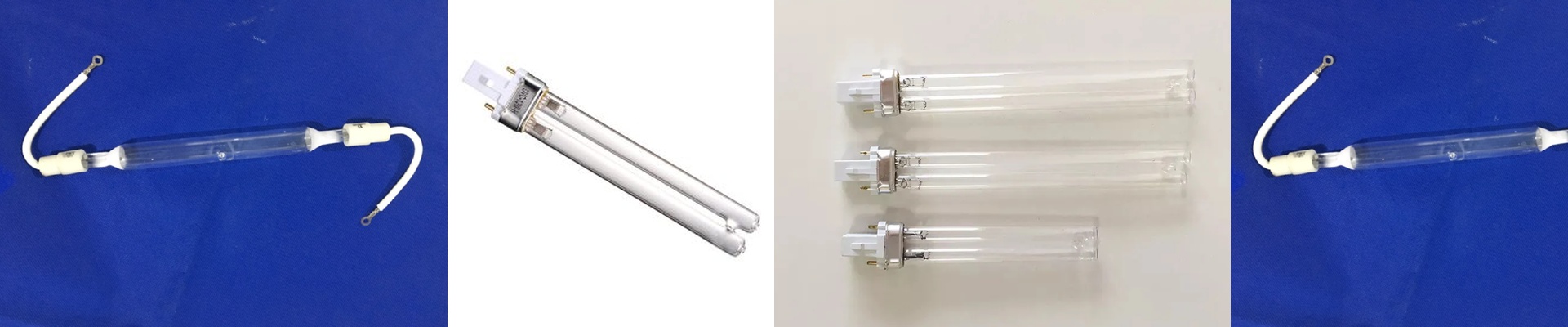
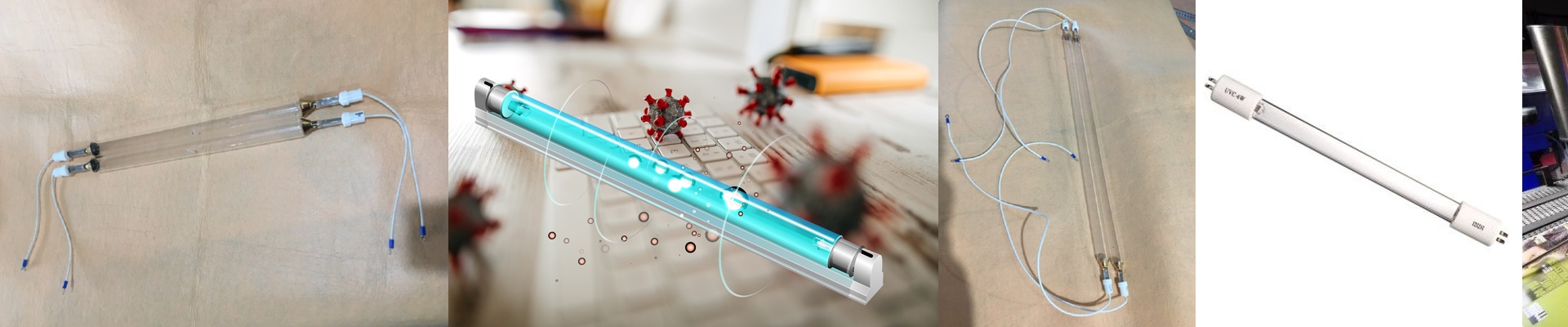
On a flexo label press pushing 150 m/min, uneven UV output isn’t just a speed killer. It shows up in the work—edge feathering, dot gain, and ink migration on the sensitive substrates we run every day. Most of the time, the culprit is lamp drift: output that shifts as the electrodes age, quartz sleeves get hazy, and reflectors lose their edge.
What actually matters under the hood
We build the high-pressure mercury vapor UV lamp for industrial duty, not a lab bench. The arc is tuned to keep spectral output stable in the 365 nm band—where most label UV inks and coatings absorb cleanly. Peak irradiance is engineered to top 2,000 mW/cm² at the web, giving the energy density (typically 300–600 mJ/cm²) needed for full cross-linking. A dichroic-coated reflector focuses output into that target band and cuts wasted IR, so you cure faster without cooking thin films. We spec electrode geometry and mercury fill pressure to flatten the output degradation curve. Run the lamp within its rated power and cooling window, and units will routinely hit 5,000+ hours with less than 5% drop in measured irradiance.
Why this matters on a label press
In flexo label work, stability is the difference between “set it and forget it” and chasing your tail. When the lamp holds spectral output steady, you can lock in curing windows once—then run repeat jobs without hunting for color shift or fighting tack. The payoff is sharper print definition, fewer rejects from smearing, and less downtime spent cranking lamp power to compensate for fading output. And because the lamp delivers high peak irradiance, you can push press speed without spiking temperature, which protects pressure-sensitive materials and thin liners.
The details that keep it honest
Match the lamp to the system. Check reflector geometry, aperture size, and power supply compatibility—mismatched reflectors waste output and leave the web curing uneven. The lamp is ozone-free, but you still need proper exhaust. At this intensity, UV puts out heat, and if airflow isn’t sufficient, lamp life drops and output suffers. Finally, make sure your radiometer can measure the right band. If you can’t get accurate irradiance and energy density readings, repeatable curing becomes guesswork.