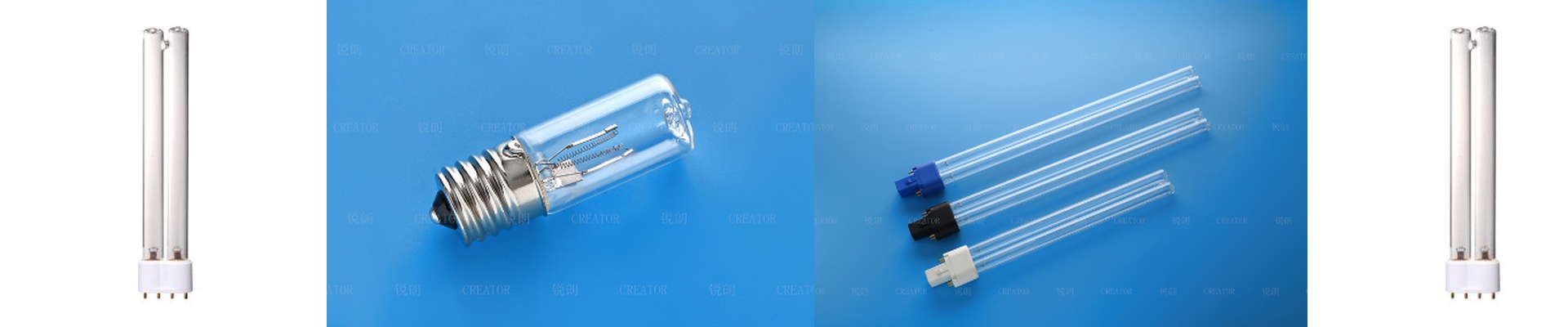
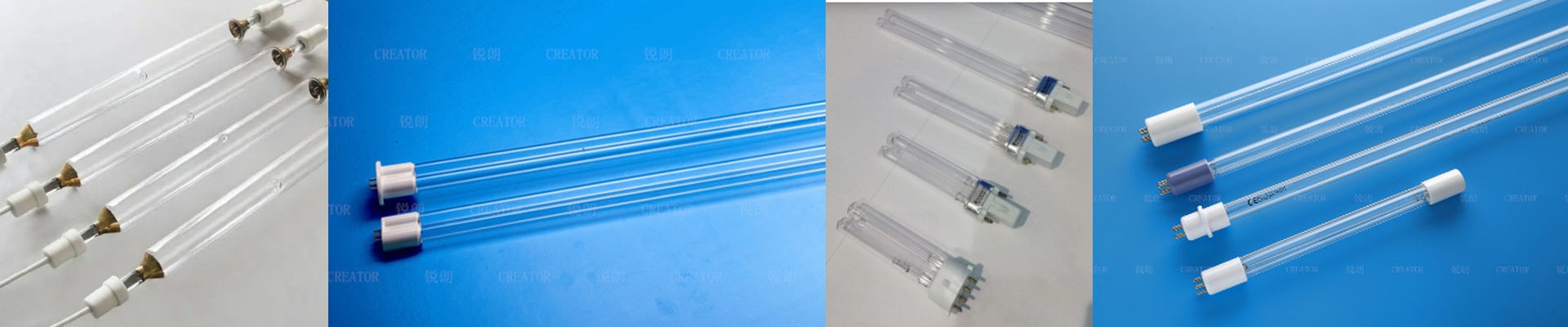
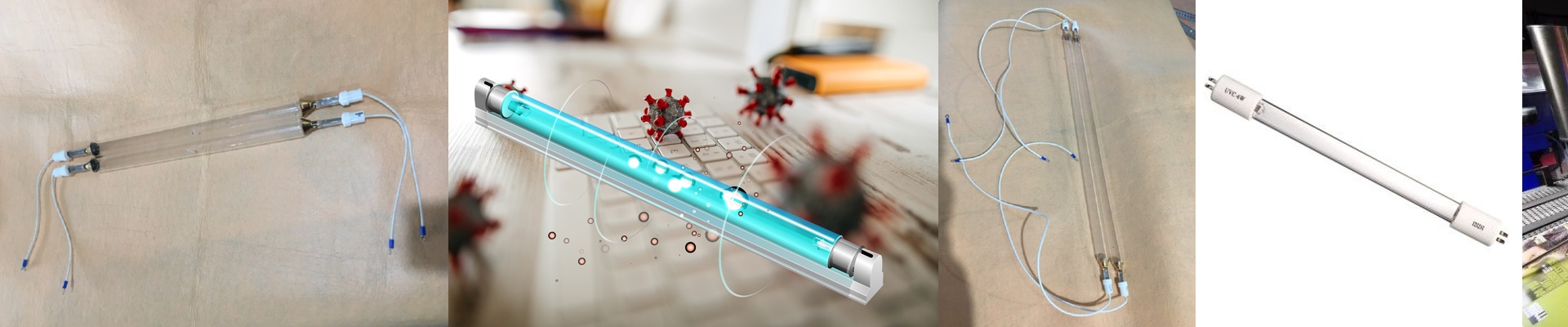
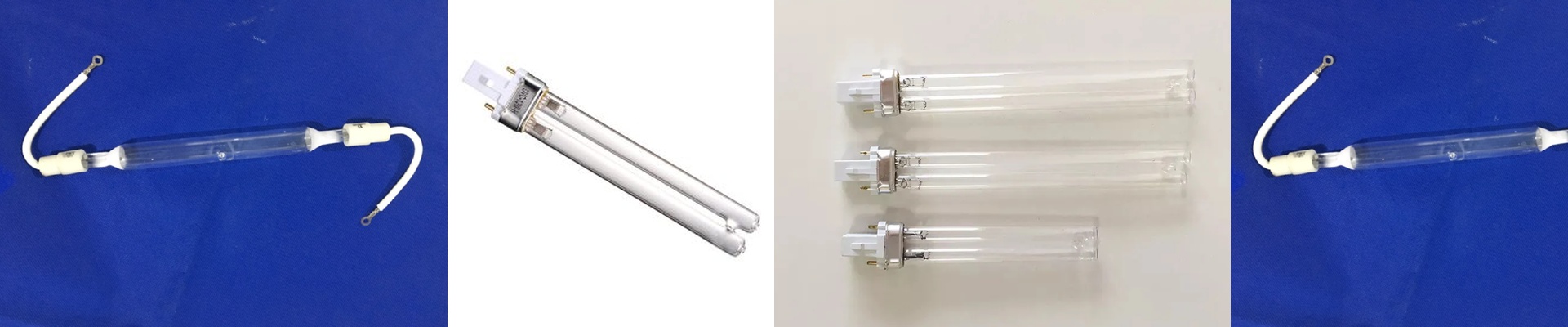
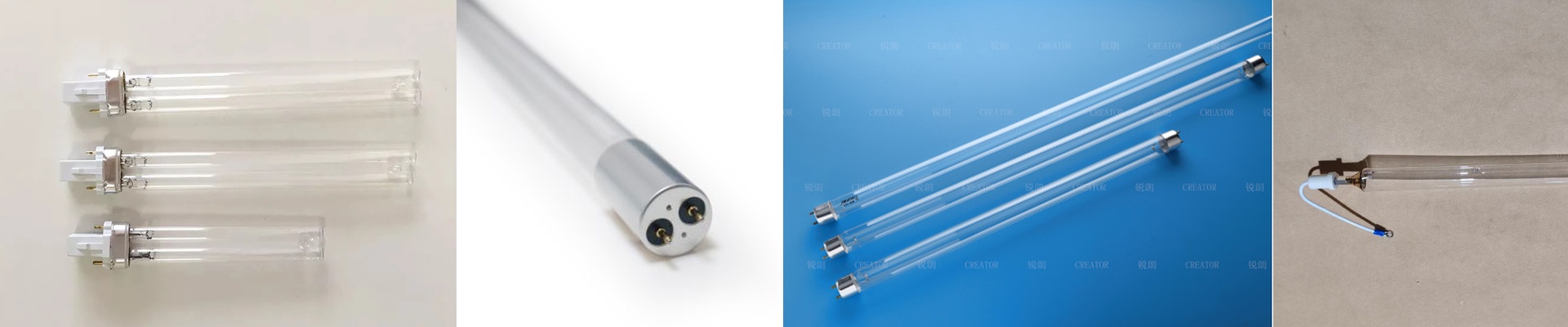
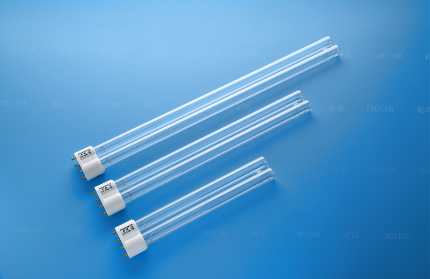
On the floor, a press is only as good as its curing system. When the lamp starts to slip, you know it immediately—tacky ink, web breaks, and scrap that eats into both time and margin. That’s why the big press builders spec our ultraviolet high-pressure mercury lamps as their OEM standard: the tolerances are tight, and the results are repeatable, shift after shift. What matters under the hood We build these around high-pressure mercury vapor, tuned to deliver stable spectral output with a strong 365nm peak and solid broadband energy across 385–405nm. That profile lines up with the photoinitiators in UV offset, flexo, and screen inks, so you get rapid cross-linking without surface inhibition. Peak irradiance is calibrated to hit consistent curing energy density—measured in mJ/cm²—across the full width of the substrate. We match arc length and reflector geometry to your lamp housing so the beam profile lands where the ink does. Output holds steady over 5,000+ hours, with controlled end-of-life decay. The quartz envelope is ozone-free, and the dichroic reflector coating focuses the UV band while shedding IR heat, which helps keep substrates cooler. Why it fits in the press room OEM integration isn’t just a parts swap; it’s about matching curing dynamics to the press. We dial in lamp parameters—power, spectral balance, and dwell—so the system cures thick deposits and fine detail with the same lamp. That translates into higher press speeds, fewer rejects from incomplete cure, and makereadies you can count on. Energy draw is optimized, and because output stays stable over long runs, you cut down on lamp changeovers and downtime. What you need to keep straight These lamps need precise alignment and a stable power supply. Mismatched reflectors or voltage drift will skew spectral output and shorten lamp life. Make sure your reflector type and connector interface are confirmed before installation, and run a spectral radiometer baseline after startup to lock in your process window.