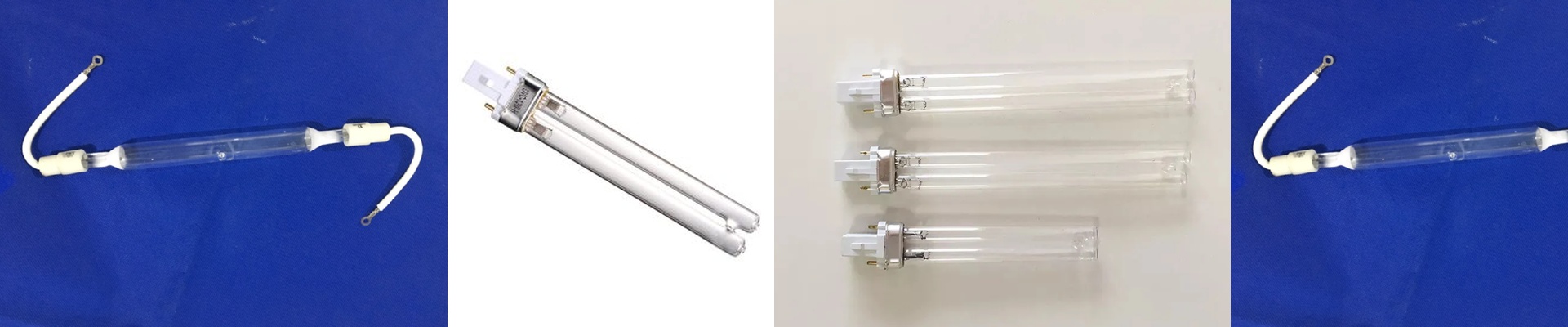
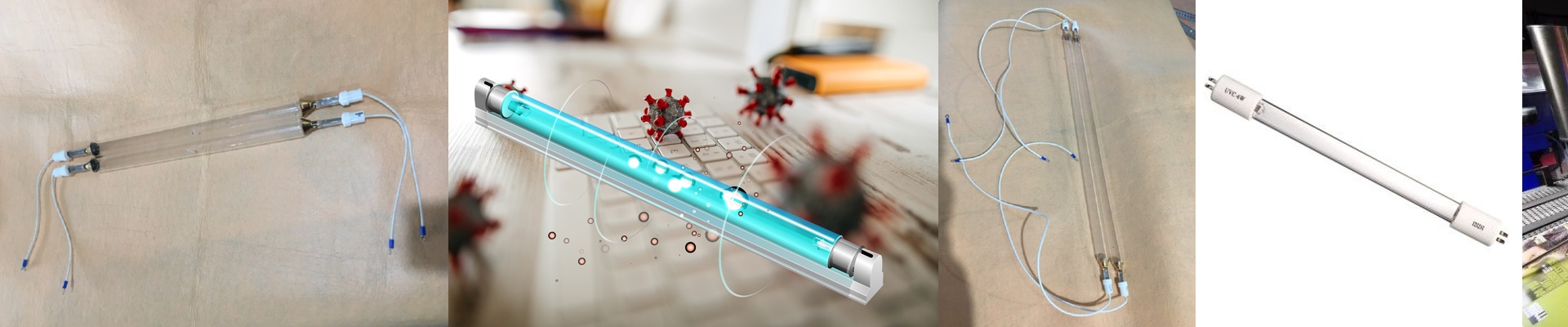
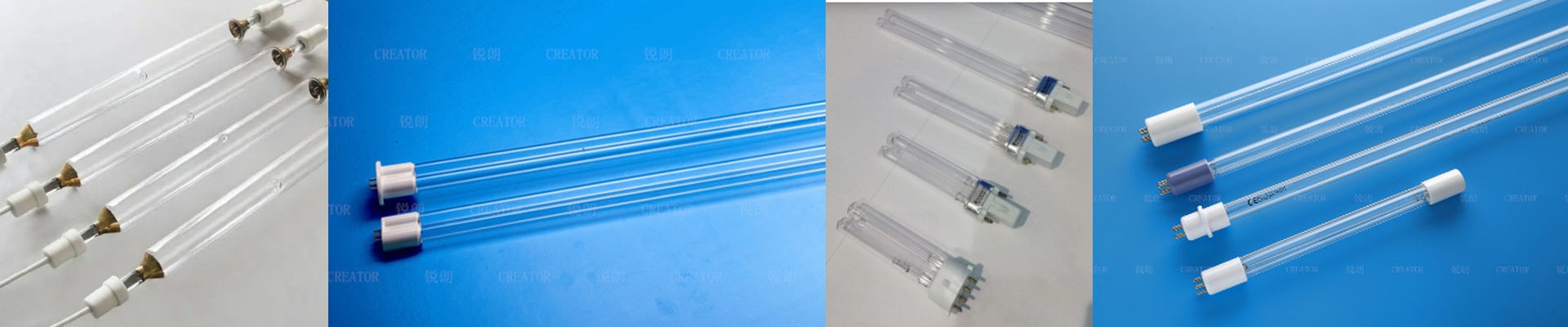
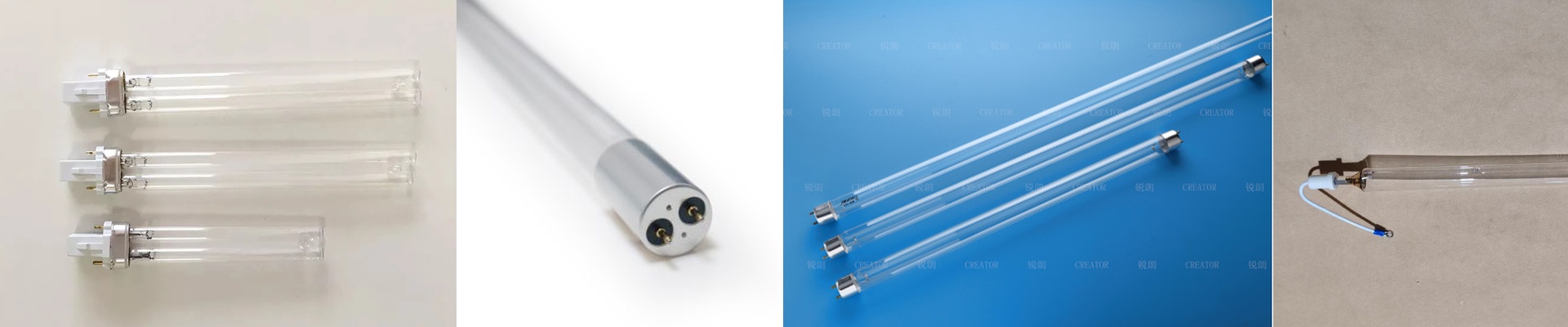
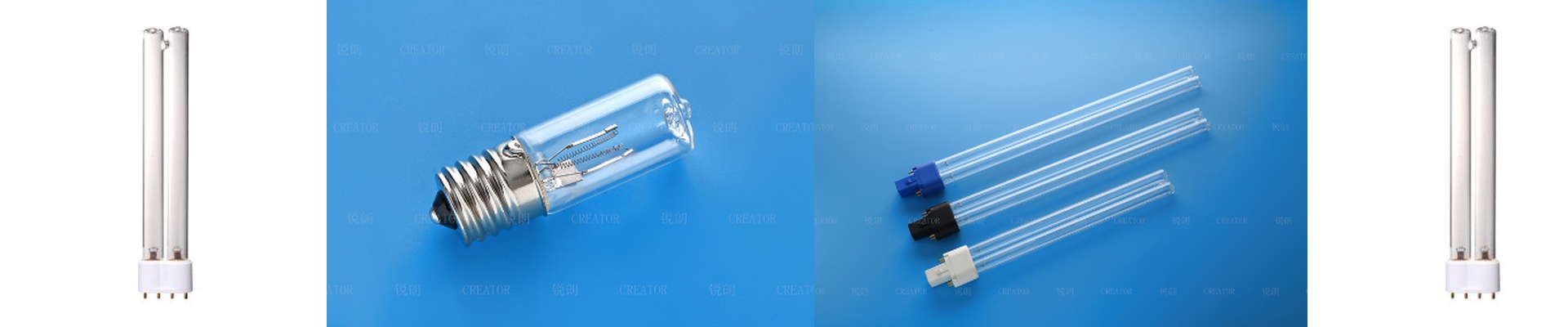
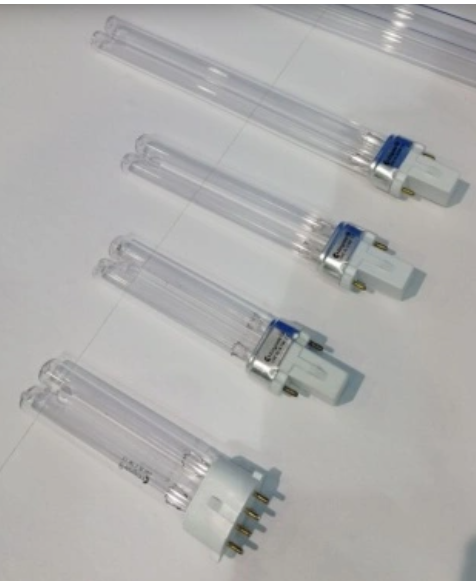
On the press floor, a UV lamp that doesn’t match the job doesn’t just burn time—it burns ink, substrate, and margin. After 15 years tuning spectral output in real production environments, we built the Aqua Ultraviolet lamp to hit the hard requirements of industrial UV curing: wavelength accuracy, stable irradiance, and repeatable energy density. What matters technically The Aqua lamp is a high-pressure mercury vapor source, engineered to keep a consistent spectral output across the UVA band. You get the dominant 365nm peak, plus strong 385–405nm output to drive photoinitiator cross-linking the way ink chemistry expects. Peak irradiance stays up because the reflector is dichroic-coated and focused on the arc zone, pushing more photon flux onto the substrate. We talk output in terms you can measure at the cure plane—mJ/cm²—so you can tie lamp energy to ink cure, not just to a power reading. Stability comes from tungsten-doped electrodes and ozone-free quartz, which flattens the output decay curve and keeps intensity steady over thousands of hours. Why it holds up in real plants This lamp was built for the long haul, not the spec sheet. In offset, flexo, and screen lines, the wavelength matching keeps the cure window wide enough for high-speed running without scorching. Throughput picks up because the energy density is enough for high-pigment and thick-layer inks, and you spend less time swapping lamps. The electrode and fill design holds output over 5,000+ hours with minimal drop. And energy use comes down because the reflector concentrates usable UV where it actually matters—on the substrate. What you need to get right on the floor Aqua bulbs drop into standard high-pressure mercury systems, but ignition and reflector geometry have to line up with your printer’s ballast and lamp housing. Match voltage, connector type, and arc length to the machine’s spec sheet. Run the lamp at its rated power density. Overdriving it accelerates electrode erosion and shortens life. Expect a warm-up period before irradiance stabilizes—plan line speed and cure setpoints around that transient, and verify cure with a spectral radiometer, not by eye.