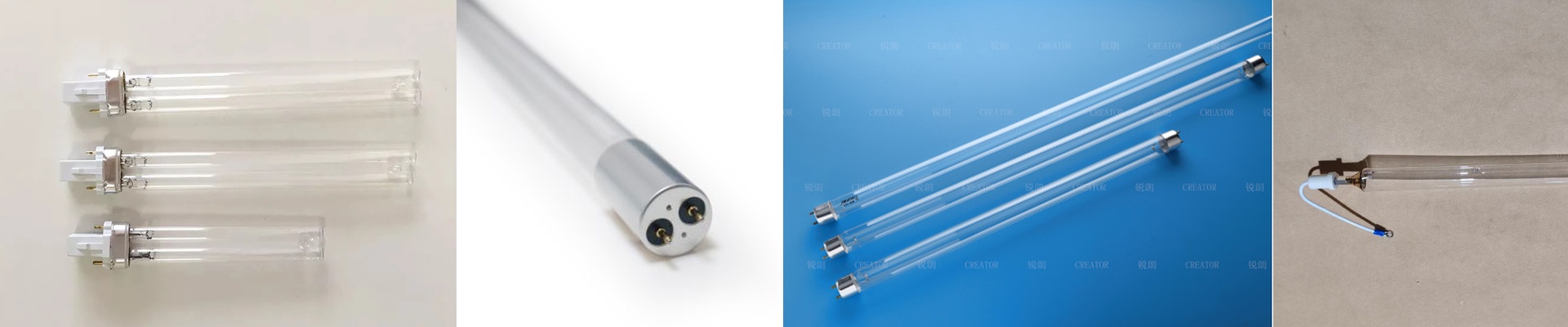
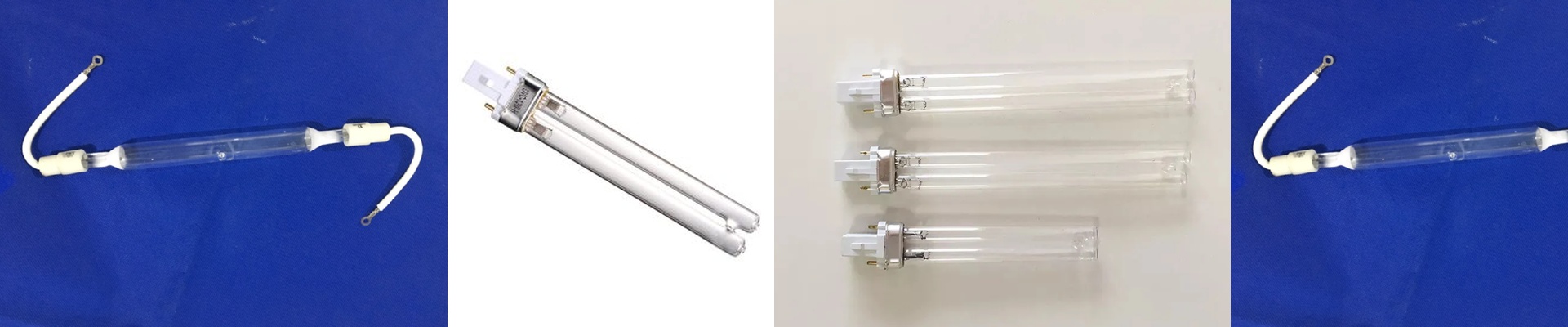
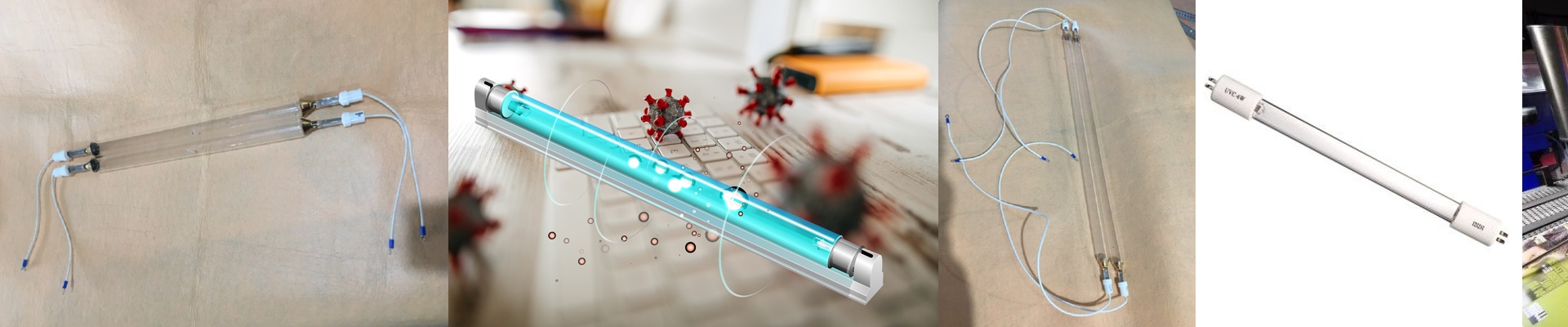
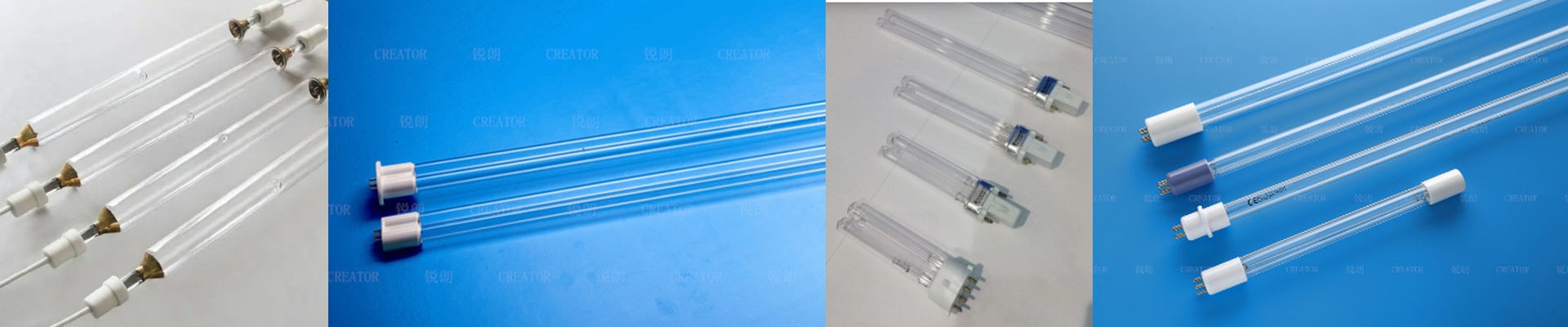
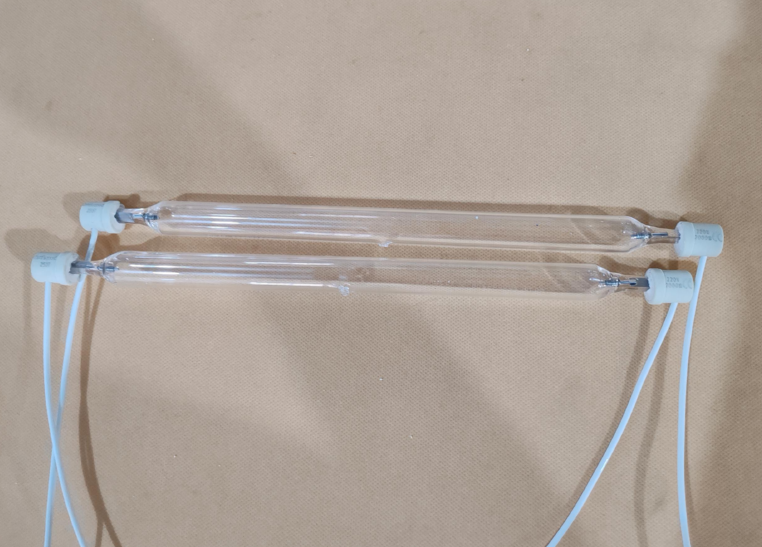
On the fly tying bench, throughput comes down to one thing: getting the cure done fast—and done right. Undercured epoxy and resins don’t just slow you down; they turn into scrap, rework, and operators waiting around. We built this UV curing lamp for fly tying to cut that bottleneck, not with wishful thinking, but by matching the spectral output and irradiance to the photoinitiators in today’s adhesives. Here’s the physics behind the cure. The system runs on a high-pressure mercury vapor lamp, with a clean, stable 365nm peak. At the work plane, you get 600mW/cm² peak irradiance, and across typical resin thicknesses, the delivered dose lands at 1,200–1,800mJ/cm². A dichroic-coated reflector pushes the UV forward and wastes less IR, so parts stay cooler. Output stays repeatable, with less than 5% drop after 3,000 hours, and it’s ozone-free. Power is 300W, 100–240VAC, and the 200mm arc length fits tight stations. Why it works in practice is straightforward: the output matches the absorption profile of common epoxies and UV resins, so cross-linking finishes in seconds, cycle after cycle. You get a consistent surface cure without overheating delicate feathers and threads, and the stable output keeps results from drifting between operators. Energy draw stays steady, and lamp changes are infrequent—fewer interruptions. A couple of field realities to keep straight. The fixture needs proper reflector alignment and a clean, cool air path to keep reflectivity where it should be. Output is distance-sensitive—keep the work plane within the 10–25mm window so you hit the target dose. And always check your resin’s spectral sensitivity against the 365nm profile; if your formulation peaks at 385nm or 405nm, we can adjust the coating to match.