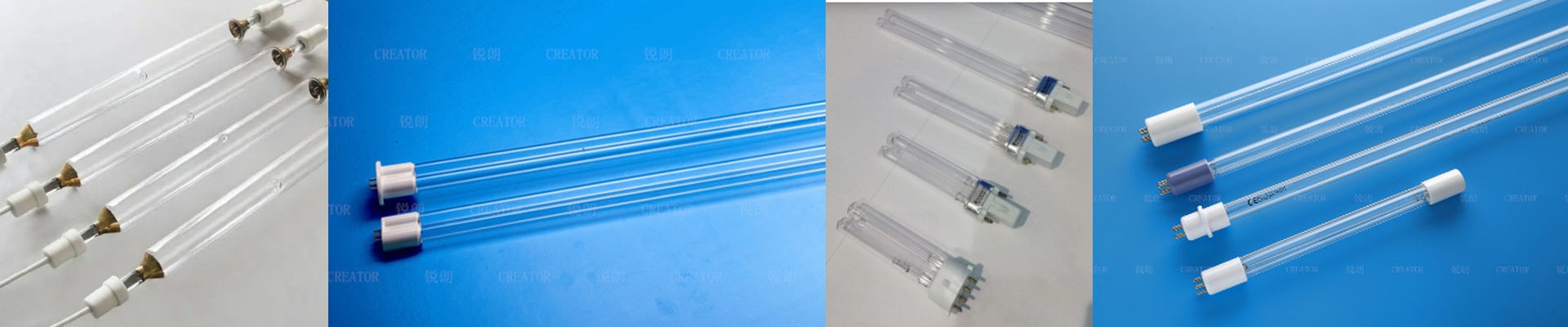
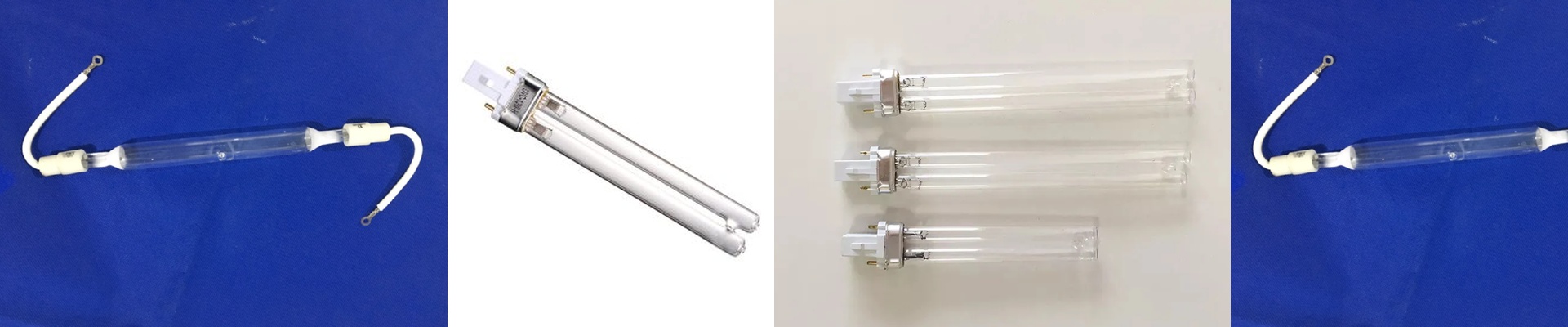
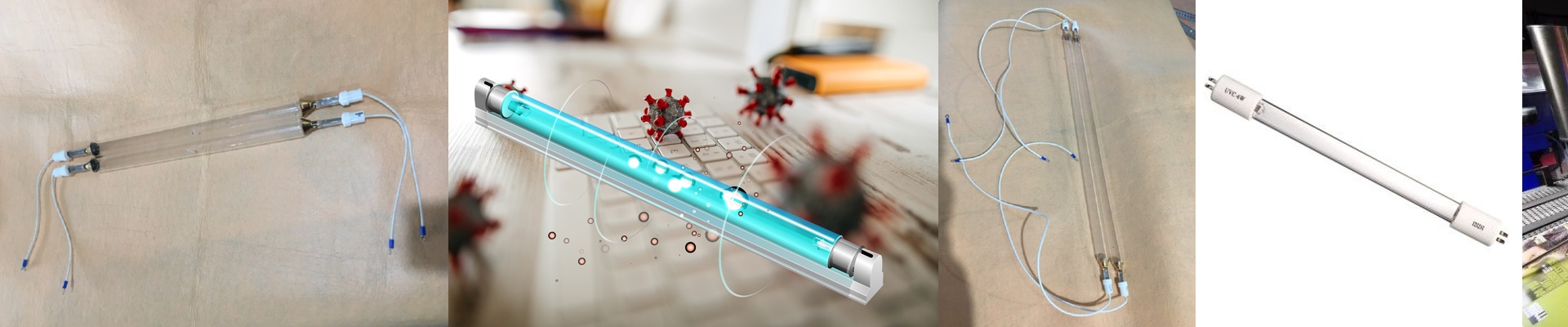
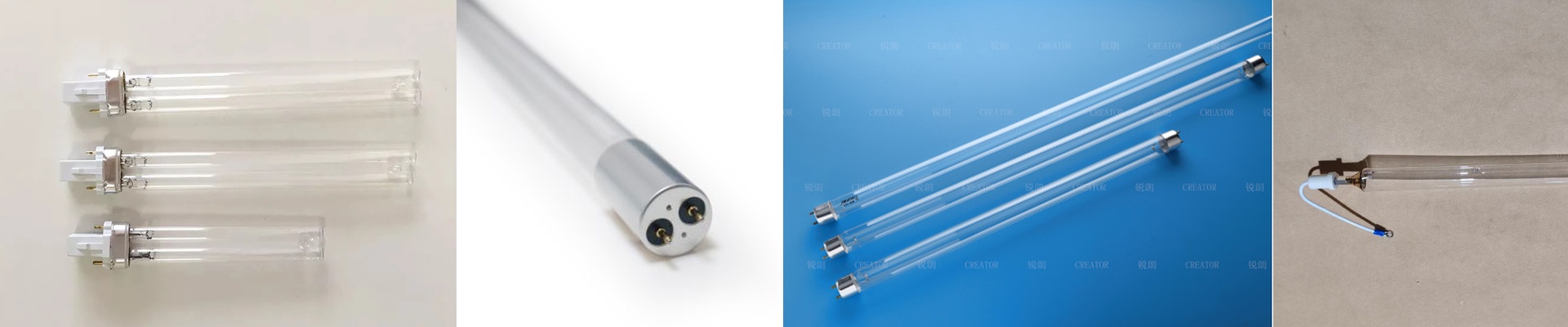
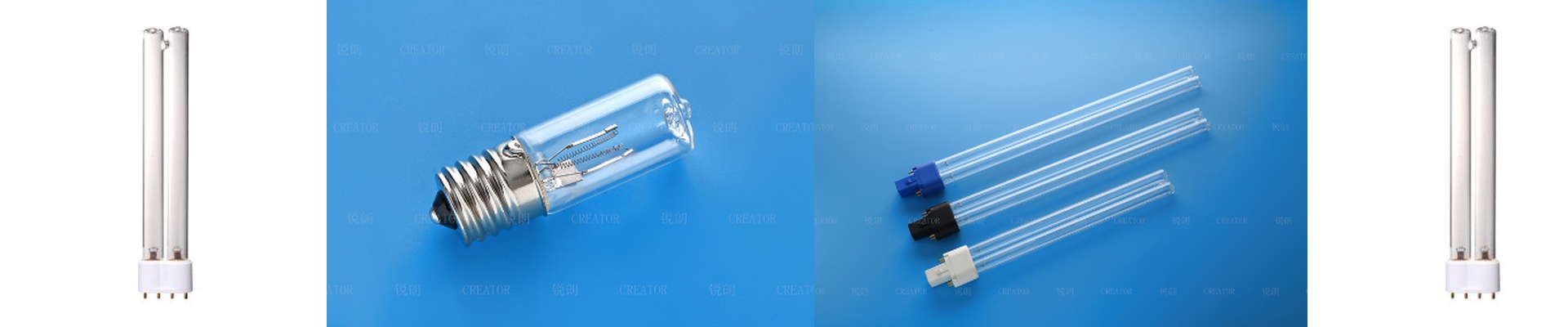
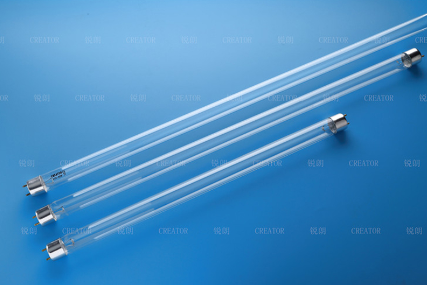
Chemical residues on critical surfaces aren’t an option anymore in today’s bio-secure facilities. The spend on caustic agents, the storage, the handling, plus the rinse downtime—all of it drags down throughput and makes compliance harder than it needs to be. We built high-power UVC lamps to swap chemical disinfection for a repeatable, ozone-free process that runs in-line and leaves zero residue. What matters under the hood These lamps are low-pressure mercury vapor, tuned for germicidal output at 254nm. We run quartz envelopes for high UVC transmissivity and solid thermal stability, then pair them with reflectors that deliver uniform irradiance across the target. Peak irradiance hits tens of mW/cm², so you can control dose in mJ/cm². Output stays stable across lamp life, with predictable degradation curves—5,000+ hours at maintained intensity when you keep the lamp within rated current and temperature windows. The chambers are designed for dry air or nitrogen purging to keep ozone from forming at that short-wavelength edge. Why this fits production bio-safety On the line, disinfection has to keep up with cycle time. UVC exposure takes seconds, so you don’t wait around for chemical contact time or run a rinse step. Changeovers come faster, consumable spend drops, and your sanitation validation has fewer variables to chase. Because it’s purely optical, there’s no chemical carryover to foul sensitive materials or packaging. The practical details you can’t skip UVC intensity falls off with the square of distance, and you need line-of-sight to the surface. Shadowed areas won’t get enough dose, so map fixture layout and product geometry before you roll out. Confirm performance with a calibrated radiometer at the work plane, and check chamber reflectivity and airflow so you don’t get cold spots. Plan for thermal management, too—keep lamp junction temperature in spec to preserve output and life.