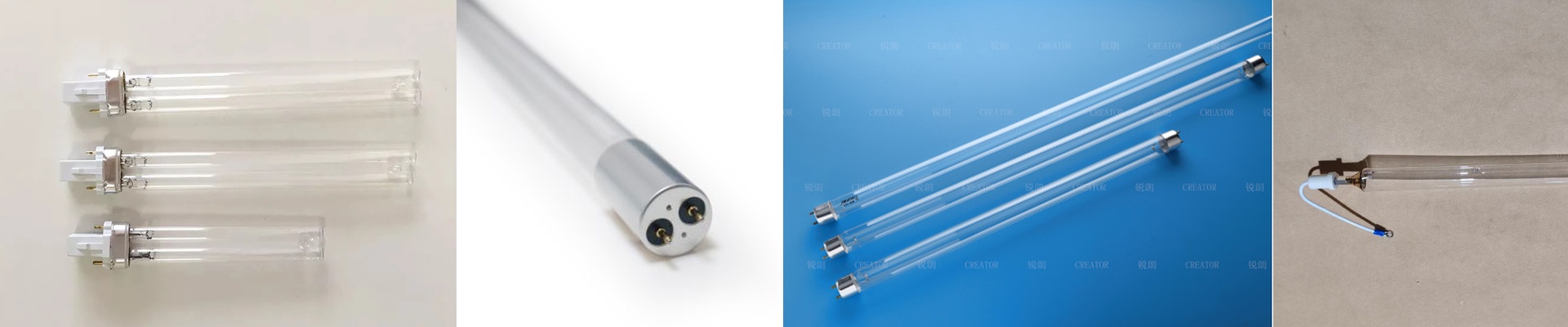
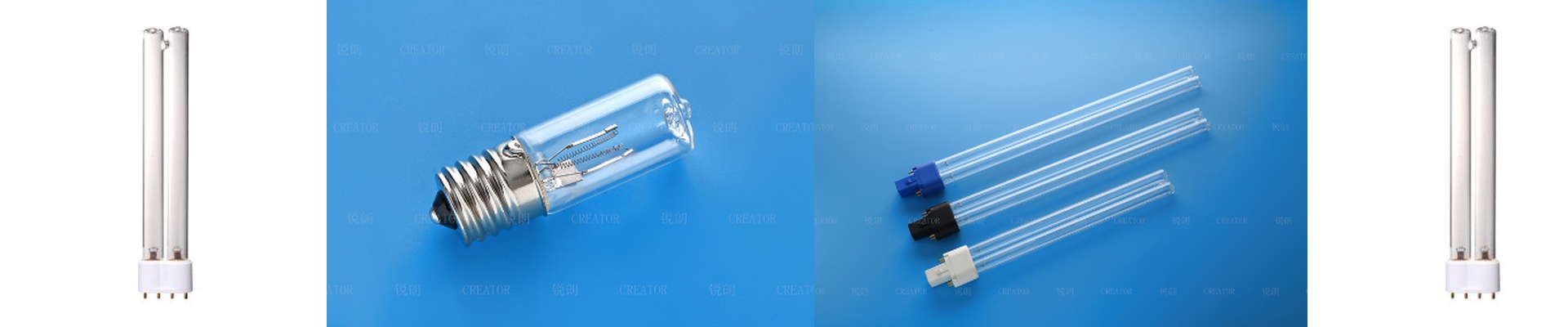
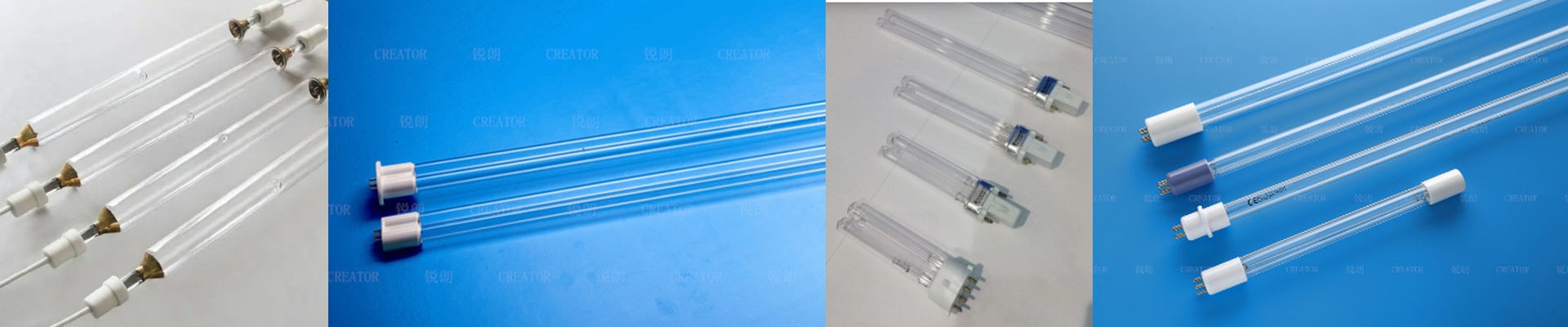
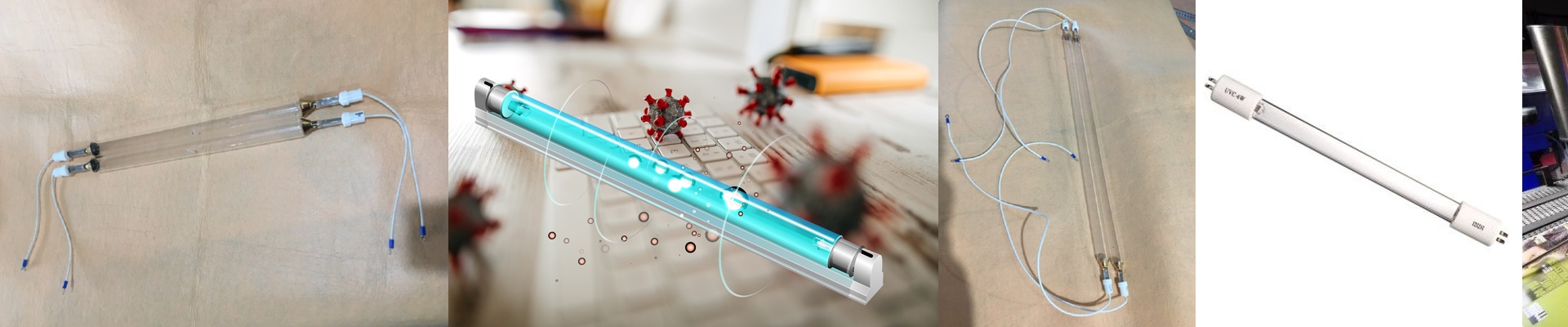
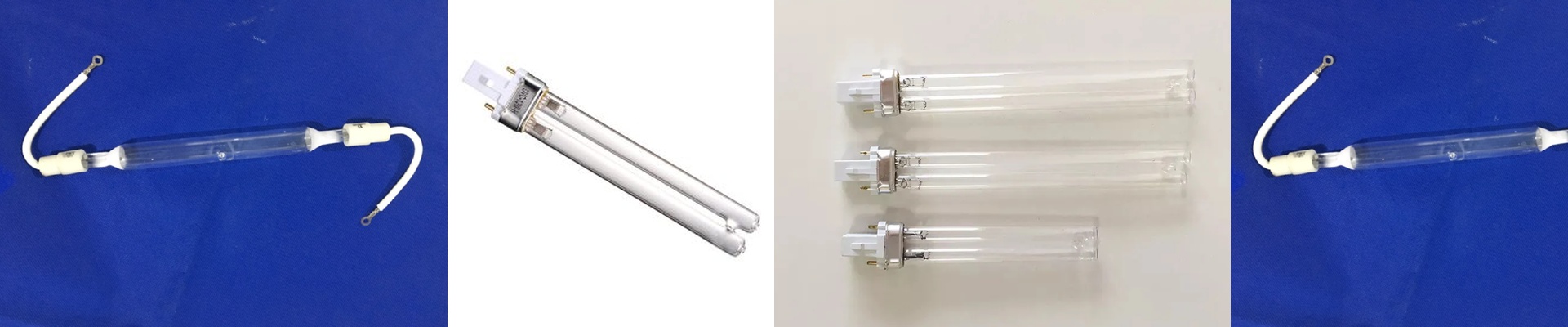
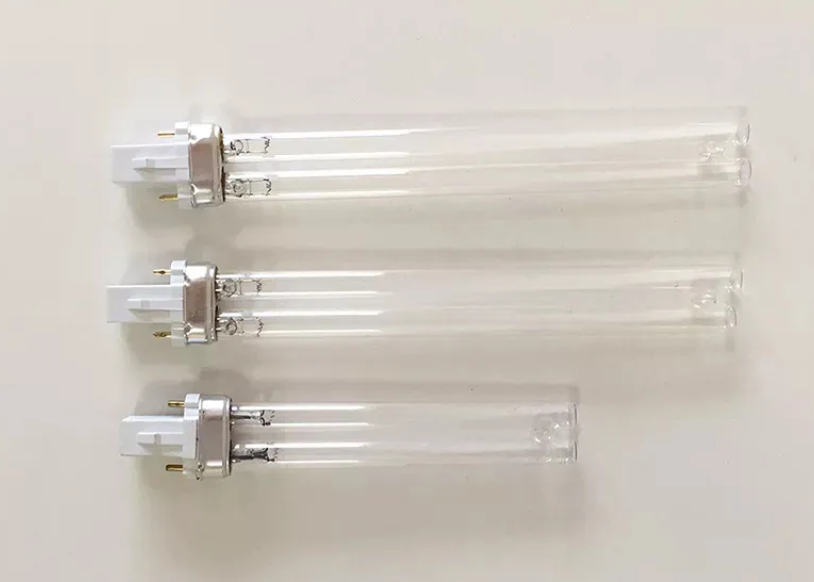
On the plant floor, chemical disinfection cycles choke throughput and leave residues that make compliance a headache. Swapping those chemicals out means you need a UVC source built for intensity, stability, and control. Osram UV sterilization bulbs bring that to the table, letting you move to biosafety without throwing away uptime. The technical core is pretty straightforward. It’s a high-pressure mercury vapor discharge tuned to 254 nm, optimized for knocking out microbes. Peak irradiance gets pushed through a proprietary quartz envelope and reflector geometry, so dose distribution stays predictable. Output holds steady for 9,000 hours, with controlled end-of-life decay. The ozone-free design keeps secondary contamination off the table, and the bulb drops into standard fixtures with defined electrical and mechanical interfaces. And this matters where the rubber meets the road. Moving from chemical agents to UVC cuts dwell time, strips out rinse steps, and drops VOC emissions. You get repeatable log reduction across bacteria, viruses, and spores, with dose set by lamp power, dwell, and geometry. Energy use falls compared to thermal methods, and maintenance intervals stretch out, so you’re buying fewer spares and spending less on labor. Fit has to be engineered, not guessed. Match lamp length, arc gap, and reflector focal distance to your chamber. Make sure voltage, ignition voltage, and ballast compatibility line up with the driver. Thermal management matters—UVC bulbs run hot, and too much heat hastens output decay. If you’re running curing lines that also need process hygiene, keep this straight: UVC and UVA/UVB are different bands.**Don’t conflate sterilization with photoinitiator cross-linking.**Expect tight mounting tolerances and a dedicated ballast—those constraints are what buy you repeatable performance.