How to actually scale your UV brand without the headaches
Most people mess up UV bulb sourcing because they treat bulbs like generic lightbulbs you’d buy at a hardware store. But here’s the thing: a bulb isn’t just a piece of glass. It’s a critical part of your machine’s electrical nervous system. If those two aren’t talking to each other, your product is going to fail.
Getting the physics right
To hit that 253.7nm peak, you need a very specific gas mix. It’s a delicate balance. We spend our time tuning the wattage and voltage so they play nice with your ballast. Why does this matter? Because if you shove a high-wattage tube into a ballast that can’t handle it, you’ll fry the electrodes. Simple as that. We look at the tube length and the irradiance levels together. We make sure you get the UV dose you need without turning your housing into an oven.
The nitty-gritty of OEM design
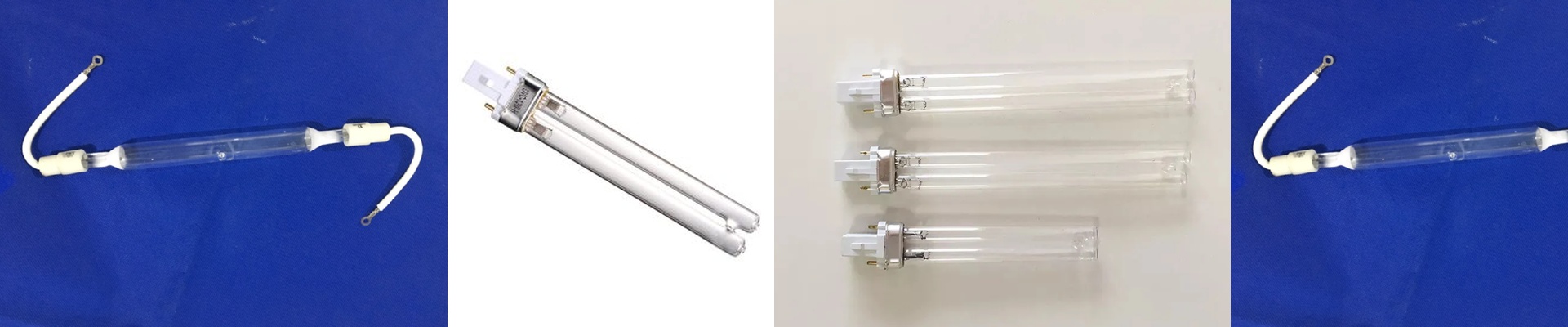
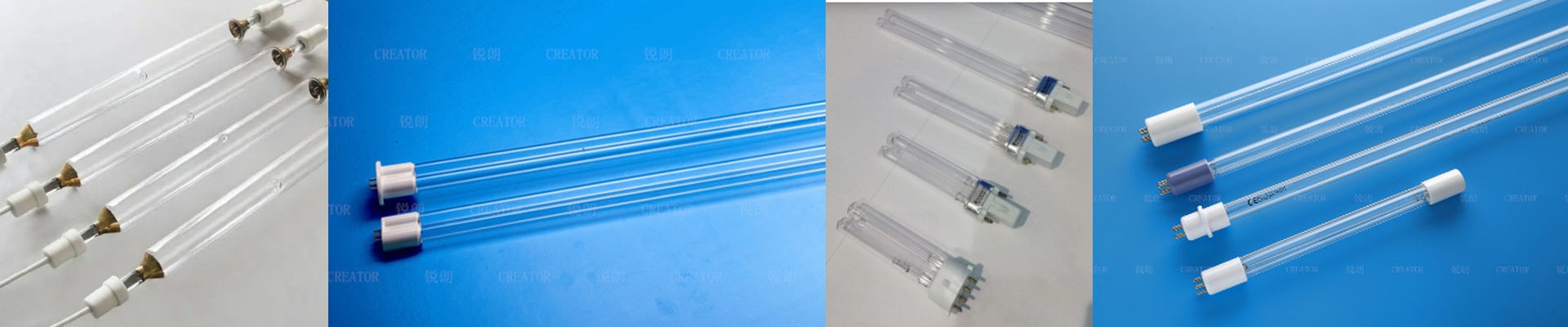
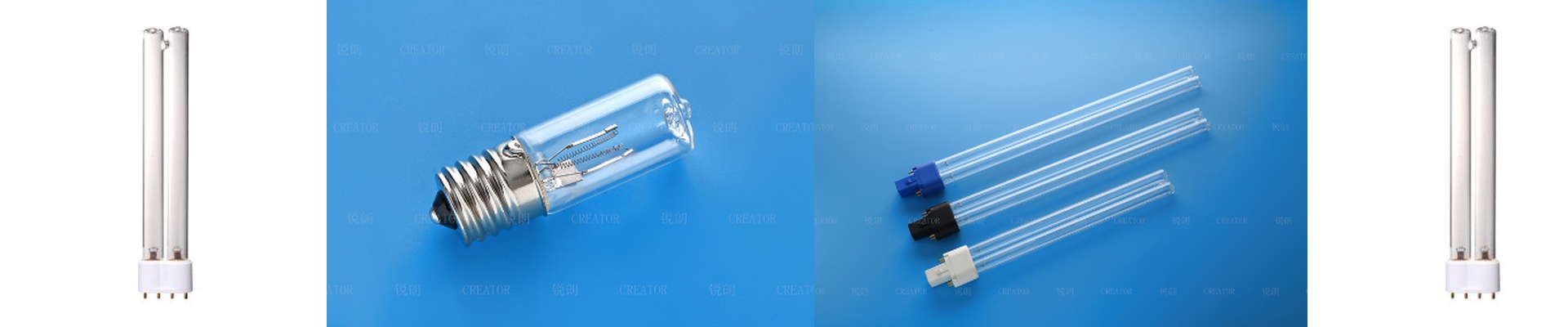
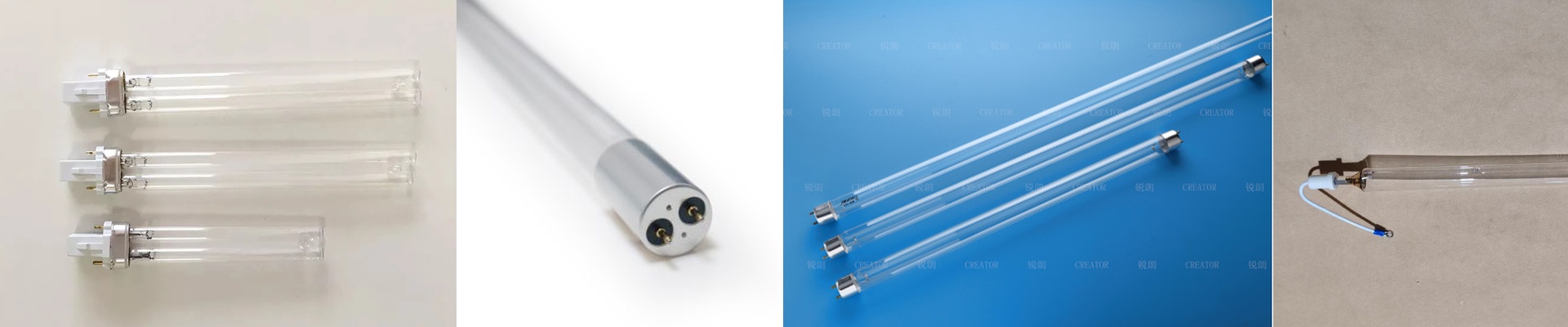
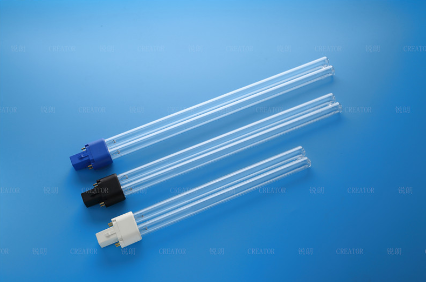
Putting a logo on a box isn’t “branding.” Real branding is when your customer swaps a bulb and it just… fits. We handle the boring but vital stuff: end-cap configurations, pin layouts, and the exact thickness of the quartz glass (especially if your machine vibrates a lot). We can even tweak the coatings if you need to shift the spectrum. And we’re obsessive about the glass-to-metal seal. That’s usually where the cheap stuff leaks and dies. We make sure it stays airtight.
The trade-off: Power vs. Heat
Here is the catch: high-output mercury bulbs get hot. Really hot. If you’re trying to cram maximum UV-C intensity into a tiny box, your cooling has to be spot on. If the air isn’t moving, the quartz envelope stresses out and the lamp life plummets. It’s a frustrating way to lose customers. We’ll sit down with you and find that sweet spot where you get the power you want without melting your chassis. You tell us what your application needs to do, and we’ll build the hardware that actually makes it happen.