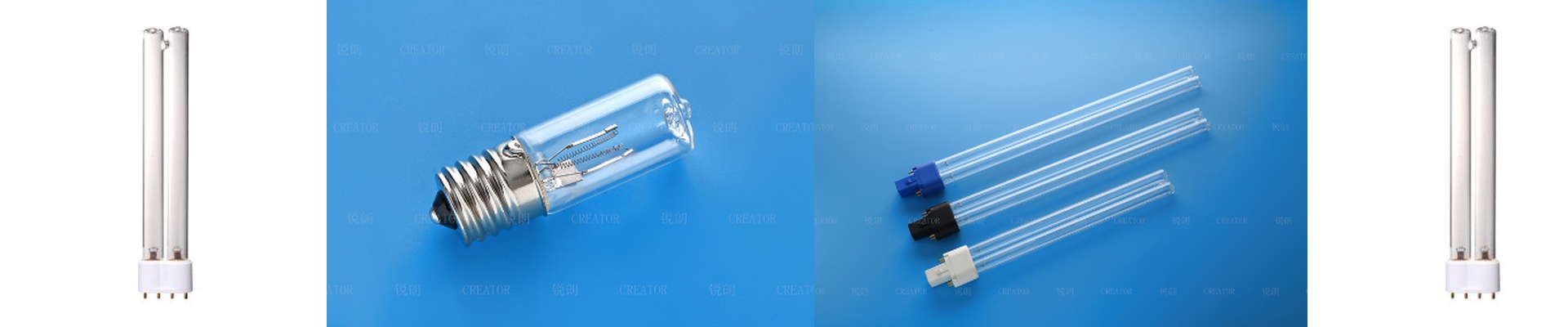
The Hidden Risk in Your UV Lamp Supply Chain
When you’re sourcing mercury UV lamps to ship across the globe, it’s easy to get hung up on the numbers. You look at the wattage, the quartz grade, the electrode geometry—the usual stuff. But there’s something else that matters just as much, and it’s usually invisible until something goes wrong: the legal side of things. Here’s the thing. If you buy from a supplier who doesn’t actually own the patents for their tech, you’re playing a dangerous game. You could be staring at a massive shipment stuck in customs, or worse, seized entirely.
Why the “Cheap” Option Costs More
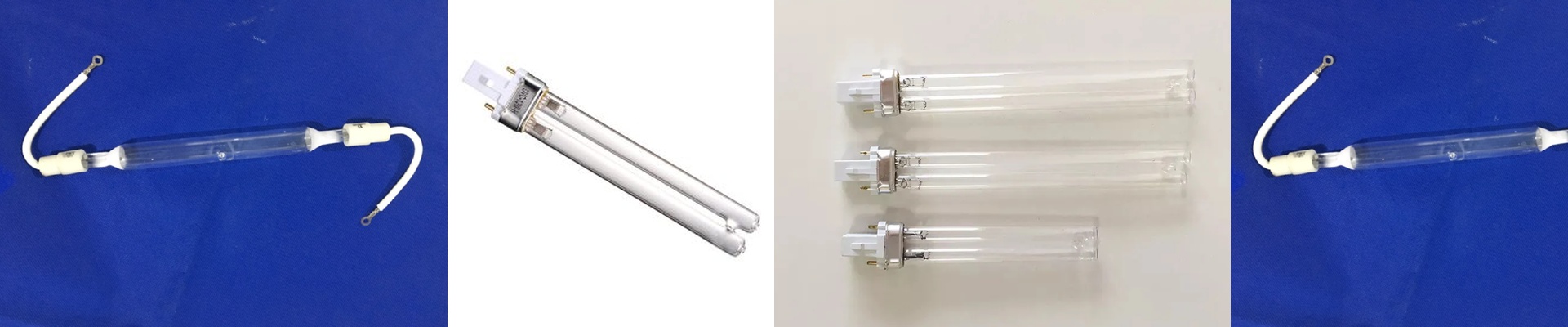
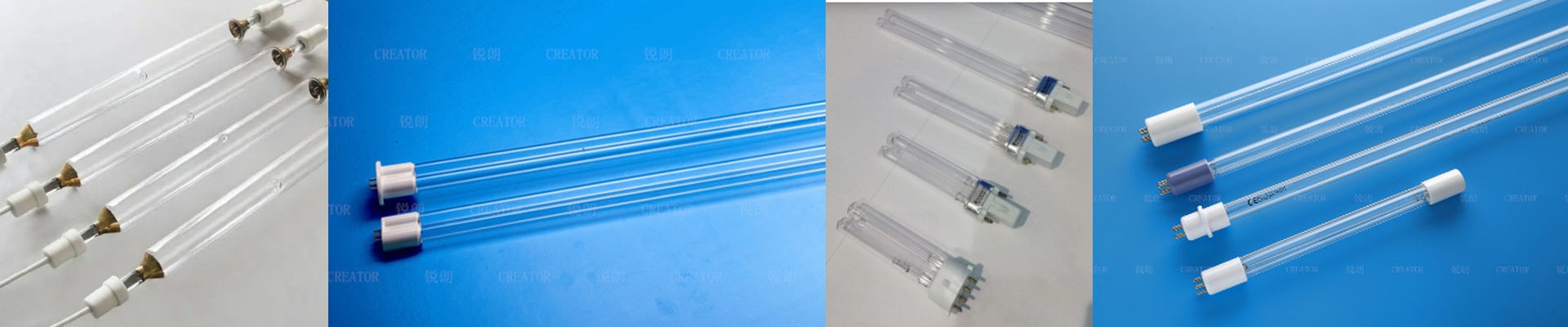
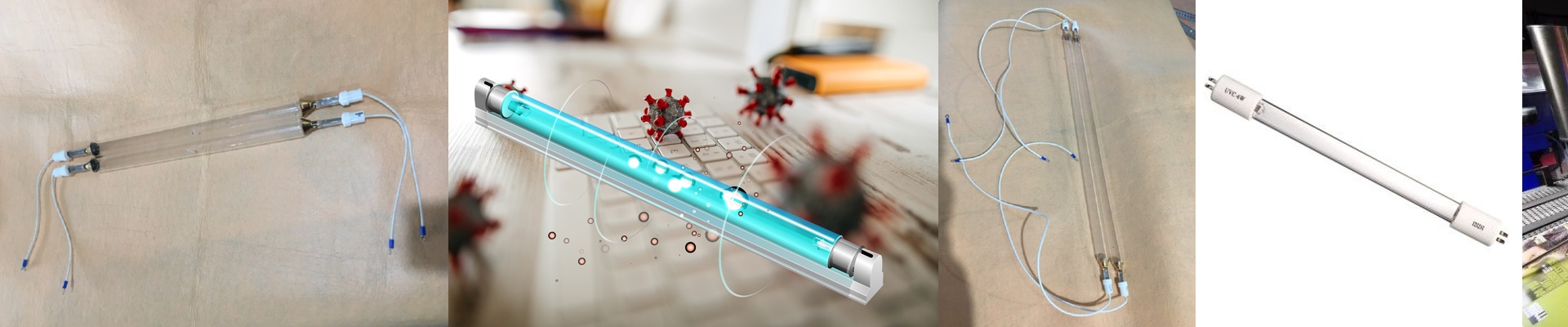
You might wonder why a patent even matters for a light bulb. Well, it comes down to how the lamp actually works. We spend a lot of time obsessing over electrode configurations and gas-fill ratios. It’s not for show. It’s about the physics of the arc. By tweaking the internal geometry, we can keep the plasma discharge stable, which means the lamp lasts way longer. But when a supplier just clones a generic design to save a few bucks, they’re often stepping on someone else’s intellectual property. If those lamps are heading to the US or the EU, customs agents are looking for that. A “bargain” lamp becomes a nightmare real quick when it gets flagged as a counterfeit.
Sleeping Better at Night
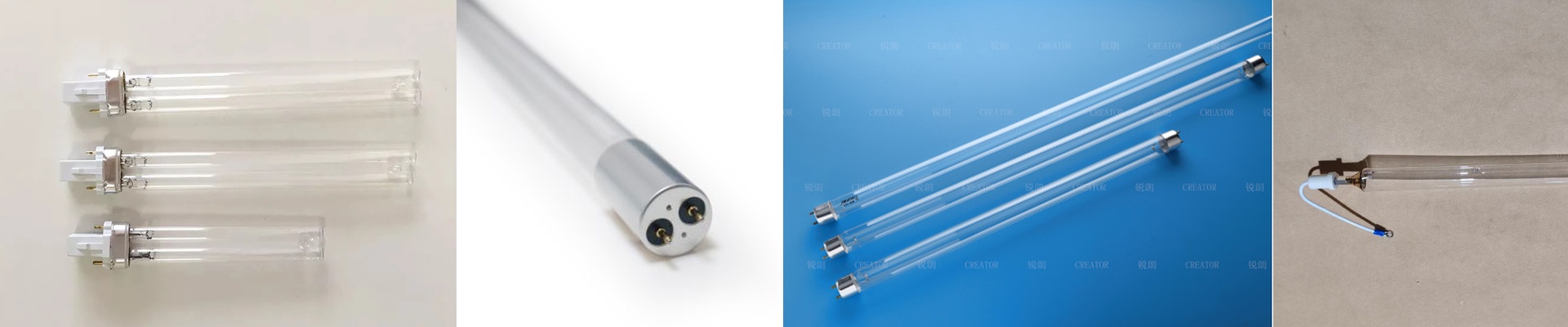
We handle the paperwork to prove our tech is our own. That means you can move your product through customs without worrying about a legal injunction crashing your party. You get a part that fits your machine perfectly, and you don’t get a headache from a lawyer. One quick heads-up, though. These high-output lamps put out a lot of heat and ozone. Our designs are built to maximize UV-C output, but they still need to breathe. If your ventilation isn’t up to scratch, the lamp will overheat and burn out early. It doesn’t matter how great the patent is if the air isn’t moving. We build these things to survive the grind of an industrial setting, as long as you keep them cool.