Using UV in the Textile Mill: More Than Just a Quick Clean
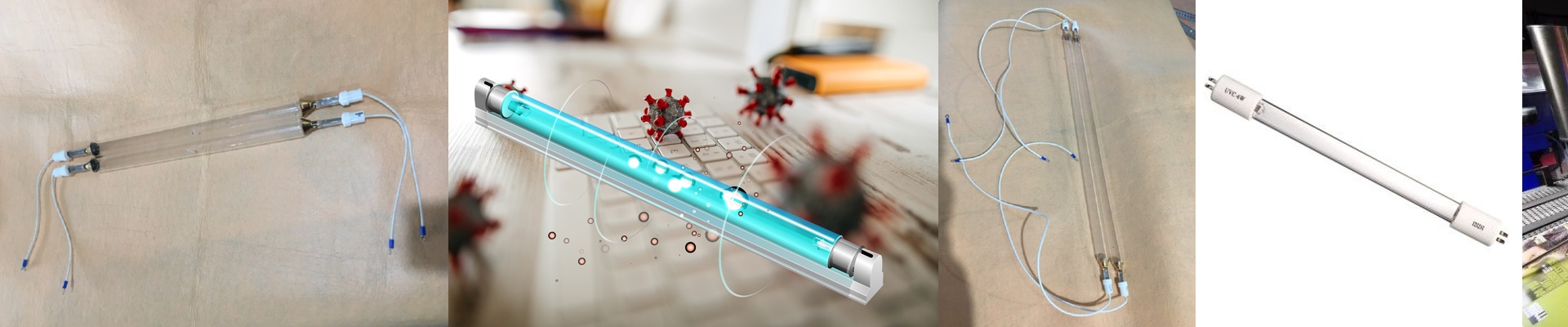
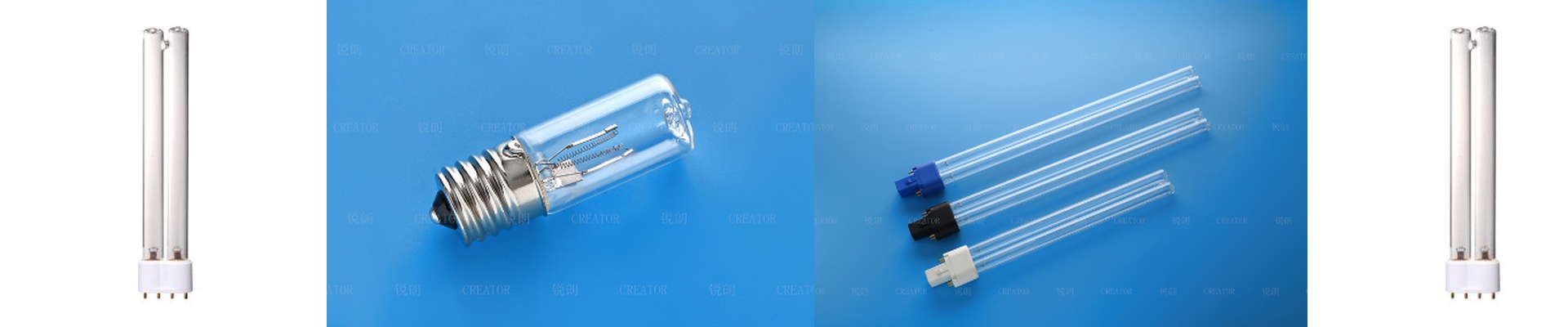
Most people think UV lamps are just for scrubbing surfaces, but in a textile mill, they’re actually the workhorses of the operation. We use them all over the place—from curing chemicals to keeping microbes at bay. You’ll see them tucked into the printing lines to set the ink and then again at the very end when we’re packing everything up for shipment.
The Technical Side (And Why It’s Tricky)
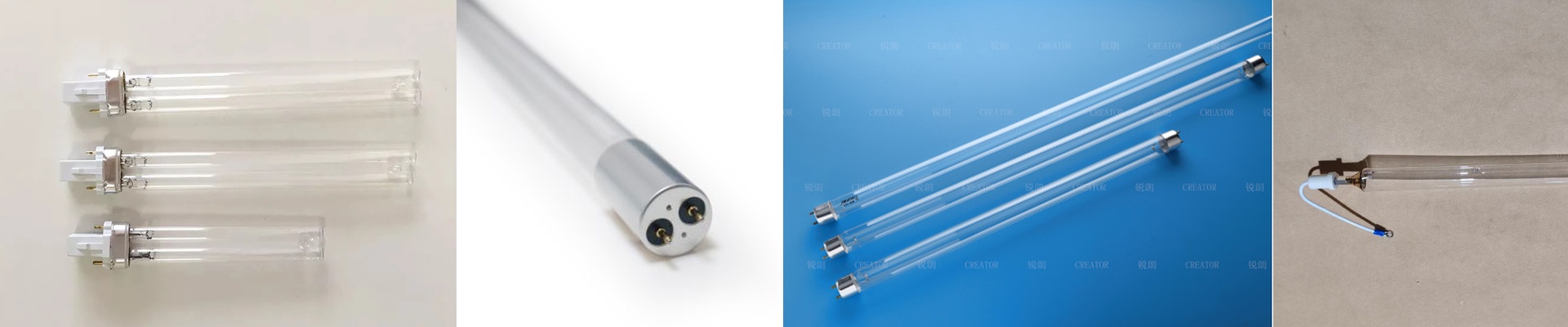
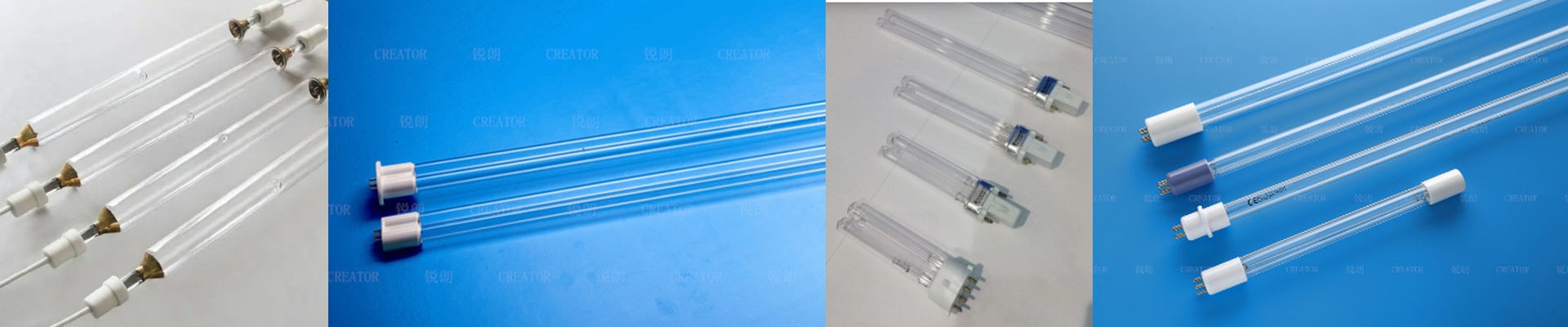
We usually go with low-pressure mercury vapor lamps that hit that 253.7 nm sweet spot. Now, the real trick is the irradiance—the mW/cm². You have to get the dose exactly right. If you get greedy and crank up the wattage to speed up the line, you’re asking for trouble.**You’ll start seeing white fabrics turn yellow or synthetic fibers just start to break down.**It’s a constant tug-of-war between how fast you want the fabric to move and how much you care about the quality of the material.
Keeping Everyone Safe
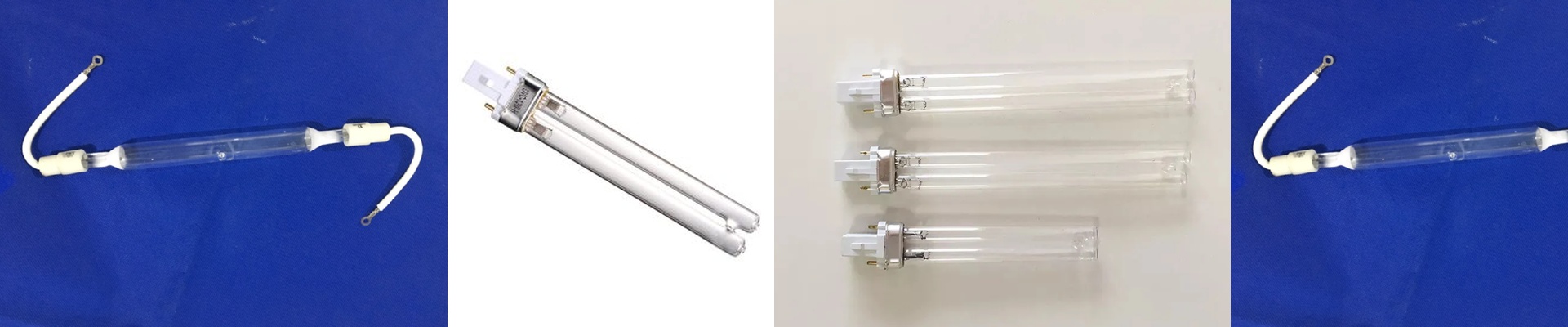
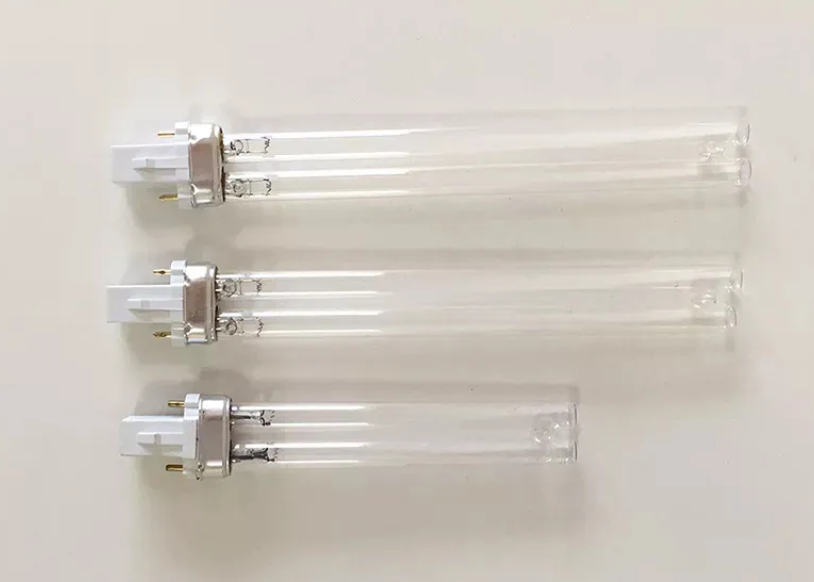
Here is the thing: UVC radiation is no joke. It’ll burn your skin and wreck your eyes in a heartbeat. Because of that, we never just leave these lamps out in the open. We build them into shielded tunnels or hook them up to interlock switches. That way, the second a tech opens a hatch for maintenance, the power kills instantly. We also use quartz glass for the envelopes because regular glass just blocks the UVC. But quartz has a weakness:lint. In a textile mill, lint is everywhere. If that dust coats the glass, your sterilization rate tanks. You’ve got to keep them spotless.
The Trade-offs
UV lamps get hot. Really hot. While we only care about the UVC output, the infrared heat that comes with it can actually warp the plastic parts of the machinery. To stop that, we have to use cooling fans or water-cooling jackets to keep the lamp heads chilled. If you skip the cooling, your tubes are going to burn out way faster than they should.