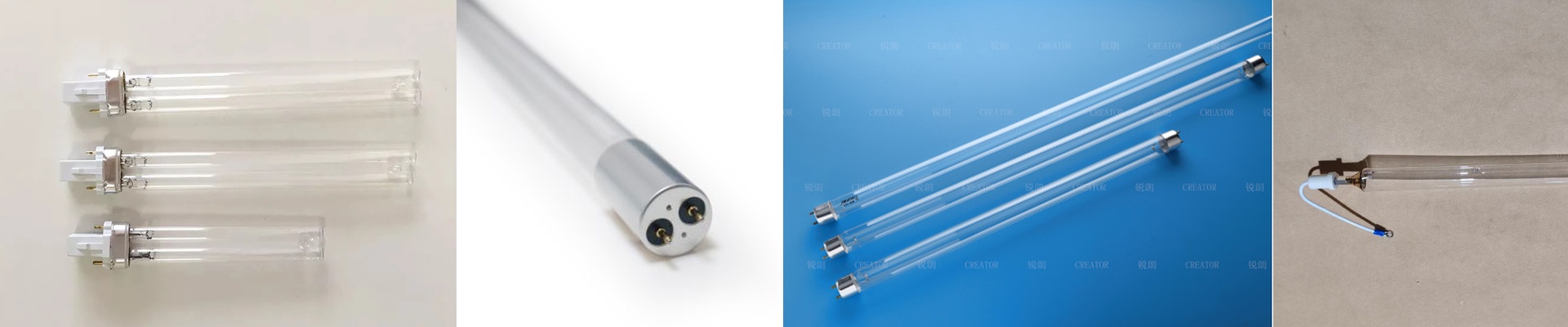
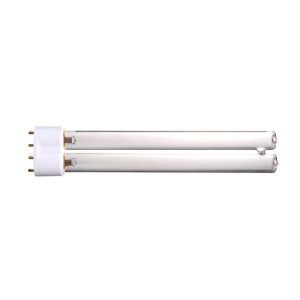
Getting UV Sterilization Right in Textile Printing
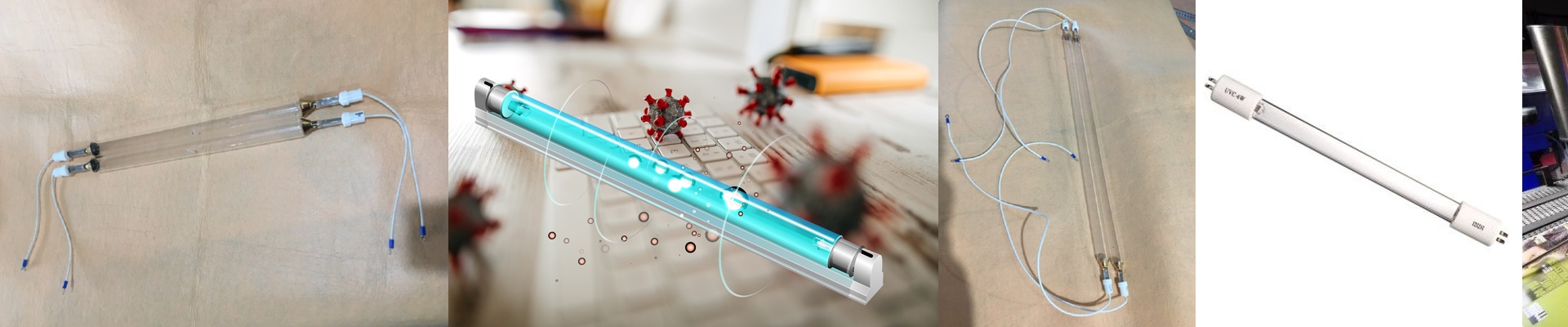
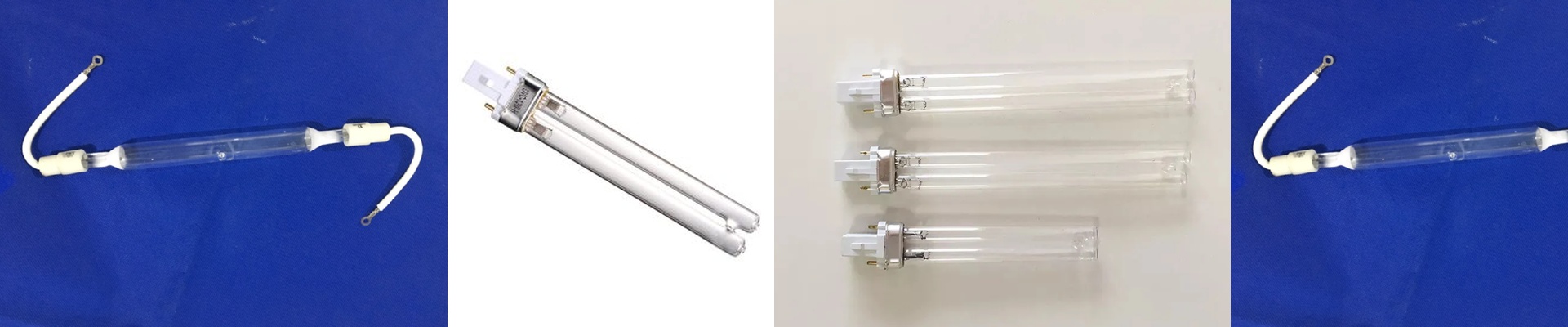
When you’re ordering germicidal UV bulbs in bulk for your textile line, you’re doing more than just buying some lights. You’re basically setting up a shield for your fabric and a way to lock your ink in place. It’s the difference between a crisp, clean print and a mess that smells like mildew.
The Nitty-Gritty on Wavelengths
We tune these bulbs to hit that 253.7 nm sweet spot. Why? Because that’s exactly where microorganisms stop being able to function. But here is the thing: you have to watch your line speed. If you speed up the conveyor, you’re cutting the time the fabric spends under the light. To fix that, you either need more lamps or higher wattage. Sure, dialing back the power saves a few bucks on the electric bill, but it’s a gamble. You’ll end up with ink that smudges or migrates, and no one wants to deal with those returns.
Quartz and the Heat Problem
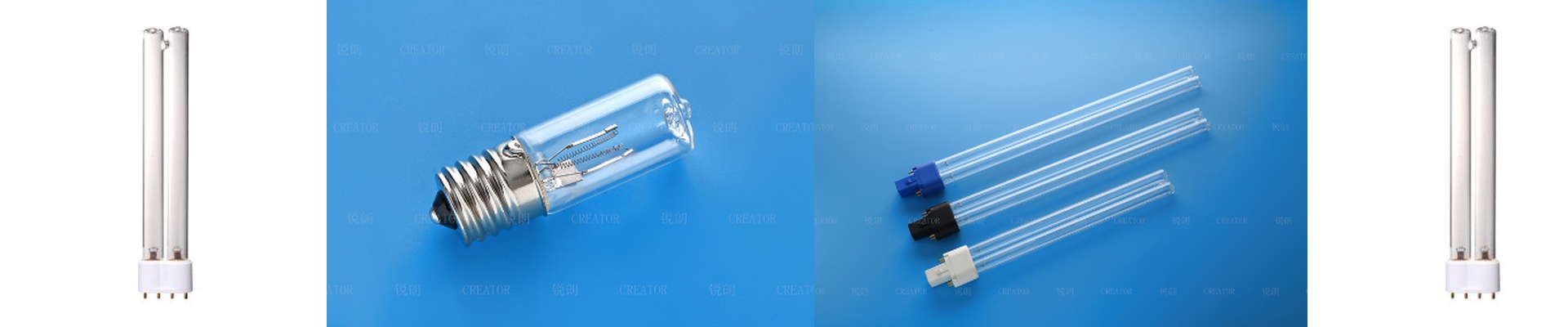
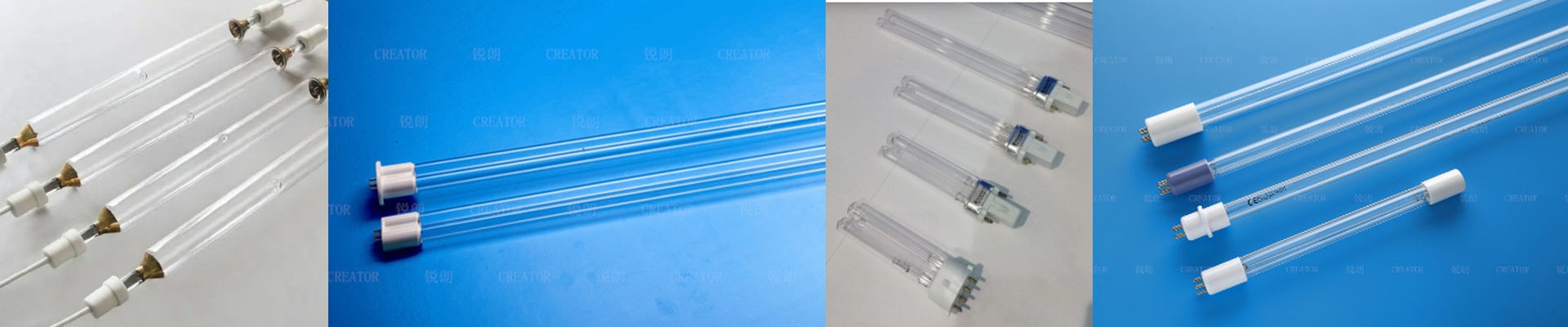
We use fused quartz for the tubes. Regular glass is useless here—it just blocks the UVC. One thing to keep in mind: these things gethot. Really hot. If your cooling fans or air-knives aren’t up to the task, the quartz overheats and your UV output just tanks. I’ve seen plenty of tubes burn out way too early simply because the housing didn’t let the air breathe. Don’t let that be you.
Making it Work in the Real World
When you’re wiring a bulk setup, your ballast system needs to be rock solid. A single voltage spike can fry your lamps in a heartbeat. And when it comes to maintenance, don’t make the mistake of swapping every single bulb at once. It sounds logical, but it actually creates a headache. Instead, replace them in small batches. By staggering the replacements, you keep the UV intensity steady across the whole belt. If you don’t, you’ll get “striping”—those annoying lines where some parts of the fabric are scorched and others aren’t cured at all. Stick to a rotation, and your prints will stay consistent.