Getting Your PCB Lines Right with Gallium Iodide Lamps
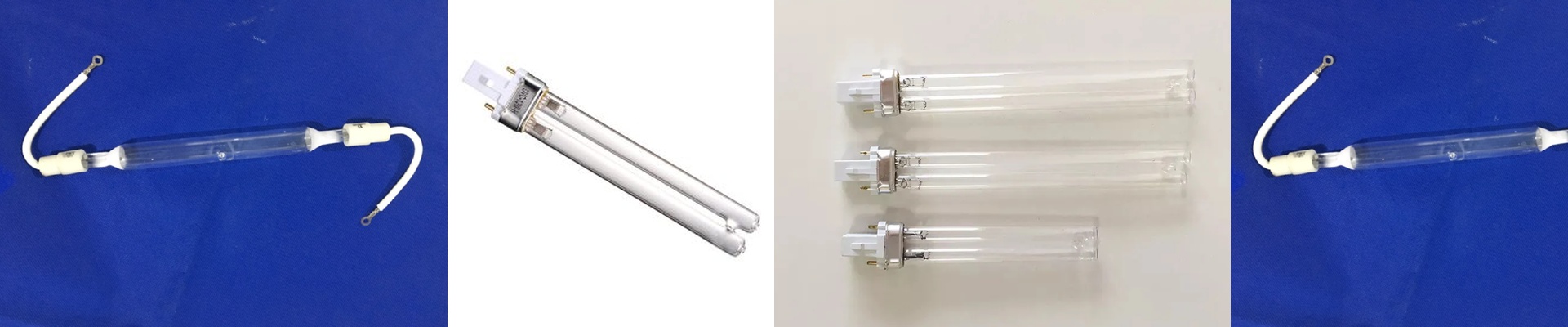
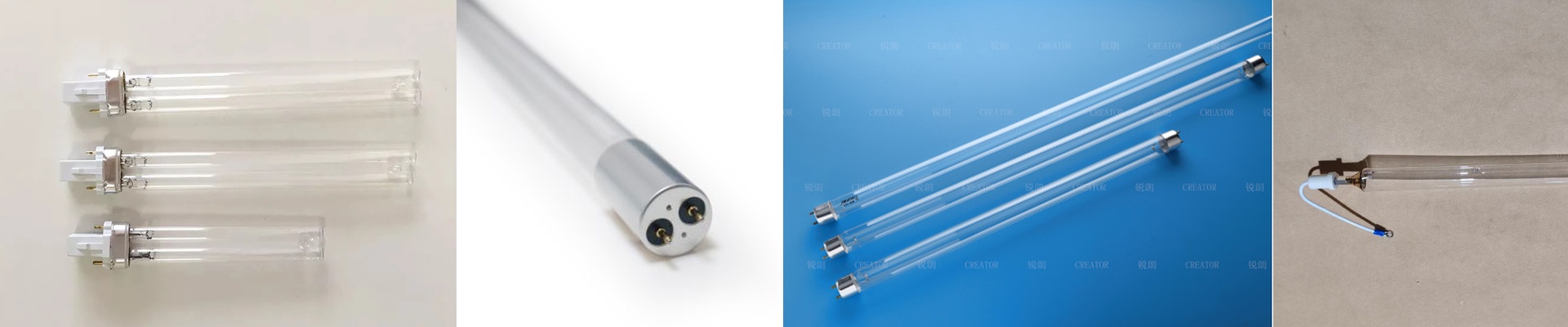
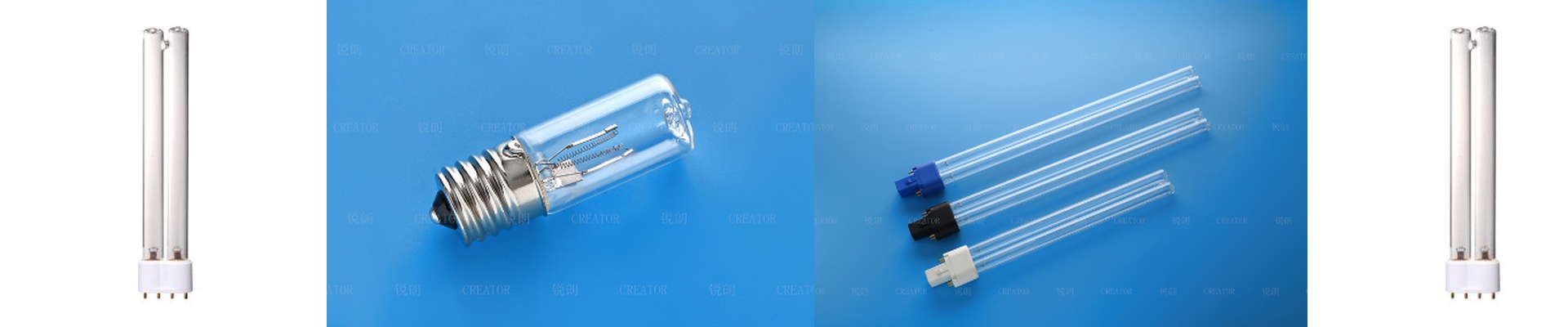
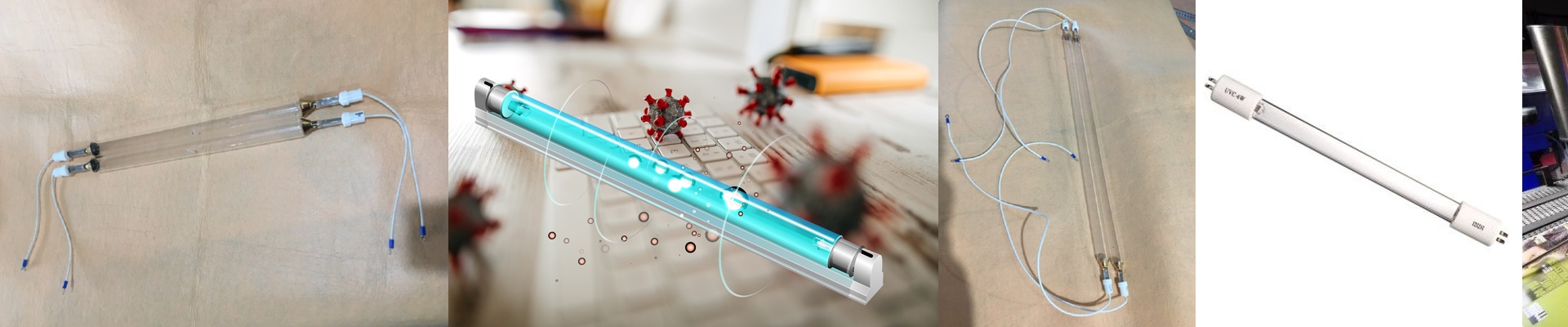
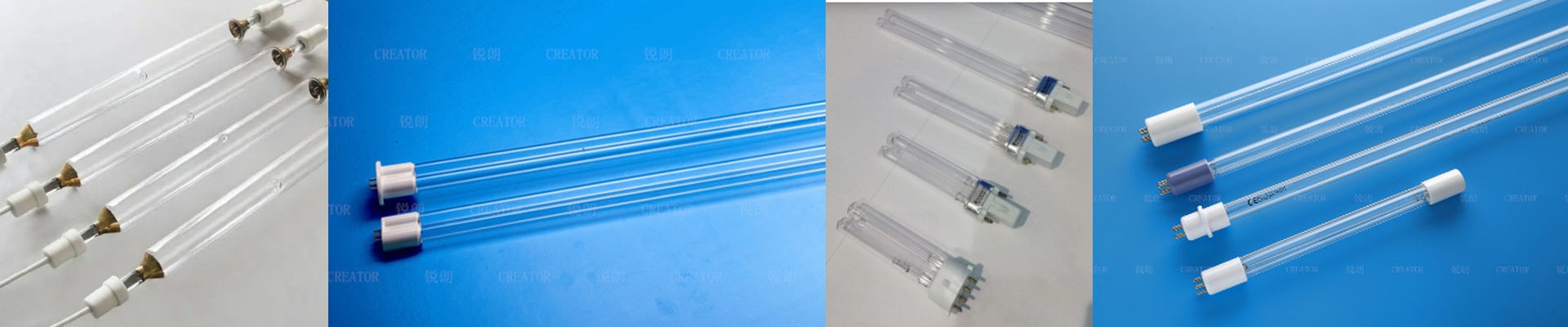
If you’re running a PCB shop, you know the headache of over-exposed photoresist. It ruins the board and kills your yield. That’s where Gallium Iodide (GaI) lamps come in. These things are specialists. They hit that 253.7nm UV-C wavelength with a level of focus you just don’t get from a standard mercury lamp. Because the light is so concentrated, you aren’t dealing with that messy “spectral bleed” that blurs your lines. It’s the difference between using a fat marker and a fine-liner pen. When you’re fighting for every micron on a circuit pattern, that precision is everything. Speeding up the floor Here’s the best part: they’re fast. Really fast. The energy density is so high that the chemical reaction in the photoresist happens almost instantly. For you, that means your tact time per board drops. You get more product moving through the line without sacrificing the quality of the traces. The hardware side of things Fitting these into your conveyor system is usually pretty straightforward. Most of the time, they just slide right in. But you can’t just “set it and forget it.” You’ll need a solid high-voltage starter and a ballast that actually knows what it’s doing, otherwise, you’ll burn through your electrodes way too quickly. And please,watch your cooling. These lamps get hot. Like, really hot. If your chiller or fans aren’t up to the task, the tube temperature will spike. Once that happens, the light output shifts, your exposure timing goes out the window, and suddenly you’re staring at a batch of scrapped boards. A few tips for the shop floor If you’re swapping out an old UV system, just double-check that your power supply matches the wattage. And do me a favor: check your quartz sleeves before you flip the switch. If there’s any gunk or fingerprints on the glass, that contamination absorbs the UV-C energy. That creates a hot spot, and the tube can actually crack. It’s a bit of a trade-off. You get incredible resolution and a faster workflow, but you have to be a lot more disciplined about cleanliness and heat than you were with your old lamps. Worth it? Absolutely. Just keep it clean and keep it cool.