What Actually Happened at the 2026 Printing Expo
We didn’t build these UV modules to look pretty in a showroom. We built them for the grit and noise of the shop floor. When people stopped by our booth at the 2026 Printing Expo, they weren’t asking about “innovation”—they were asking how to stop their high-speed lines from bottlenecking at the curing stage. That’s the real headache, right?
Getting the power right
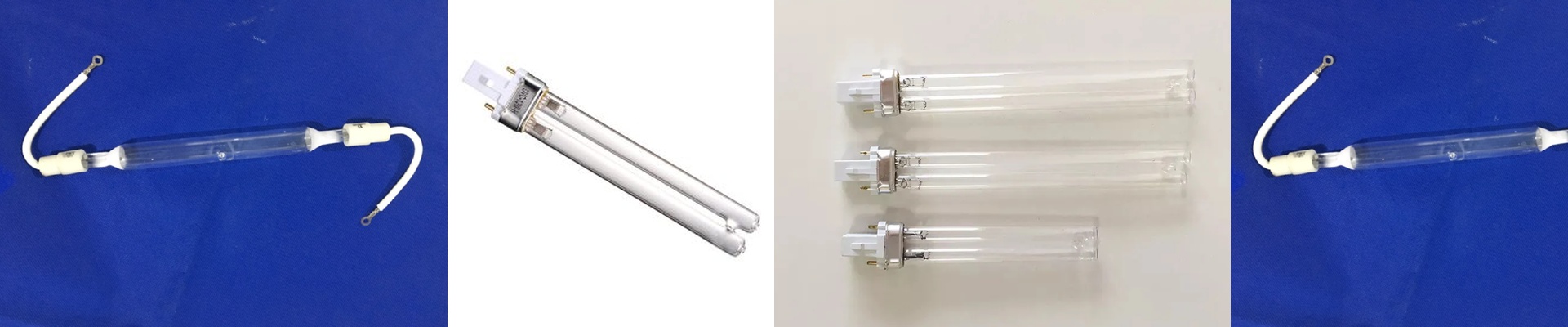
Here’s the thing: your ink is different from mine. That’s why we don’t do “one size fits all.” We look at the specific photo-initiators you’re using and tweak the gas fill and electrode geometry to match. If you need deep curing, we go narrow-band. If you just need the surface to tack up quickly, we go broad spectrum. And yeah, if you want to crank up your line speed, we can bump the wattage. But a word of caution: more power means more heat. You’ll want to make sure your chiller can actually handle that load, otherwise, you’re just going to end up with warped substrates and a bad day.
Built to take a beating
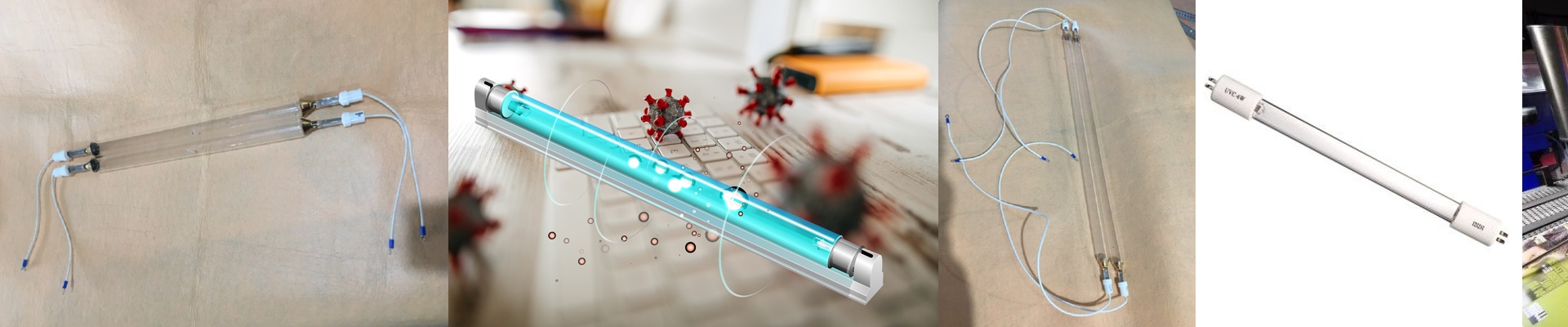
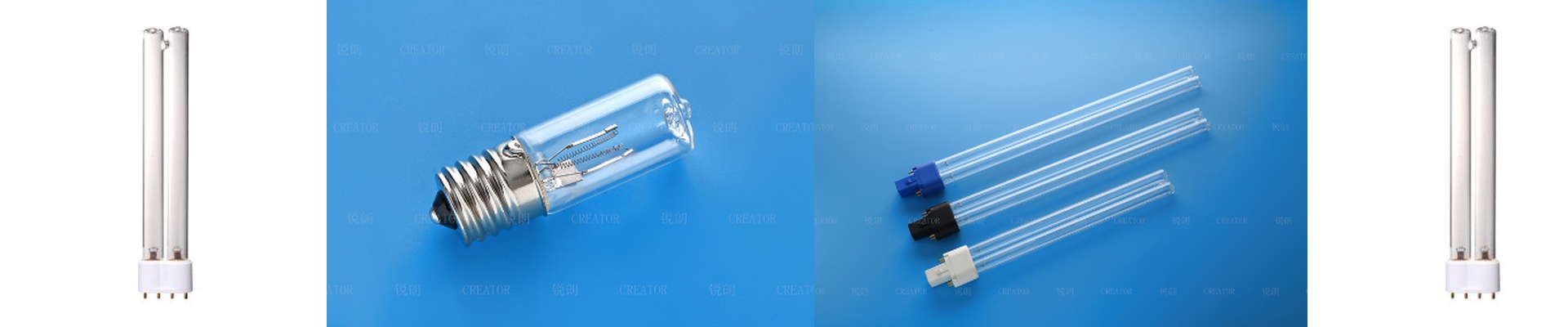
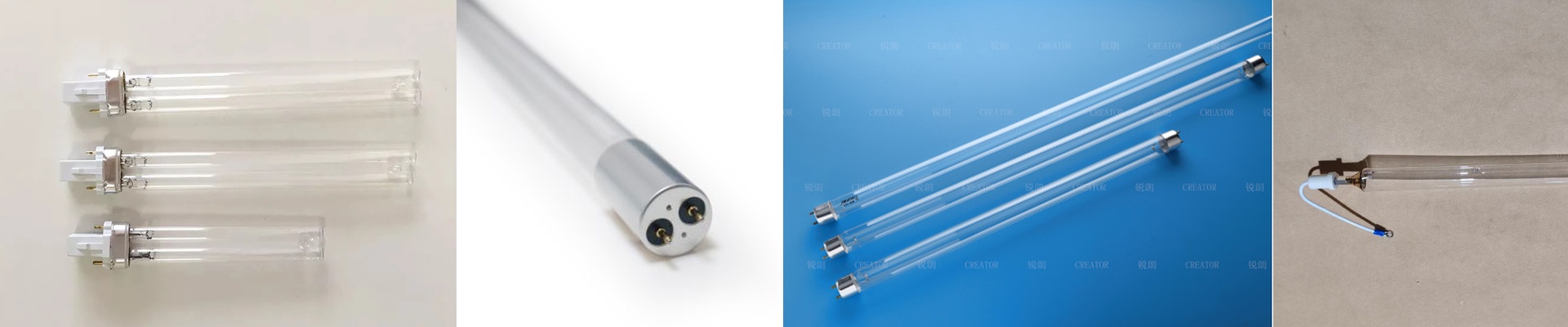
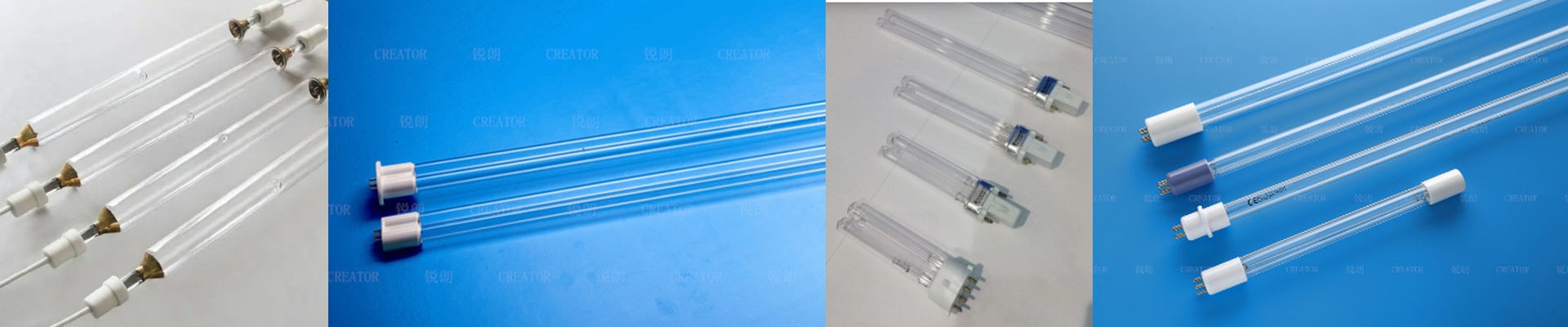
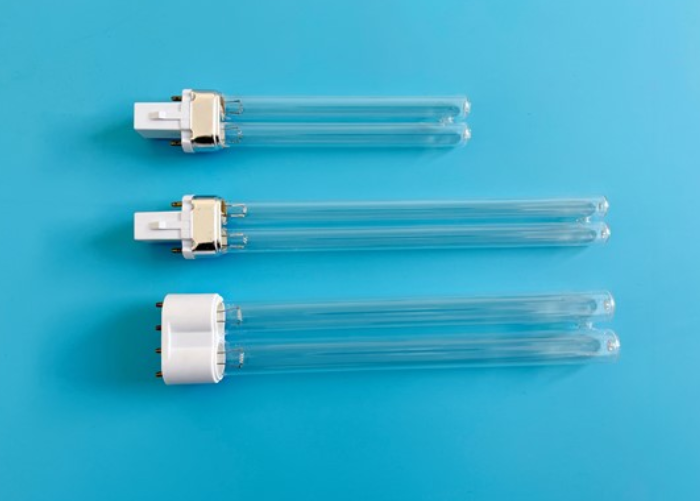
We got tired of those rigid, clunky housings. So, we switched to a plug-and-play footprint. It’s a lifesaver. Instead of tearing out your entire conveyor just to fix one burnt-out lamp, you just swap the module and keep moving. We also stopped using those flimsy connectors. In a 24/7 production environment, machines vibrate. A lot. We’ve seen way too many “off-the-shelf” lamps die simply because the wiring couldn’t handle the shaking. Ours stay put.
No more “cold spots”
There’s nothing worse than pulling a batch off the line only to find smudges because the curing was uneven. It’s a waste of material and a waste of time. To fix that, we spent a lot of time on the reflectors. We wanted a flat UV profile from one edge of the web to the other. No dead zones. No surprises. If you’re still running those old, power-hungry mercury systems, this is a pretty easy swap. You get faster speeds and you spend way less time messing around with lamp changes. It’s not some miracle. It’s just tight tolerances and keeping the heat under control.