Stop Guessing With Your UV Lamps
For a long time, installing Quartz UV tubes has been a bit of a guessing game. You plug them in, they glow, and you just hope they’re doing their job. The problem is, you usually don’t know a lamp is dying until your product isn’t curing right or your sterilization fails. By then, you’ve already got a problem on your hands. We’re moving past that. The new way of doing things is all about “smart” lamps—basically, putting the monitoring tools right into the ballast and the tube.
How the monitoring actually works
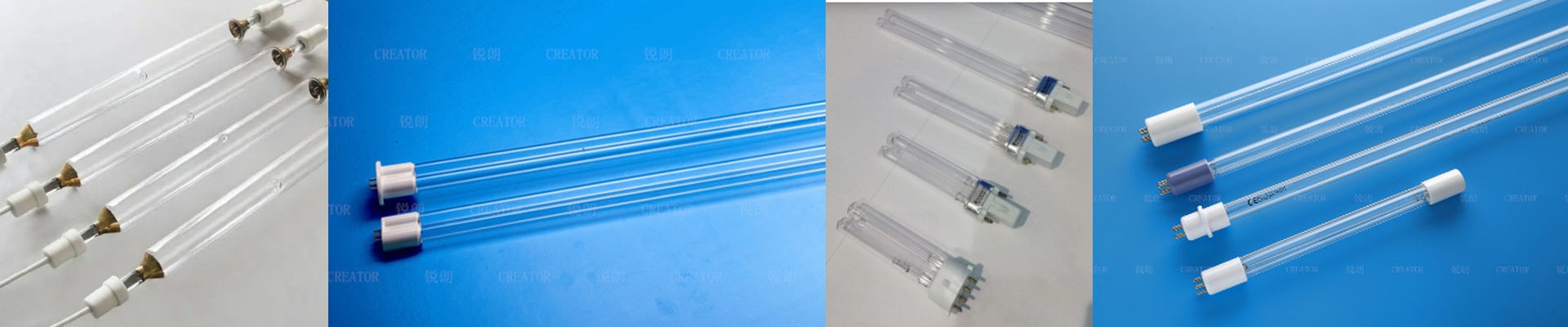
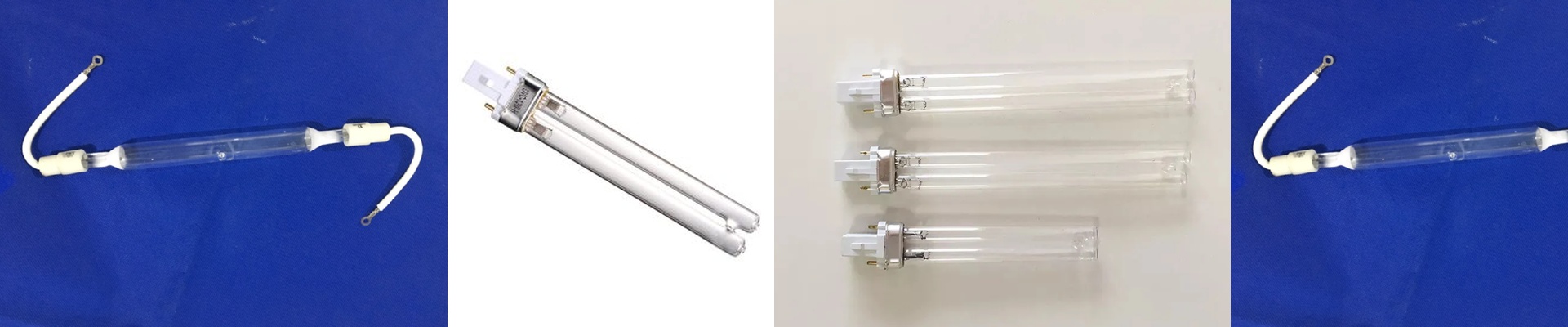
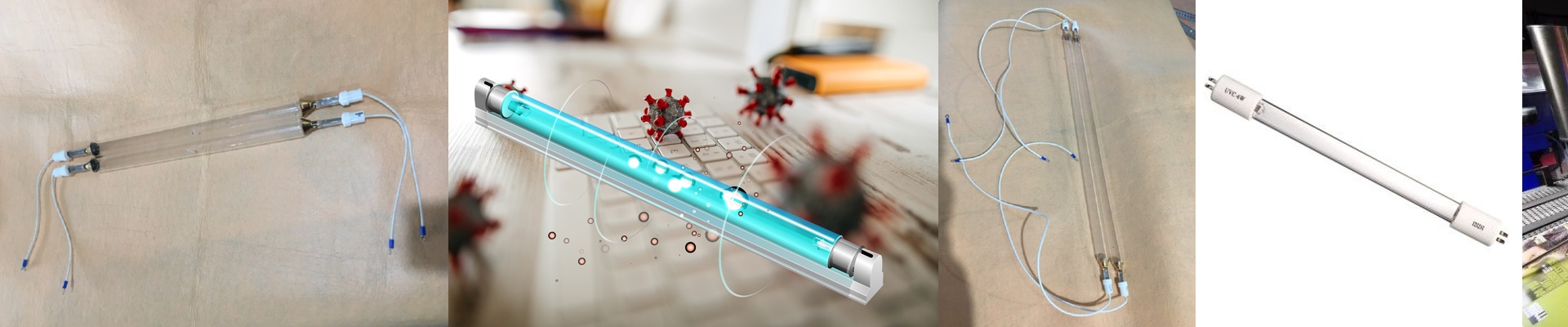
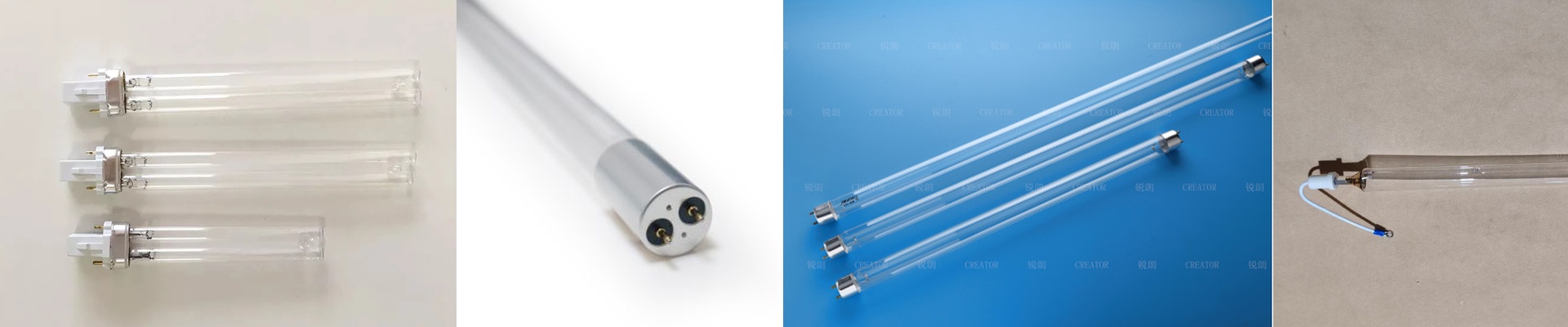
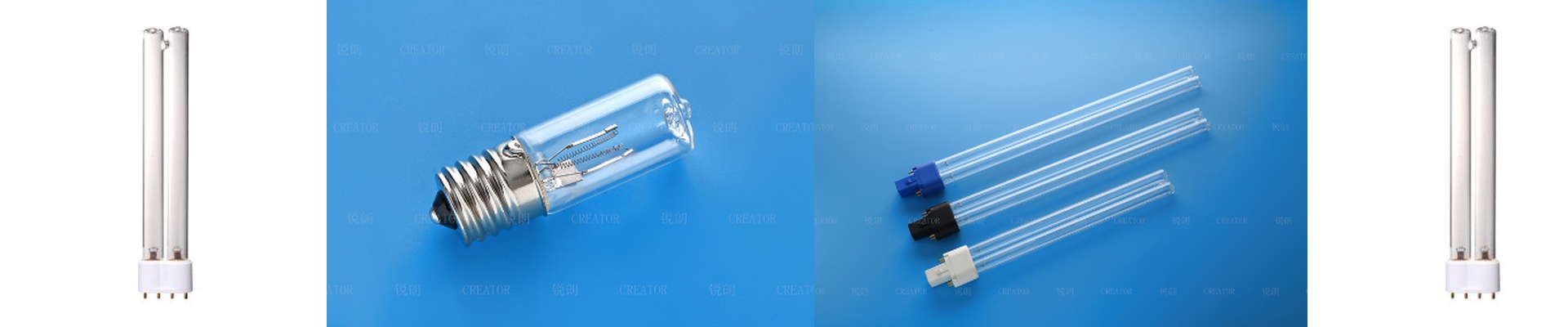
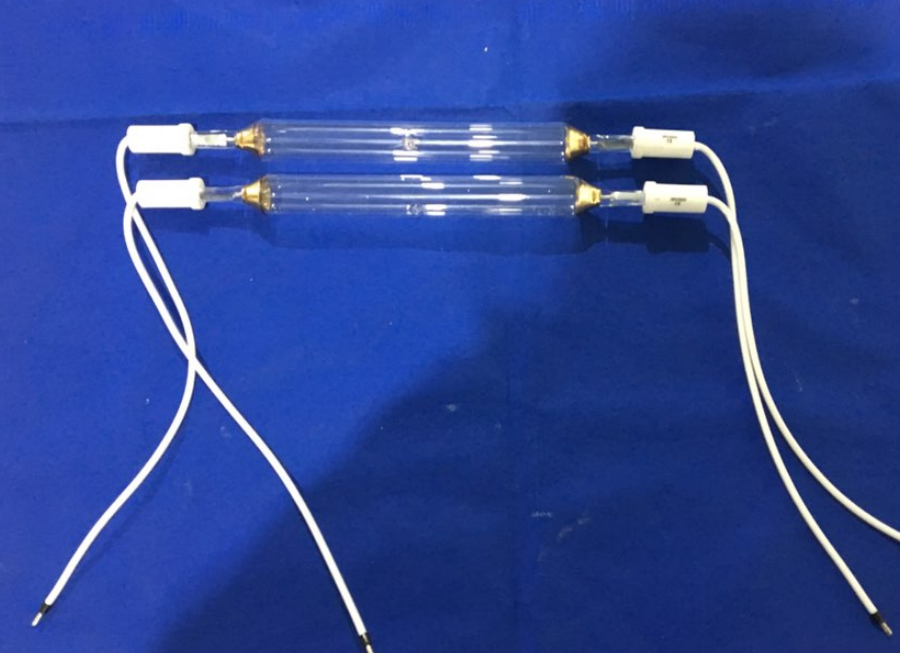
Think about a standard quartz tube. It runs on a set wattage and voltage. Once it’s wired up, it’s a black box. But when you add current sensors and an IoT gateway, you can actually see the power draw in real-time. If a lamp starts to flicker or the energy levels shift, the system pings you. It happensbeforethe line goes down. This isn’t about having a pretty dashboard to show off to the boss. It’s about the gritty details—like lumen depreciation. We keep an eye on the voltage drop across the quartz envelope so you know exactly when a tube is about to give up the ghost.
The tricky part: Heat and Noise
Quartz is great because it lets UV light through perfectly. But those high-wattage tubes gethot. Really hot. If you put the sensors too close to the arc, the heat messes with the data. To fix that, we tuck the electronics into their own heat-shielded modules. It keeps the data clean. There’s also the issue of electrical noise from the ballast. If the shielding is cheap, your readings will jump all over the place, and you’ll be chasing “ghost” alerts all day. It takes a bit of finesse to get the sensitivity just right.
The trade-offs
Nothing is perfect. Adding this tech means your control cabinet is going to be a bit bigger. And yeah, you’re adding a new point of failure: the network gateway. If your factory Wi-Fi decides to take a nap, you lose your data stream. Now, the lamps will still keep running—you won’t be in the dark—but you lose that “smart” visibility. It really comes down to your network. If your connection is shaky, the extra cost might not feel worth it. But if your network is solid? It’s a huge relief to stop wondering if your lamps are actually working.