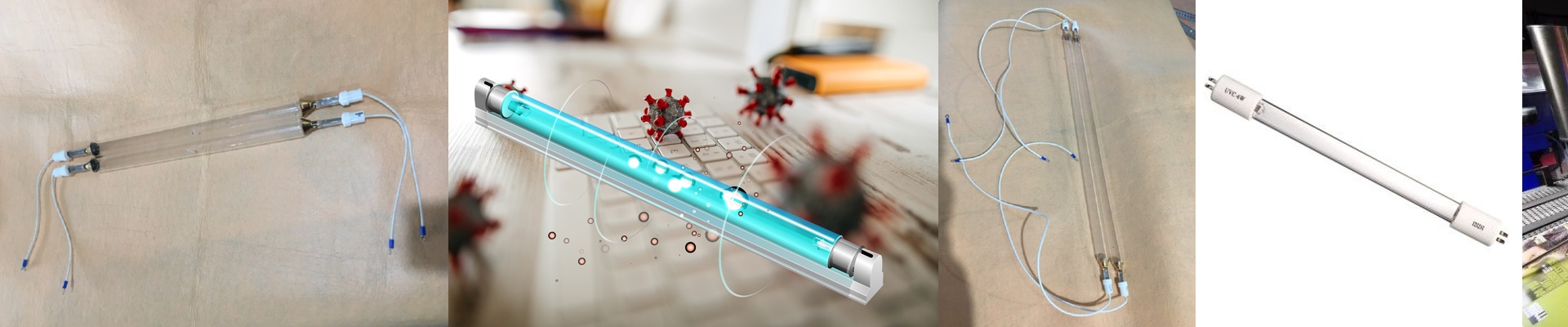
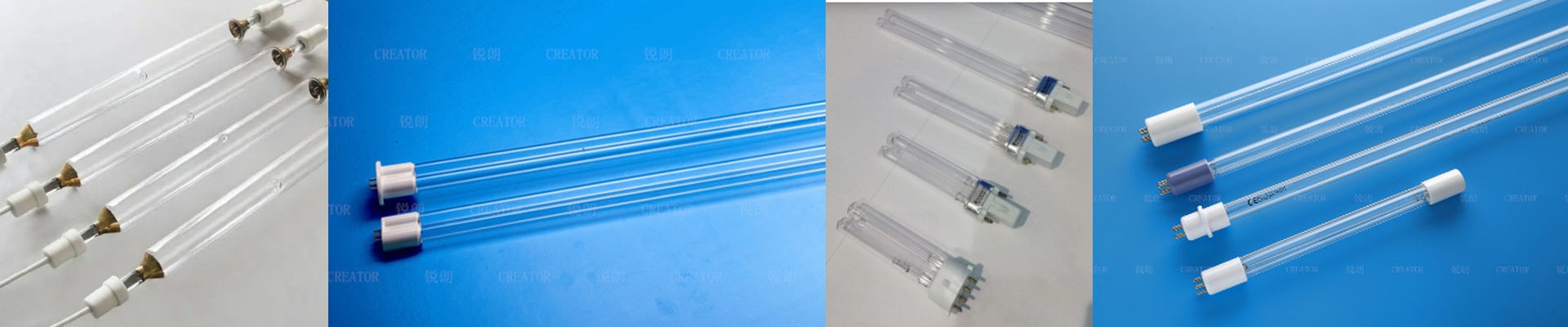
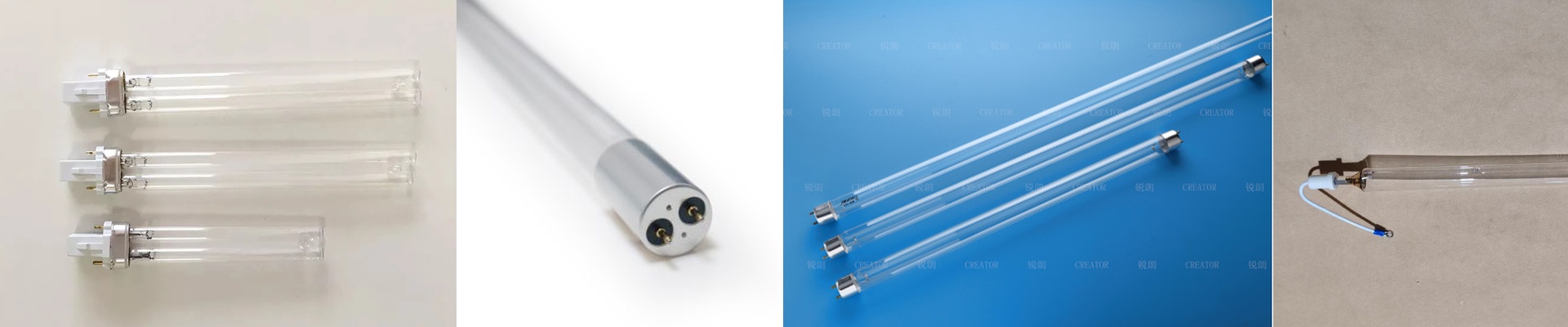
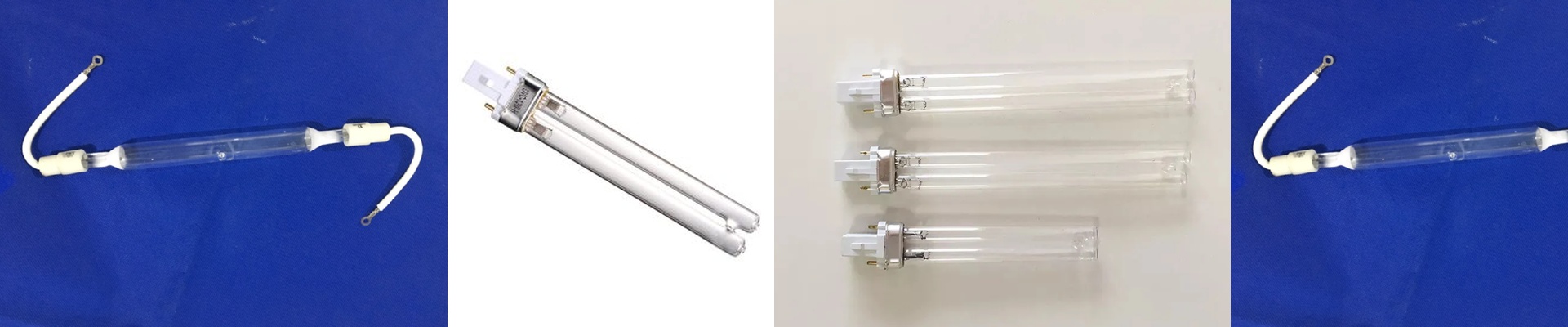
Making UV Germicidal Lamps Actually Smart
Most UV-C lamps are pretty basic. You wire them in, set a timer, and then basically just cross your fingers. You hope they’re still killing germs at the right strength, but you won’t actually know for sure until someone goes in to check them manually. It’s a lot of guessing. We figured there’s a better way, so we built energy monitoring right into the lamp’s power circuitry.
Stop guessing, start knowing
Here is the problem: UV lamps don’t just “pop” and die like a regular lightbulb. They fade. The quartz gets cloudy, the cathode wears out, and the UV output drops way before the light actually goes dark. By adding remote monitoring, we can keep an eye on power draw and voltage in real time. If the energy profile starts to drift, you’ll know the lamp is losing its punch. Instead of swapping tubes on a random schedule, you just replace them when the data tells you they’re actually worn out.
The tricky part
Adding sensors and chips to a UV system isn’t as simple as plugging in a module. UV radiation is aggressive—it eats through plastic and fries circuit boards if they’re exposed. To fix this, we tucked the monitoring hardware behind shielded barriers. It makes the ballast assembly a bit bigger, sure. But it means your electronics won’t crumble after a few months of work. It’s a small trade-off for a system that actually lasts.
Why this matters for your wallet
When people talk about “saving energy,” they usually just mean using a lower-wattage bulb. But for us, it’s about precision. Most facilities blast their spaces with way more radiation than necessary just to make up for the fact that they don’t know how much their lamps have decayed. It’s wasteful. With remote monitoring, you can run your system at the exact dose you need. No more, no less. This puts less strain on your electrical panels and helps the lamps live longer. If you’re managing a hundred units across a plant, those kWh add up fast. Plus, you get a clear map of exactly where you’re wasting power and which lamps are about to give up the ghost.