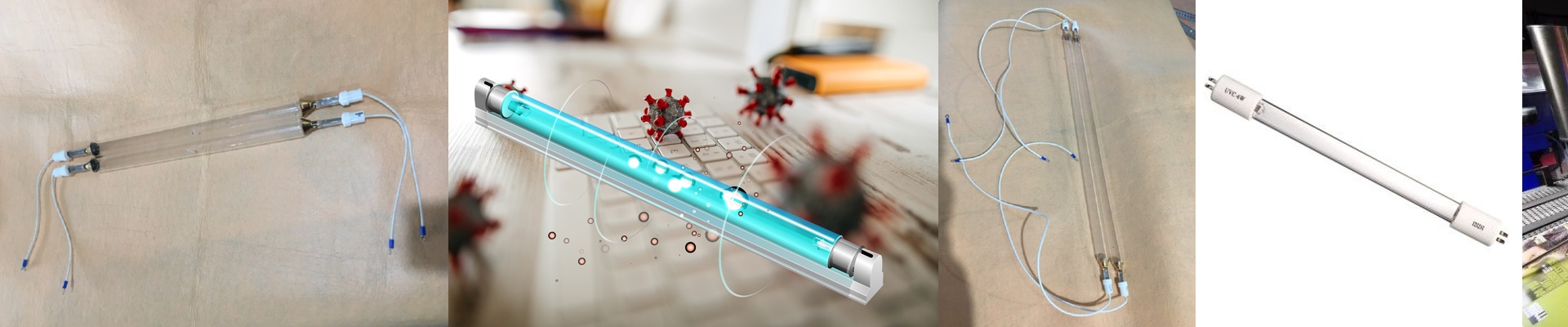
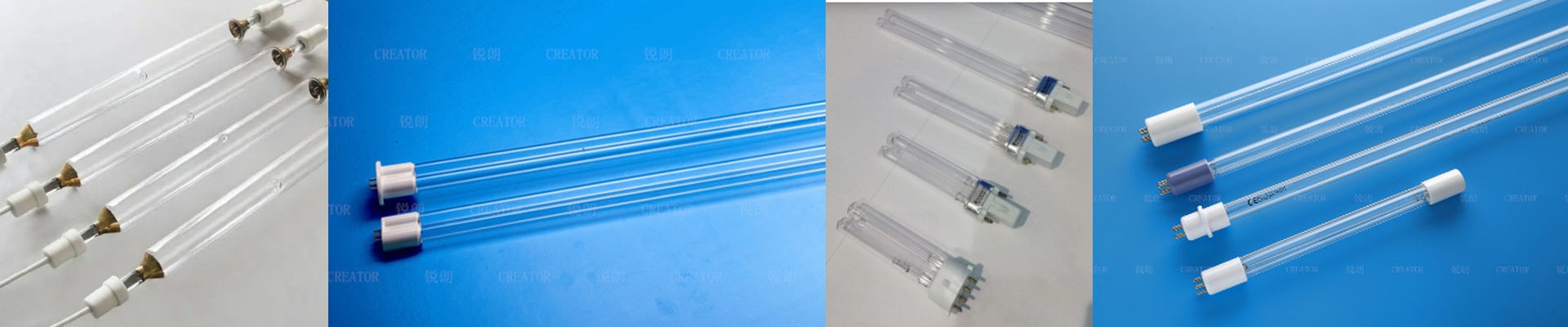
Stop Just Buying Bulbs. Start Designing Your Cure.
Most suppliers just toss a bulb and a ballast in a box and call it a day. But here’s the thing: a UV lamp isn’t just a part you swap out. It’s a huge variable in your entire production line. If you’ve ever dealt with that annoying “tacky” finish on a print or a textile that just won’t fully cure, you know the frustration. Usually, that comes down to the light hitting the surface—or rather, not hitting it the right way.
Getting the Specs Right
We don’t do “one size fits all” wattage. That’s a recipe for disaster. Instead, we look at how fast your conveyor is actually moving. Sure, cranking up the wattage gives you more photon density, which means you can speed up the line without worrying about wet ink. But there’s a catch. If you push too much power into a short tube, things get hot. Fast. If your cooling system can’t keep up with that heat, you’re going to burn out the lamp ends or warp your reflectors. It’s a balancing act.
The Nitty-Gritty: Glass and Wavebands
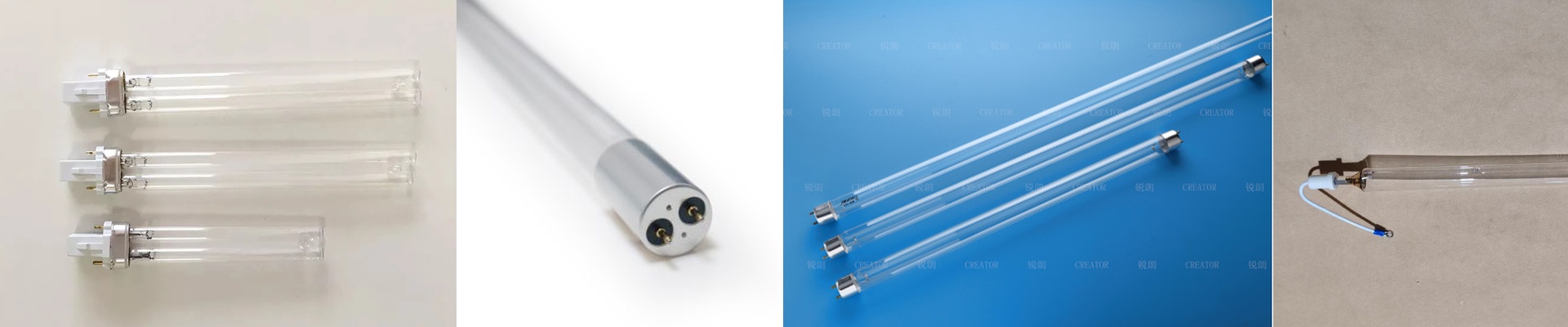
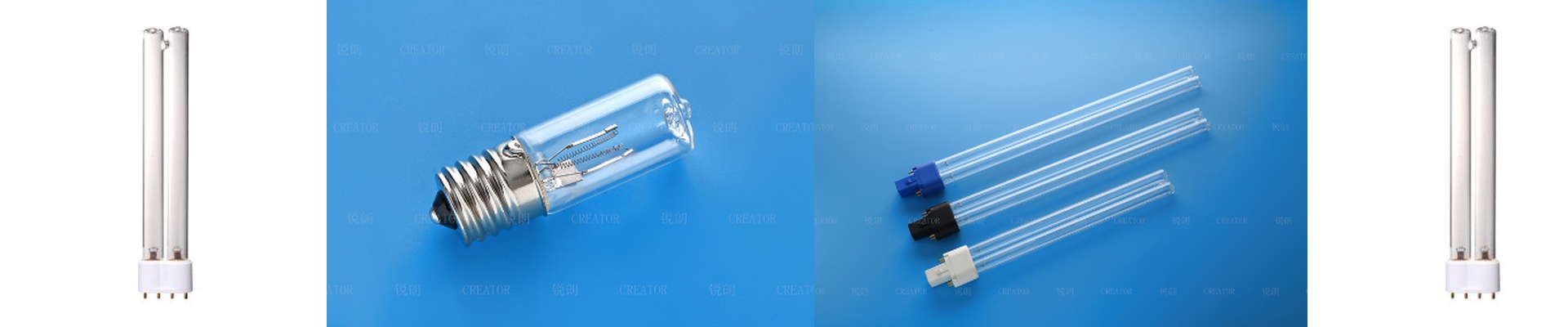
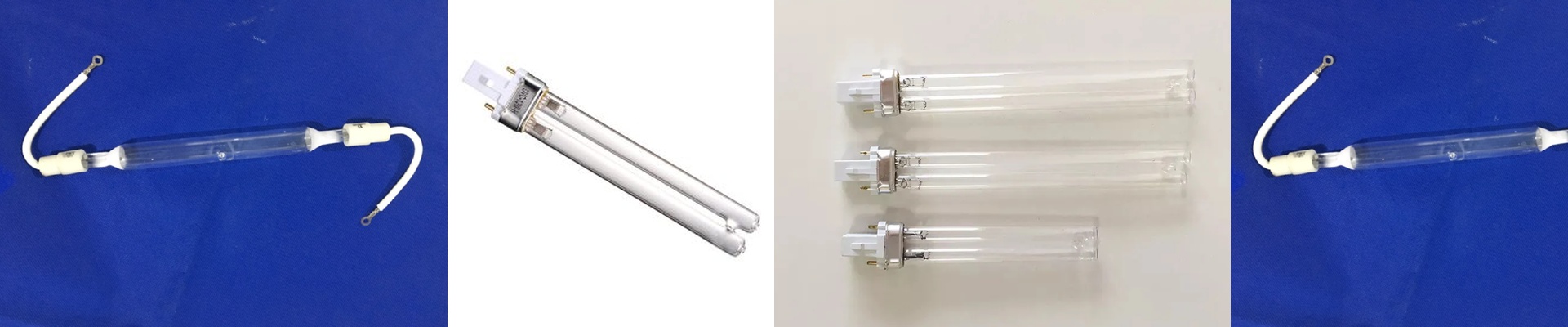
The type of quartz glass and the dopants we use decide exactly which wavelengths hit your ink. Need a deep cure for thick layers? We lean into longer wavebands to get through the bulk. Just need a quick surface flash-off? We shift the peak. We also make sure the lamp actually fits your existing housing. No one wants to spend their afternoon rigging up makeshift adapters on the shop floor, so we handle the wiring and connectors before it even leaves our door. It just drops in.
It’s About the Whole Picture
A great lamp is useless if it’s not set up right. We look at your ink chemistry and that tiny gap between the lamp and your material. If that gap is too wide, you lose all your intensity. Too tight? You’ll scorch the material. We’ll work with you to tune those variables until they’re just right. The goal is simple: stop the scrap, stabilize your cure rate, and actually enjoy your workflow. We’re not here to just sell you a part—we’re here to make sure your process actually works.