Getting Your UV Curing Right: A Look at Gallium Iodide
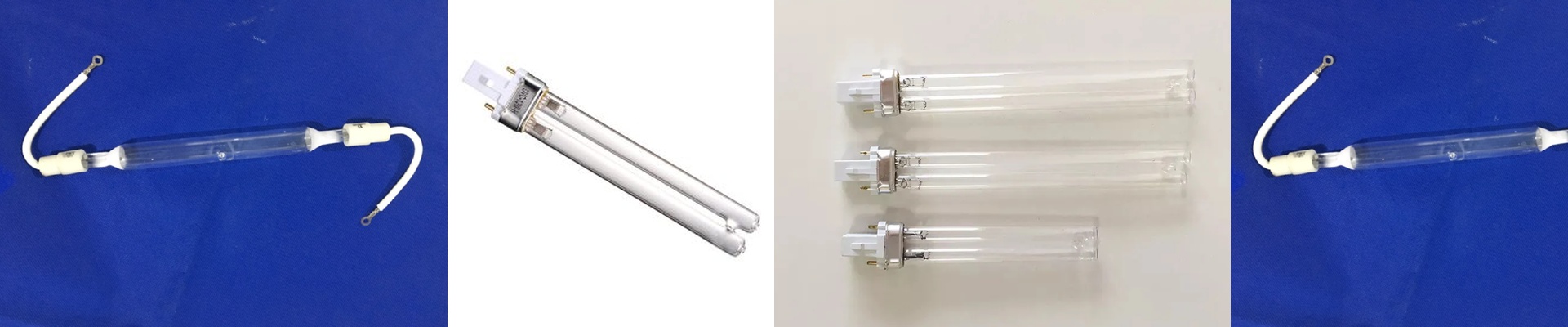
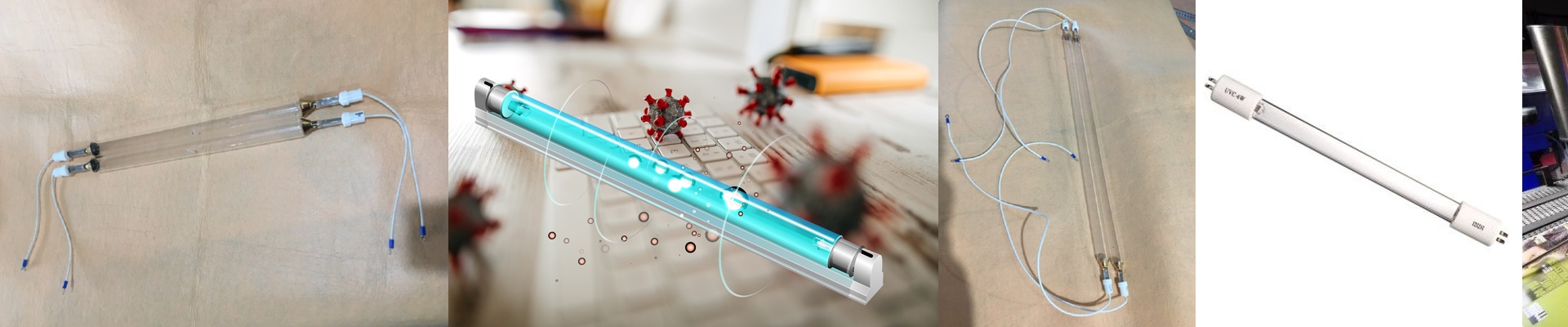
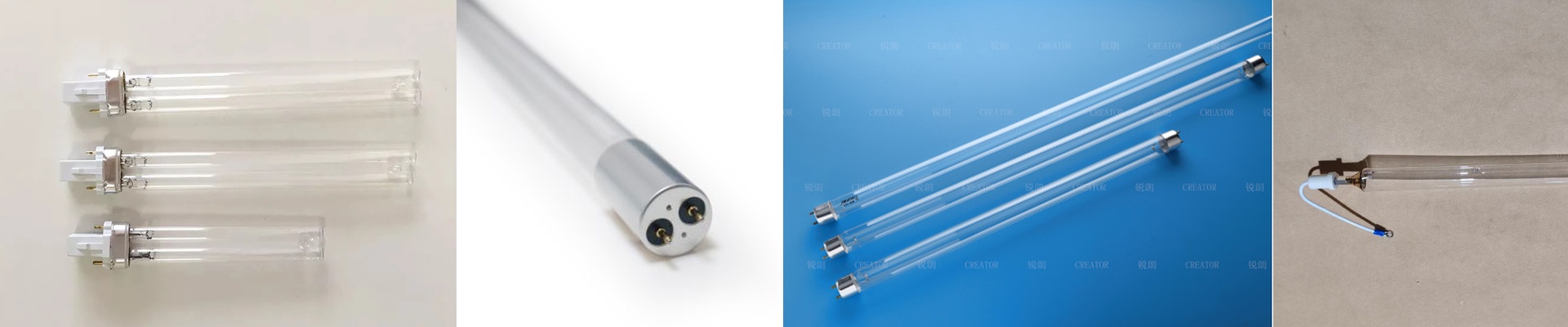
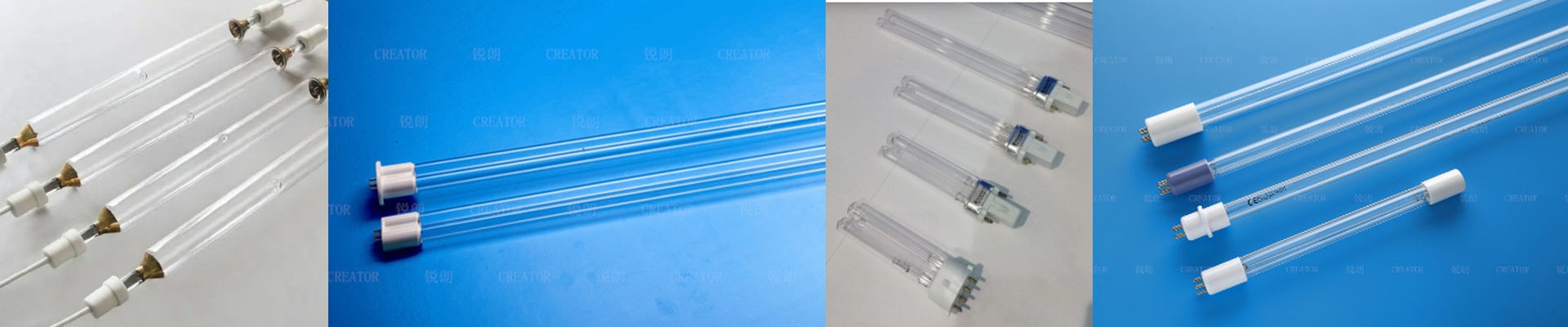
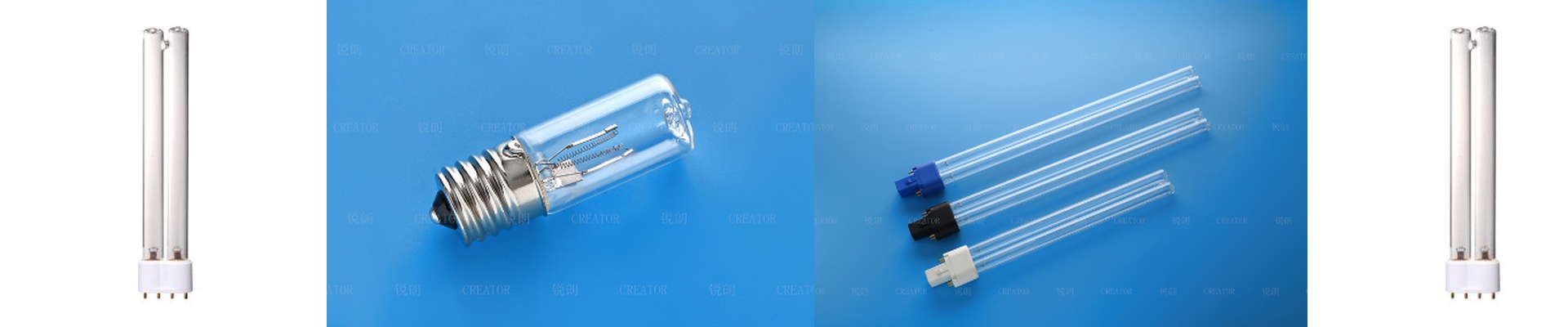
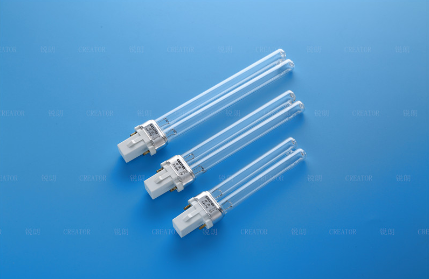
We spent some time at the 2026 Printing Exhibition showing off our custom Gallium Iodide (GaI) UV modules. Now, these aren’t your typical bulbs you just pick up from a catalog. We built them from the ground up because modern inks are demanding, and standard gear just isn’t cutting it anymore.
Why Gallium Iodide?
Here’s the deal with the physics. Most mercury lamps hit their peak at 254nm. That’s fine for some things, but we shifted the spectrum. By using Gallium Iodide, we get way more punch in the 300nm to 400nm range. Why does that matter? Because those wavelengths actually dig deep into thicker ink. If you’ve ever dealt with that annoying “surface-dry” issue—where the top looks perfect but the bottom is still tacky and ruins everything—this is how you fix it. It hits the photoinitiators that mercury lamps simply miss.
Dealing with the Heat
To get this kind of intensity, we have to push a lot of power. And as you can probably guess, that creates a ton of heat. We use high-purity quartz envelopes so the lamps don’t “solarize” or lose their strength after a few hundred hours. But you still have to be careful with your cooling. These things run hot. Really hot. If your conveyor cooling isn’t up to the task, you’re looking at warped substrates or burnt-out lamp ends. If you’re running your line faster than 50 meters per minute, do yourself a favor: go with integrated air-cooling or water-jacketed housings. It’ll save you a massive headache later.
Making it Work in the Real World
We wanted these to be easy. No one wants to spend a whole shift recalibrating a machine just because a bulb died. So, we designed them as drop-in replacements. We even beefed up the connectors because industrial presses vibrate like crazy, and loose connections are a nightmare. When a lamp finally gives up, you just swap the module and get back to work. No fiddling with focal distances, no fluff—just raw UV power that stays stable.