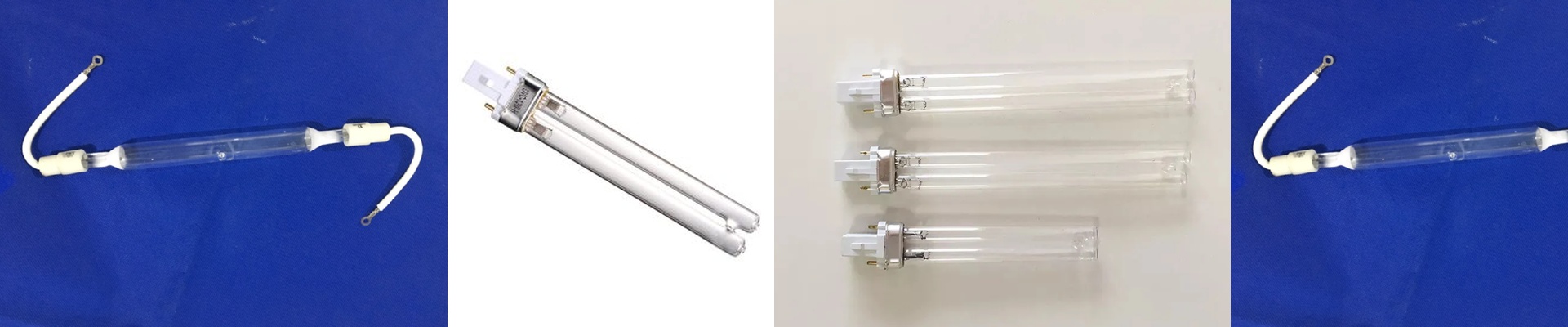
Let’s Talk About Custom UV Lamps (The Right Way)
Most suppliers just ship you a part and wish you luck. We don’t really work like that. We see ourselves more as your technical partners. After all, a UV curing system is only as good as how it plays with your specific ink chemistry and how fast your line is actually moving. Picking a lamp isn’t just about scrolling through a catalog and grabbing a wattage. It’s a balancing act between getting the right light output and making sure you don’t melt everything in sight.
Getting the Power Right
It all comes down to what’s happening inside that quartz envelope—the gas mix and how the electrodes are set up. We look at your required irradiance (the mW/cm²) and build from there. If you’re running a high-speed line, you need a punch of intensity that triggers polymerization in a fraction of a second. We tweak the arc length and pressure to hit that sweet spot. But here’s the thing: more power means more heat. If your airflow isn’t on point, that lamp is going to burn out way faster than it should. It’s a trade-off.
The Quartz and the Heat
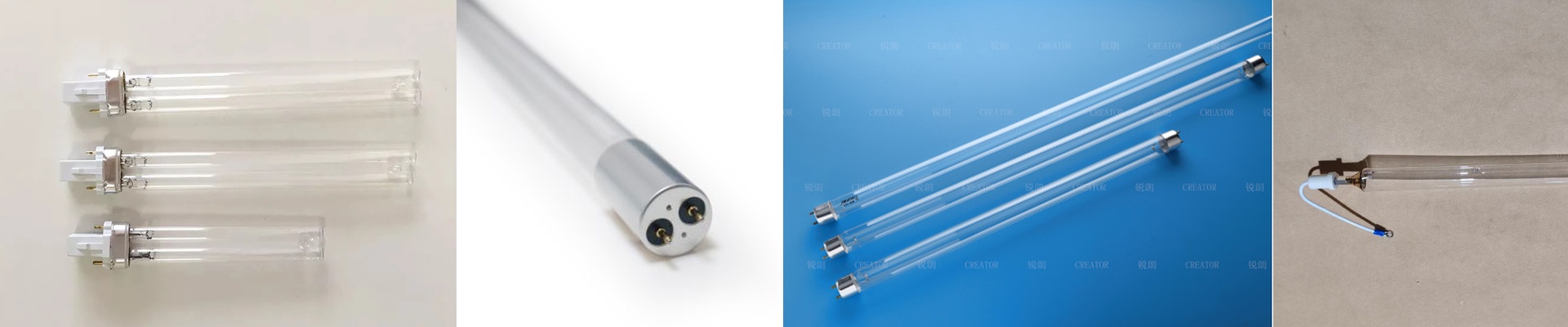
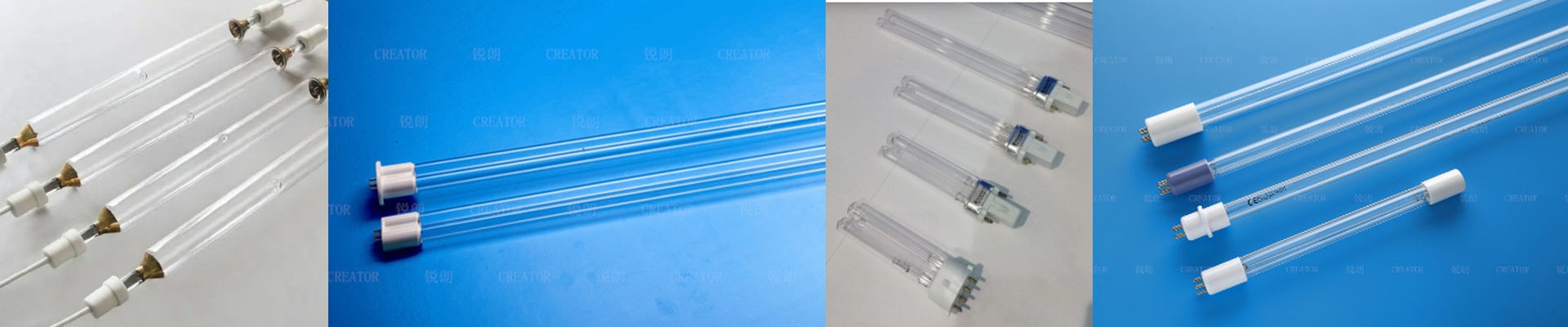
We use high-purity fused quartz because we want as much UV light as possible to get through without getting absorbed. Sometimes, depending on what you’re doing, we’ll add coatings to shift the wavelength or keep ink splatters from ruining the glass. You also have to think about the physical space. If the lamp is squeezed too tight into the reflector, heat builds up fast. If your cooling system can’t keep up with a high-wattage tube, you’re looking at warped substrates or a dead lamp. Not a great way to start the morning.
Making it Actually Fit
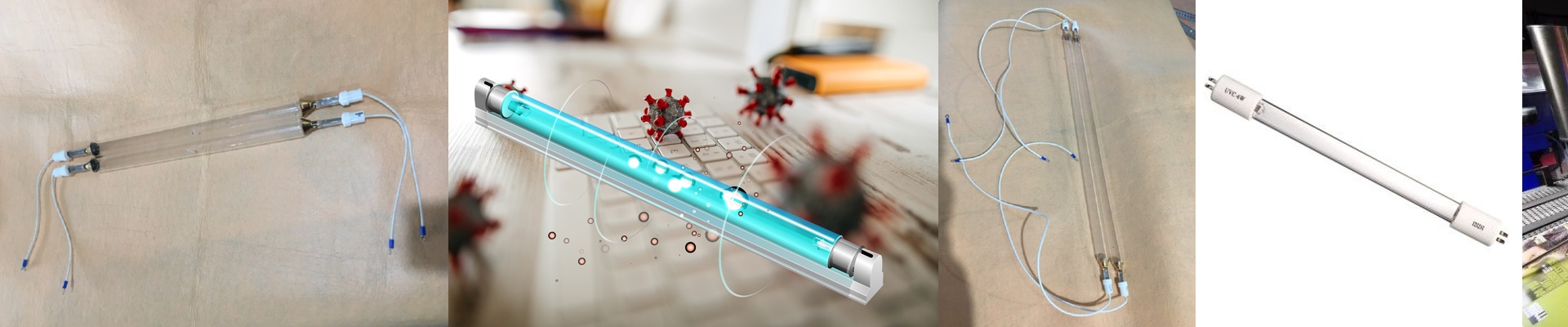
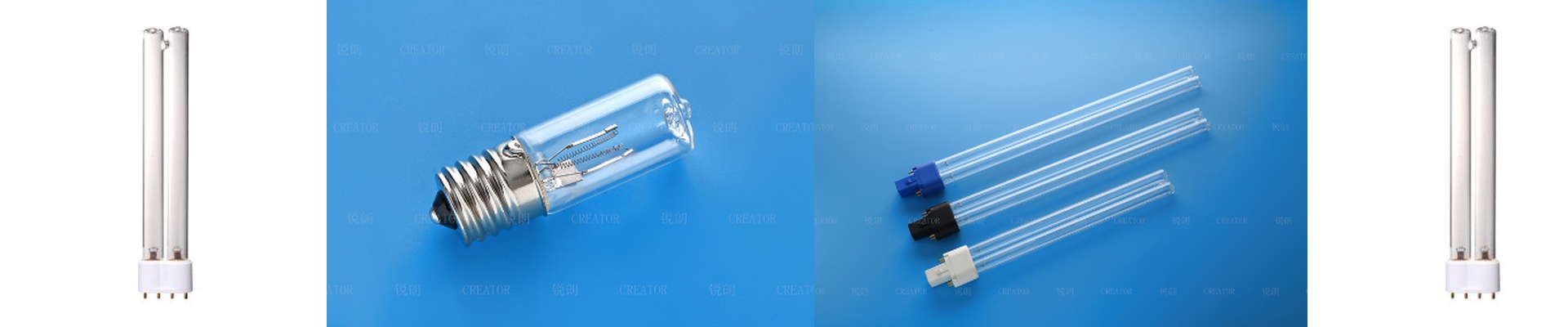
Whether you need a drop-in replacement or something totally custom for a new machine, the fit has to be spot on. We’re talking about exact end-cap dimensions and specialized connectors. If it’s off by a hair, the arc can get unstable. We also spend a lot of time on the electrical side. We want to make sure your ballast drives the lamp smoothly. No flickering. Why? Because flickering leads to “striping” in your prints, and nobody wants that. We’ll give you all the technical data you need to get it wired up and sync your conveyor speed with the lamp’s peak output. Simple as that.