Getting Your UV Curing Right (Without the Headaches)
Look, we do more than just mail you a replacement bulb. Too many shops treat UV lamps like generic lightbulbs you buy at a hardware store. But here’s the problem: if the wavelength or intensity is off, you end up with ink that stays tacky or, worse, substrates that actually scorch. We prefer to act more like partners. We’ll dig into your specific ink chemistry to make sure you’re getting the exact output you need.
Speed vs. Power: Finding the Sweet Spot
It all comes down to how fast your line is moving. If you’re cranking up the conveyor speed, you need more punch—more irradiance. We help you dial in that power density so the ink sets instantly, but without cooking your material. Now, higher wattage means you can push more product through the door. But there’s a catch. You’ve got to make sure your cooling fans or water jackets can actually handle that heat. If the lamp runs too hot, the quartz wears out faster and your output tanks. It’s a balancing act.
The Right Light for the Right Ink
Not all UV is created equal. Some inks need a deep soak to cure all the way through, while others just need a quick surface dry. That’s why we’re picky about the quartz grade and whether we need to “dope” the lamp to shift the spectrum. We’re focused on the actual delivery of UV-A, B, or C. Why? Because nobody wants “surface skinning.” That’s that frustrating nightmare where the top looks dry, but the ink peels right off the material because the light never hit the bottom layer.
Making it Actually Fit
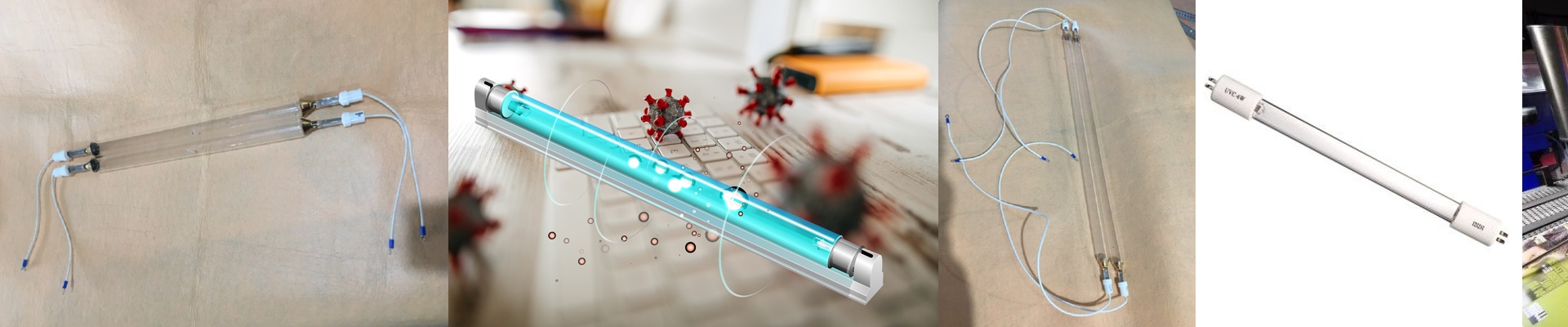
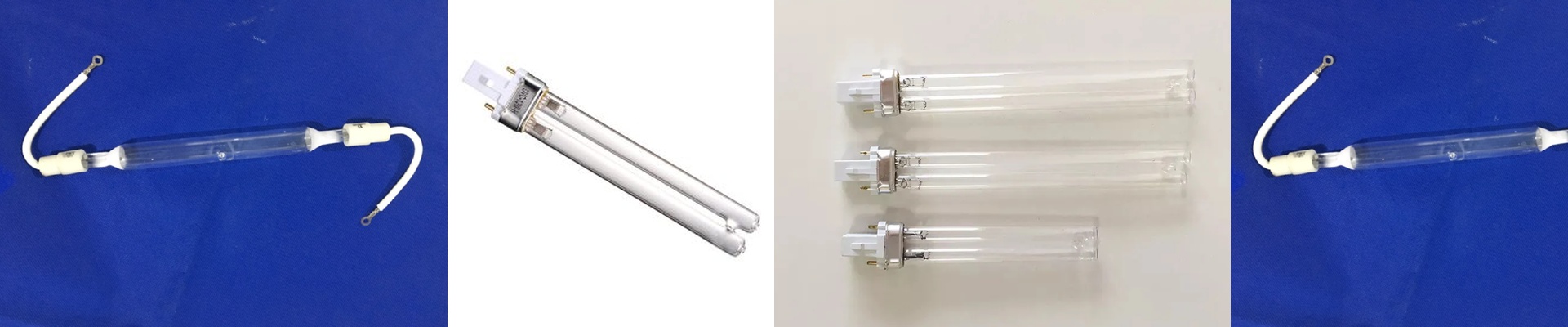
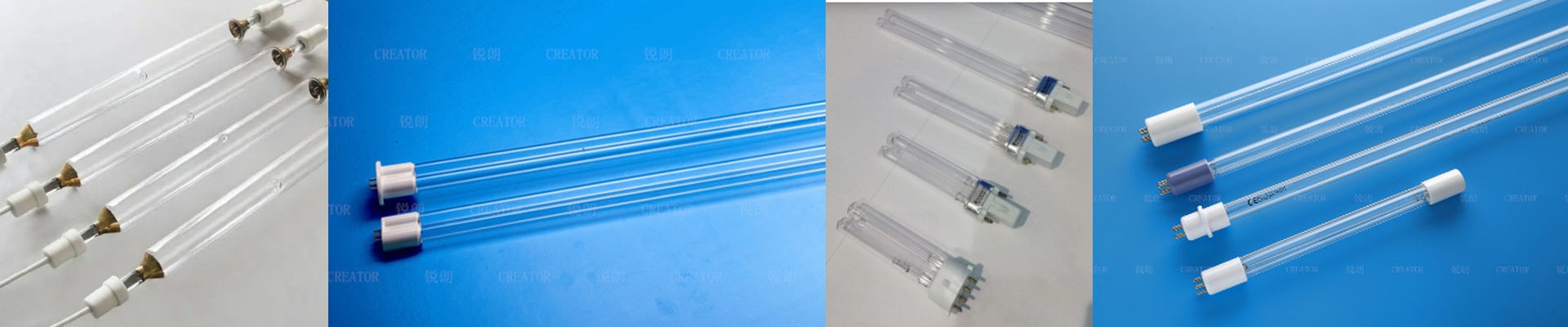
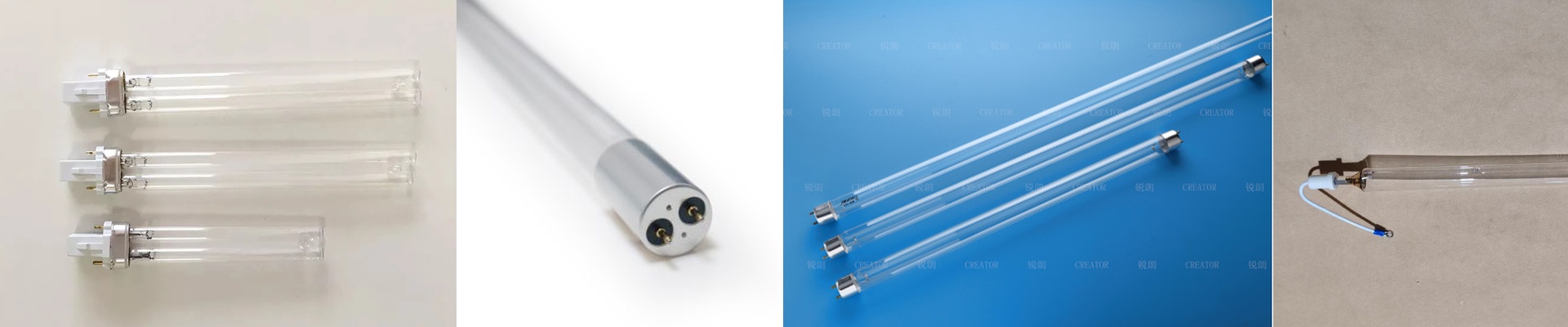
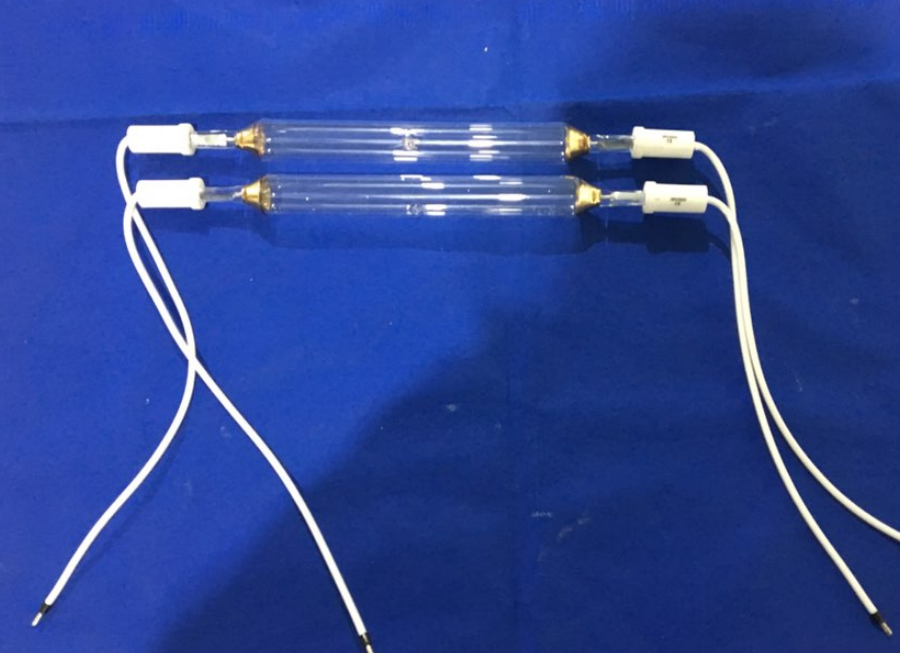
A fancy lamp doesn’t mean much if it doesn’t fit your rig. We provide drop-in replacements that match your current footprint. No weird gaps, no electrical arcing at the sockets—just a clean fit. But we also look at the bigger picture. Your curing chamber matters. If your reflectors are pitted or covered in grime, even the most expensive custom lamp is going to struggle. We’ll help you audit your whole setup to find exactly where you’re losing power.