Using UV Lighting in Your Textile Line
Most people think UV lamps are just for drying ink. But if you’re running a full textile line, they do a lot more. We’re talking about everything from tweaking the fibers themselves to the final touches on a garment. When we build these systems, we don’t just send you a generic lamp. We make sure it actually fits your machine’s footprint and—more importantly—that the wavelength plays nice with the chemicals you’re using.
Getting the Power Right
Here’s the thing: different stages of production need different levels of punch. For pre-treatment, you usually want low-pressure lamps just to wake up the surface of the fabric. But when you get to the finishing stage? You need the heavy hitters. High-intensity medium-pressure lamps are what you use to snap coatings or adhesives into place instantly. It all comes down to how fast your conveyor is moving. If you’re cranking out 50 meters per minute, you need more wattage per centimeter. Otherwise, the fabric hits the rollers before it’s actually cured, and that’s a mess nobody wants to clean up.
The Nitty-Gritty Hardware
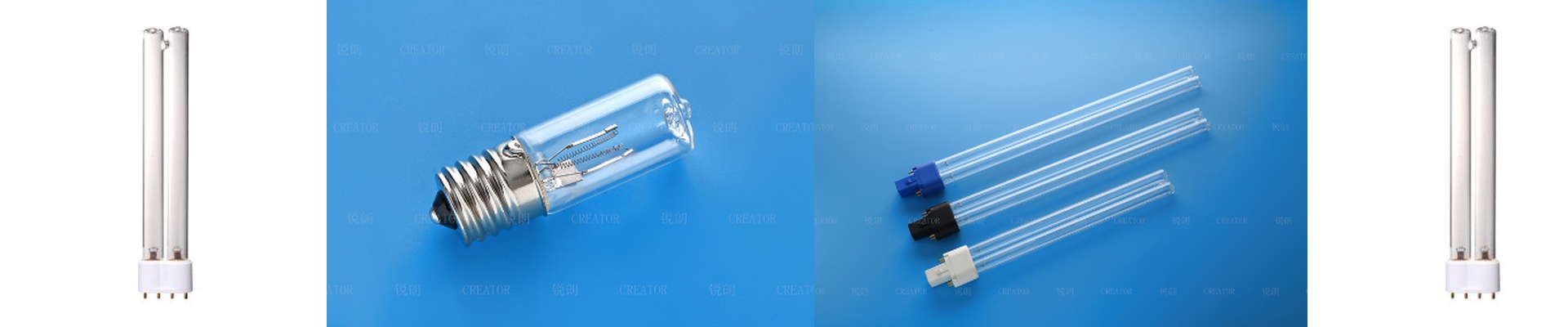
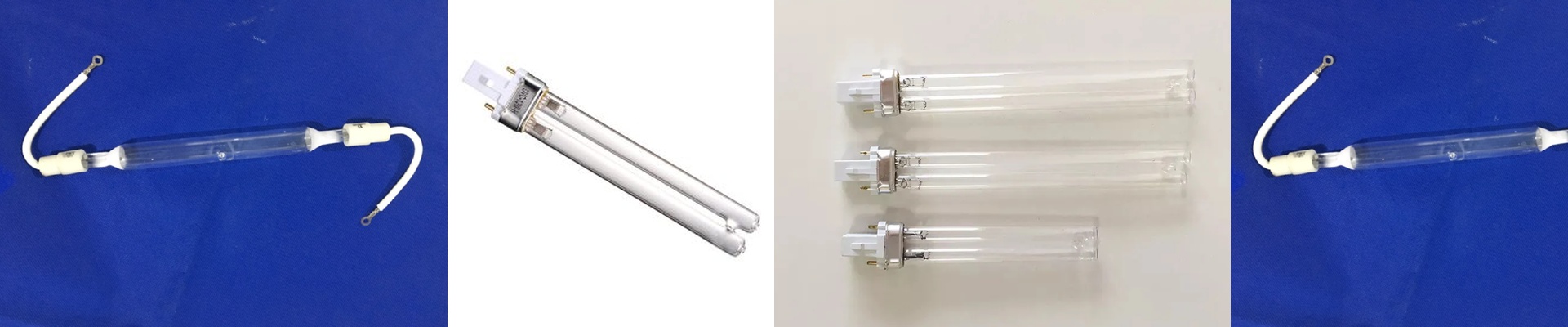
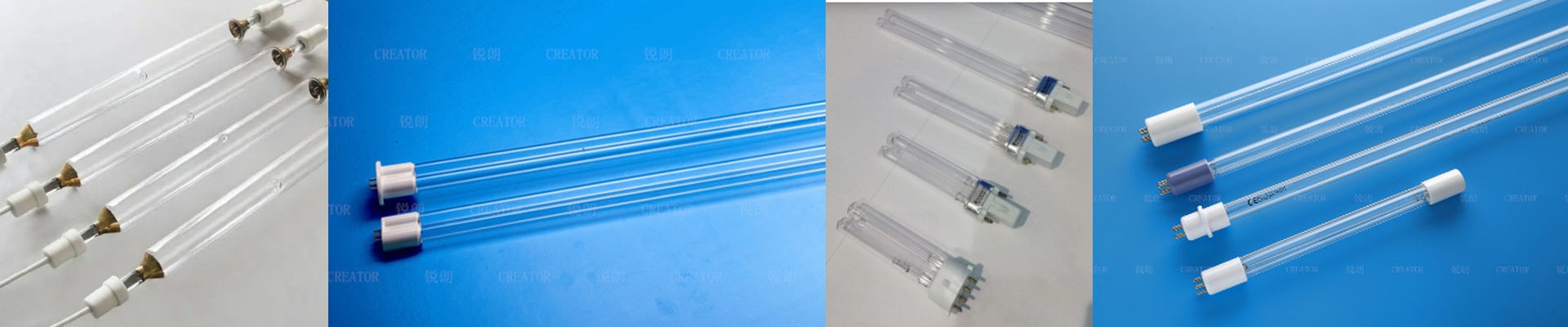
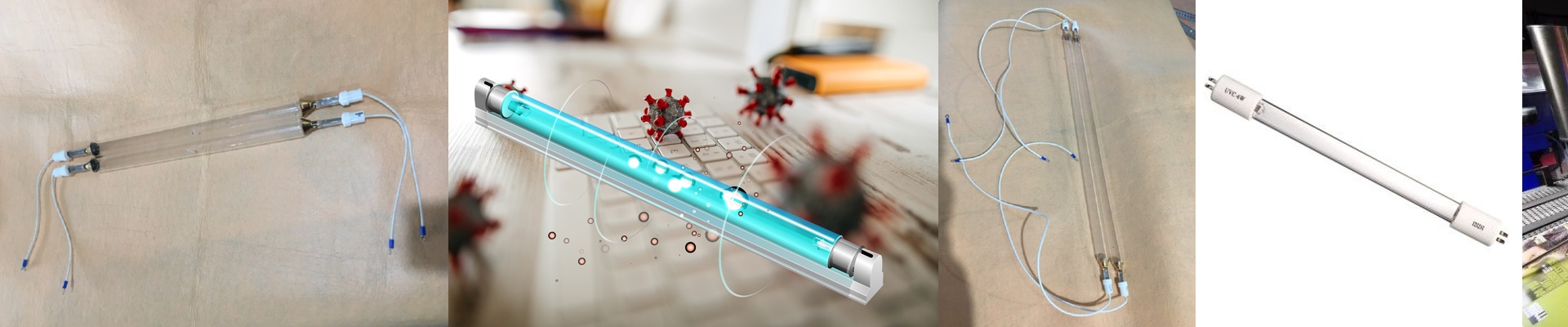
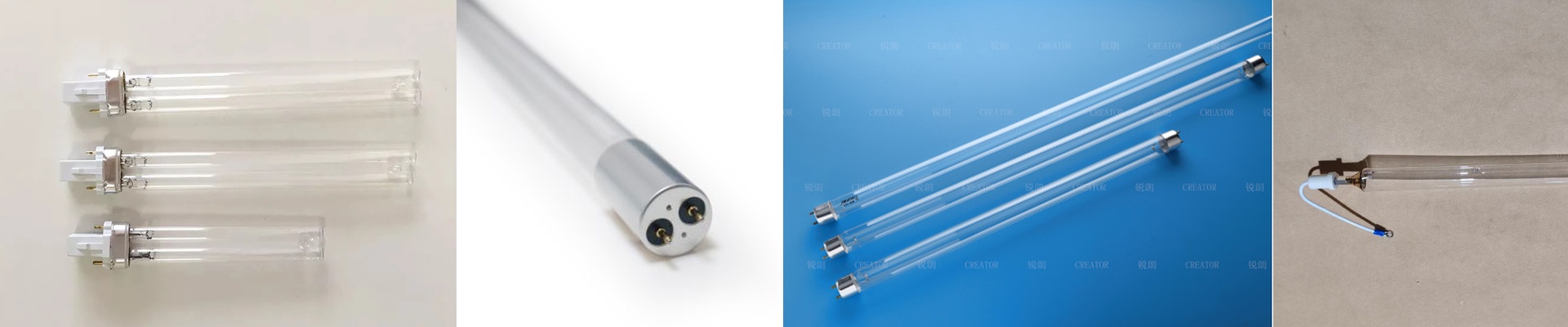
We use quartz glass because it lets the UVC and UVB light through without fighting it. If you’ve already got an oven or a curing tunnel, we can just build the lamps to the exact length you need. We also beef up the electrodes. Why? Because constant start-stop cycles kill cheap lamps. Ours are built to take the hit. Then there’s the cooling. You can go with air, but if you’re working with synthetic fabrics that melt or shrink under heat,go with water-cooled jackets. It’s the only way to make sure you don’t scorch your material.
The Trade-offs
Adding these lamps to an OEM machine is always a balancing act between power and heat. High-wattage lamps put off a ton of infrared radiation. If your cooling isn’t up to the task, two things happen: your lamps die faster, and your fabric starts to warp. It’s a headache. To keep things simple, we make drop-in replacements that match your current voltage and connectors. No rewiring, no long weekends of downtime. Just plug them in, make sure your ventilation can handle the ozone, and get back to work.