Stop Treating CE Certification Like a Sticker
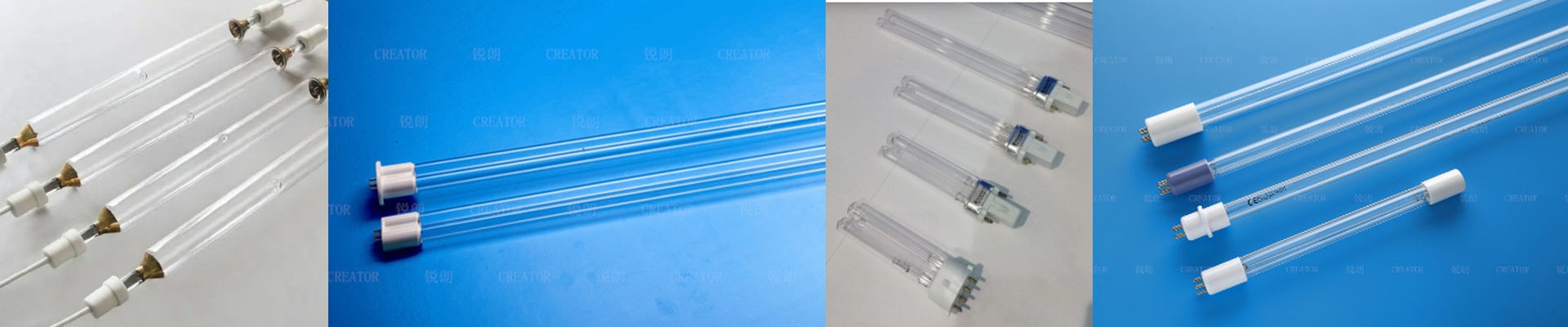
A lot of people look at CE certification as just another piece of paperwork. You know the type—something you just slap on a nameplate to check a box. But in the UV lamp world, it’s a lot more than that. It’s the difference between being a trusted partner and being a liability. Here is the real talk on the technical side. CE isn’t just one test. For our lamps, it’s a whole set of rules we have to live by. We spend a lot of time on the Low Voltage Directive (LVD) and Electromagnetic Compatibility (EMC). Why? Because UV systems are power-hungry. They pull a lot of current and create a ton of high-frequency noise. If your ballast or housing isn’t built to kill that interference, you might find your nearby sensors or PLC controllers just… crashing. Not a great look when a production line stops dead. We build our gear so the insulators can handle voltage spikes without arcing. It keeps things from catching fire. Simple as that. The risk factor Think about a high-end OEM in Germany or the US. They aren’t going to gamble their entire assembly line on a part that hasn’t been vetted. Imagine a non-certified lamp burns out and triggers a short that fries a $50k curing oven. That’s a nightmare. The person who installed it is the one holding the bag. By sticking to CE standards, we stop being the “cheap alternative” and start being the “approved vendor.” It’s our way of proving we’ve actually pushed the quartz envelopes and end-cap seals to their limits to see where they break. The trade-off Now, this isn’t free. Getting these certifications adds time and cost. It also means we can’t just swap out a capacitor for a generic one because it’s cheaper on a Tuesday. Every single part has to stay exactly as it is in the certified Bill of Materials. You’re paying a bit more for that consistency. But it’s a hell of a lot cheaper than having your shipment seized at customs or dealing with a catastrophic failure in the field.