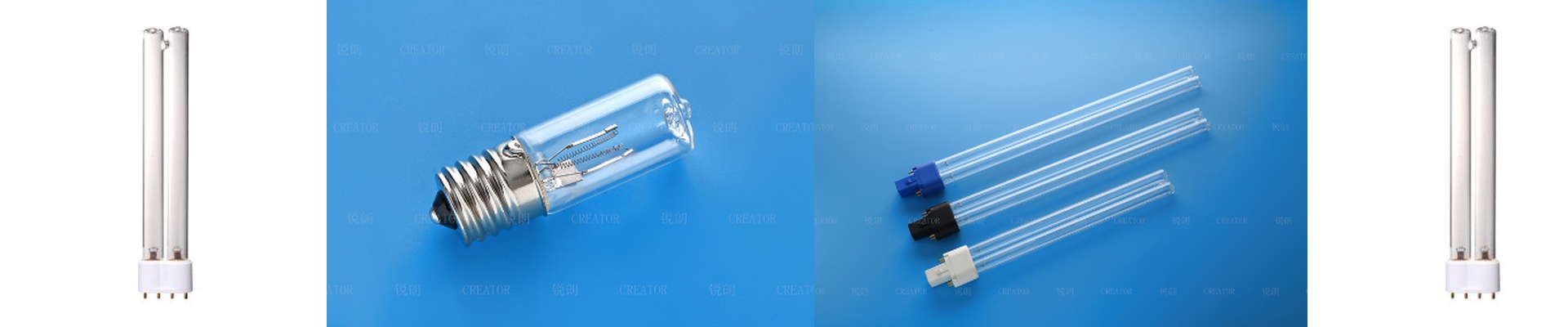
Stop Just “Swapping” Your UV Lamps
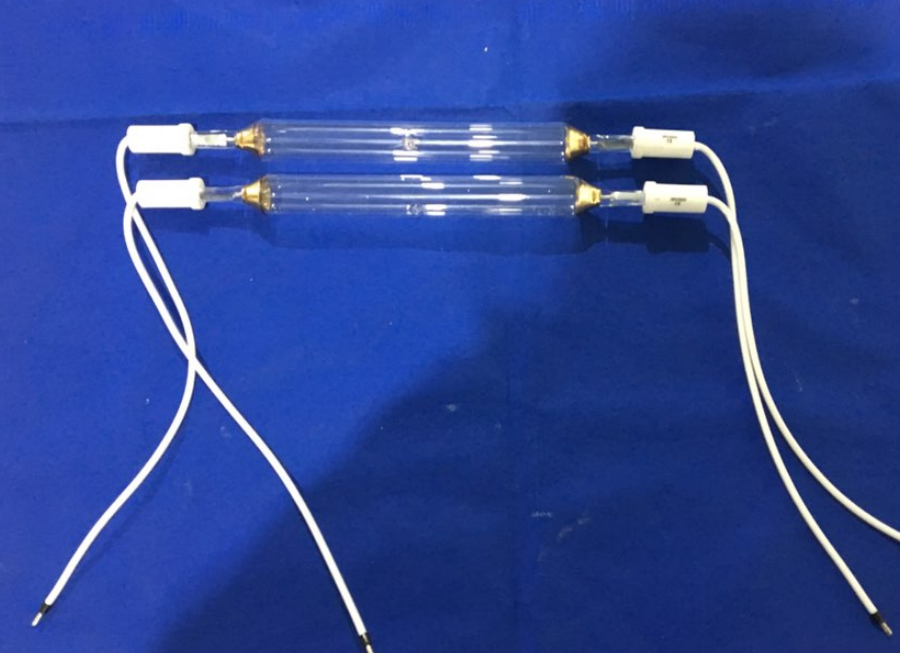
Here is the thing about UV lamps: most people treat them like lightbulbs in a hallway. You buy a part number, screw it in, and hope for the best. But in a printing line? That’s a risky move. If the specs are even slightly off, you’re looking at ink that stays tacky to the touch or, worse, substrates that actually start to burn. We don’t look at this as just selling a part. It’s more about making sure your whole process actually works. The balancing act of power Wattage and voltage determine how much energy actually hits your material. It’s a bit of a tug-of-war. Want to crank up the conveyor speed? You’ll need more power. But here’s the catch: more power means more heat. If you push the wattage too high without tweaking your cooling fans or timing, your material might start warping. Not a great look. Getting the light right Then there’s the wavelength. Whether you’re using short-wave or long-wave UV determines how deep that light actually sinks into the ink. We obsess over the physical shape of the tube for a reason. If the fit in the reflector housing is sloppy, you get “cold spots.” Those little gaps in coverage lead to uneven curing. Usually, the only way to fix that on the fly is to slow down the entire line, which kills your productivity. The reality of the shop floor We make our replacements “drop-in” solutions. No fussing around. The pins and connectors line up exactly with your ballast so you don’t have to worry about arcing or wiring nightmares. One last tip: stop trusting the timer. UV lamps are tricky. They still glow even when the gas inside is depleted and they’ve stopped doing their job. If you rely on a clock, you might be running a “dead” lamp that looks fine but isn’t actually curing your ink. Grab an irradiance meter. Measure the actual output. It’s the only way to know for sure when it’s time to swap.