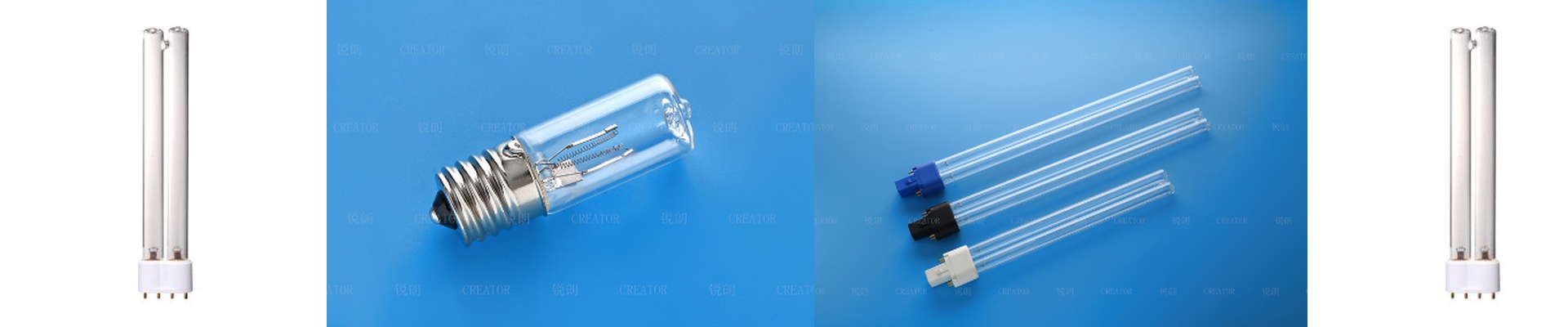
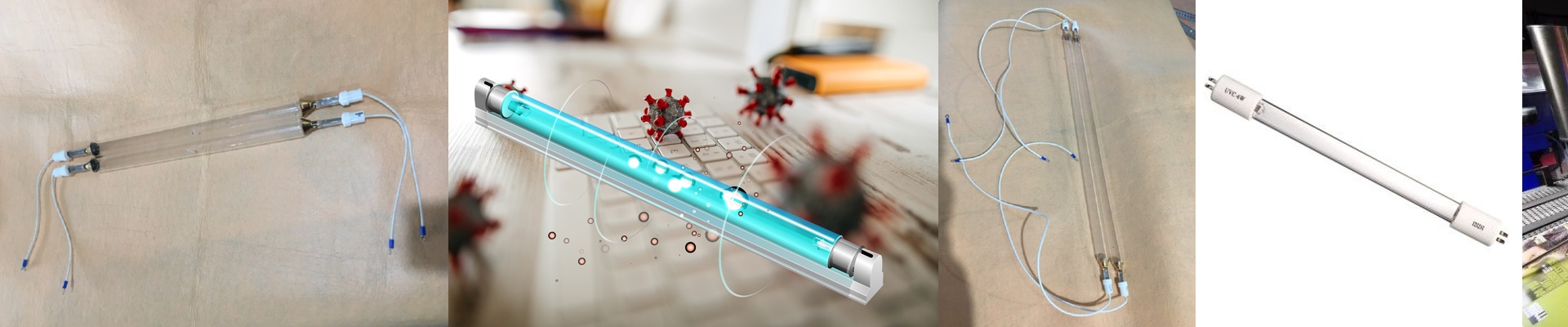
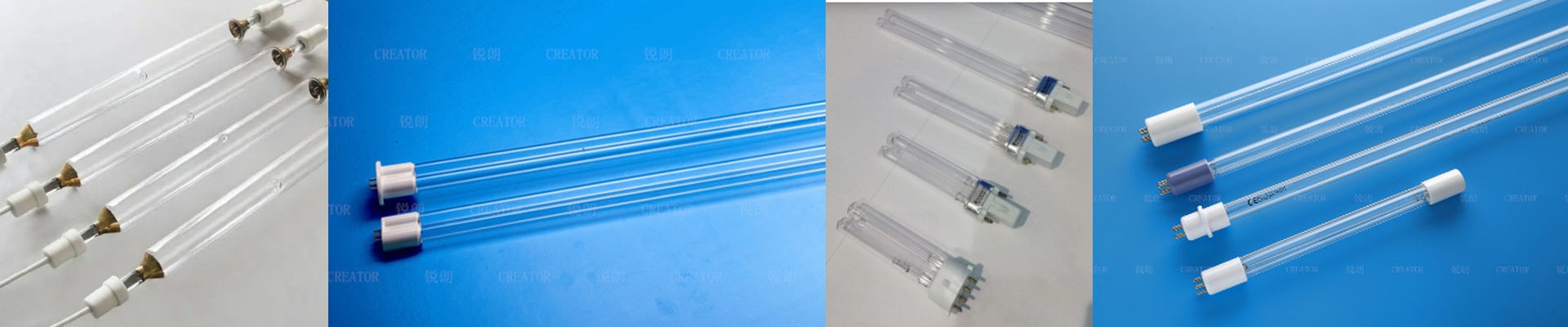
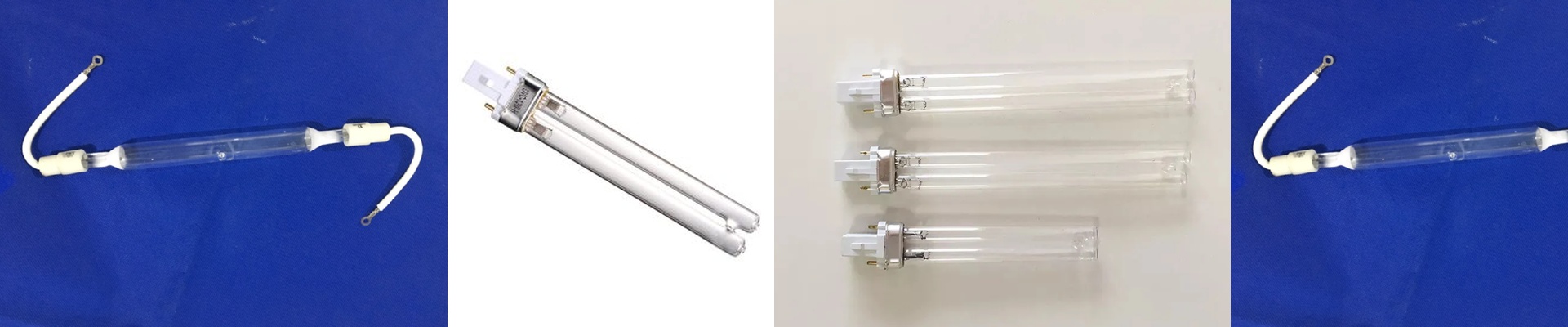
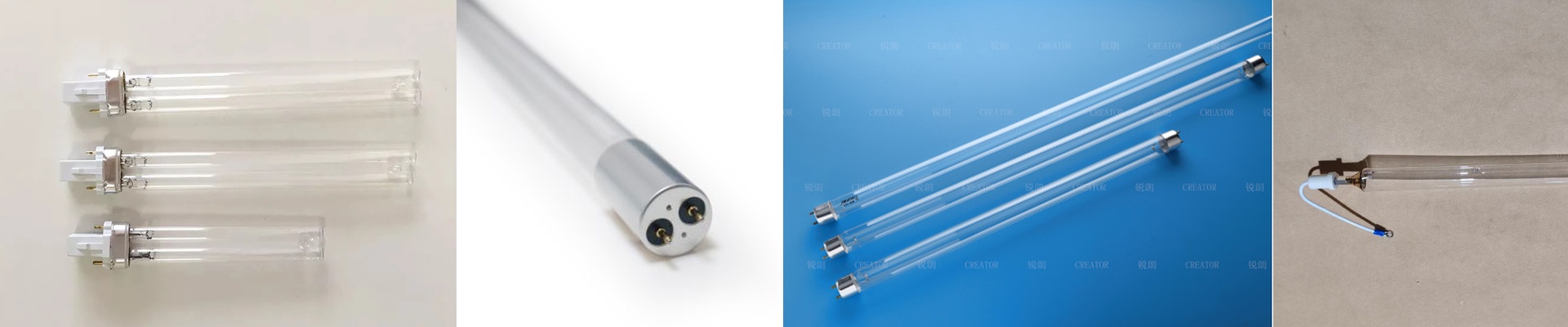
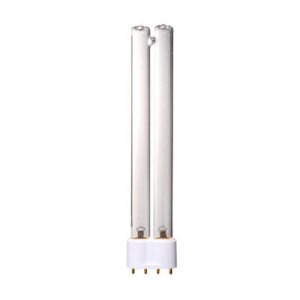
Look, UV germicidal lamps are incredibly powerful. They hit microbes with a specific wavelength (253.7 nm) that basically rips their DNA apart. It’s a great way to sterilize things, but there’s a catch. This energy is brutal on humans. If your shielding fails, you’re looking at immediate skin burns and permanent eye damage. Not something you want to mess around with. Keeping the UV where it belongs When we build these systems, our main goal is containment. The biggest risk is simply being in the line of sight. You’ll want to use aluminum or stainless steel reflectors in your housing to stop any UV from leaking out. If you’re putting these on an open conveyor or in a water plant, do yourself a favor and install UV-C sensors. They act as a kill-switch. The second a safety door swings open or someone walks into the area, the power cuts. Period. The heat and power struggle Now, these lamps do get hot. Not “infrared heater” hot, but enough to be a problem. Here’s the thing: your ballast has to be a perfect match for the lamp’s starting voltage and current. If you get this wrong, you’ll fry the electrodes way too soon. Also, keep an eye on those high-wattage arrays. They create heat pockets. If you don’t have enough airflow to keep the tubes cool, the glass overheats. That doesn’t just kill the lamp’s lifespan—it actually weakens the UV output. Maintenance (and the stuff you can’t see) Over time, quartz glass wears out. It’s called solarization. The glass gets cloudy, which blocks the UV rays. The scary part? The lamp might still be glowing a pretty blue, but it’s not actually sterilizing anything. You can’t trust your eyes here. Grab a calibrated radiometer and measure the actual output (mW/cm²). One last tip: always wear gloves when you’re swapping tubes. The oils from your skin create hotspots on the quartz, which leads to the tube failing early. And when a lamp finally dies, treat it as hazardous waste. There’s mercury vapor inside, so don’t just toss it in the bin.