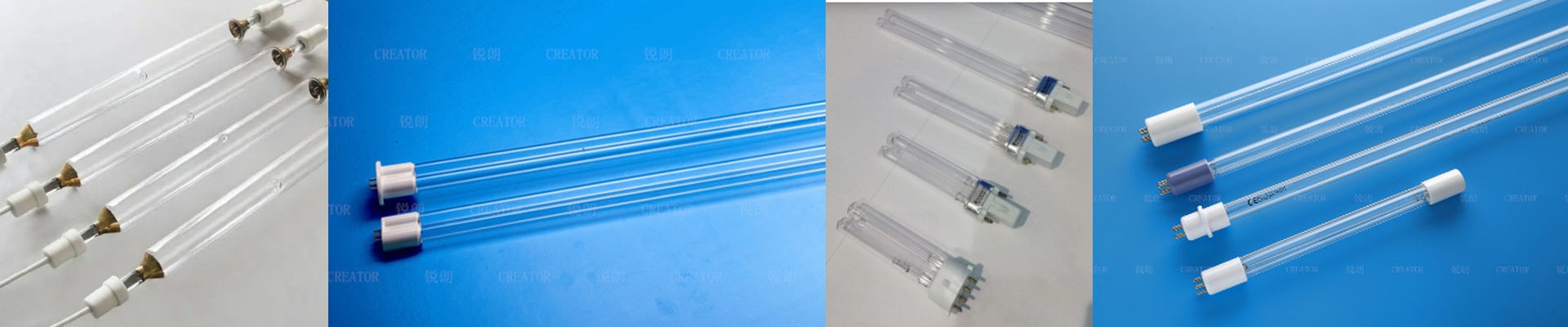
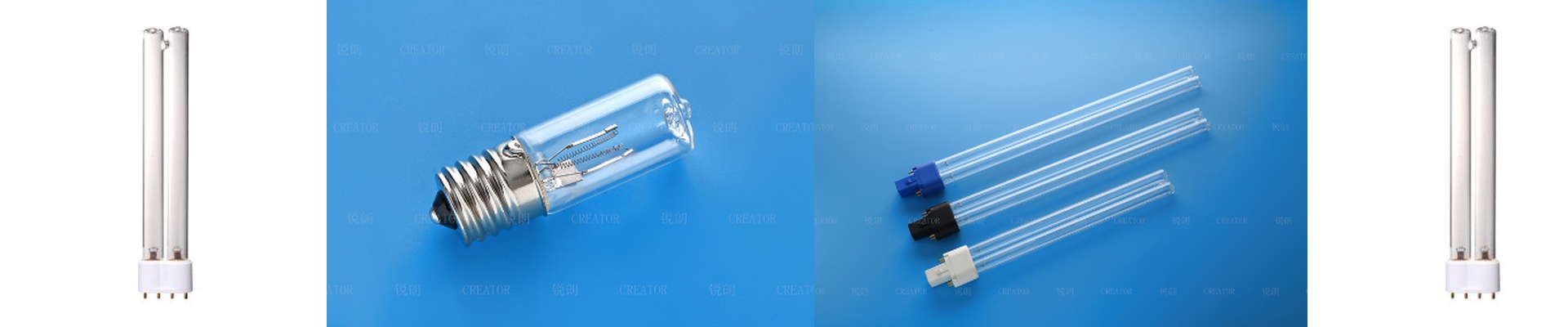
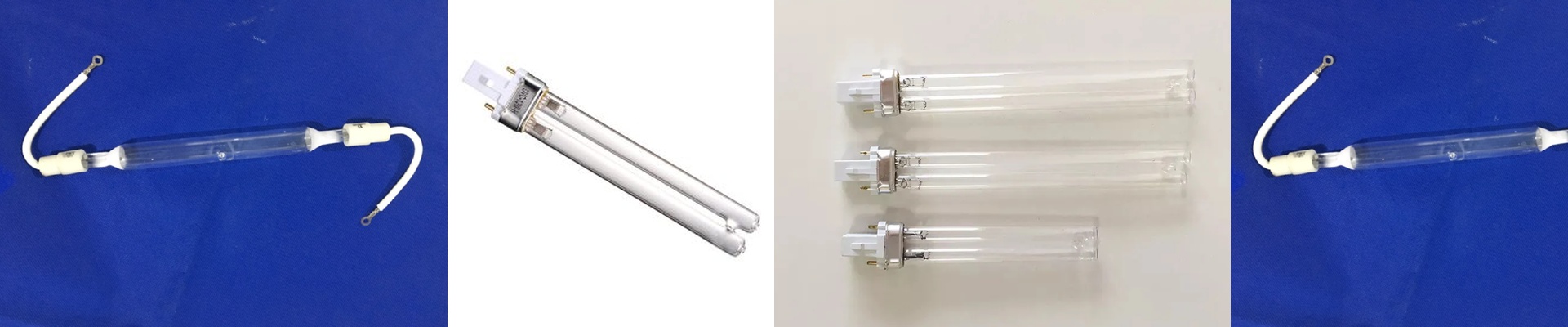
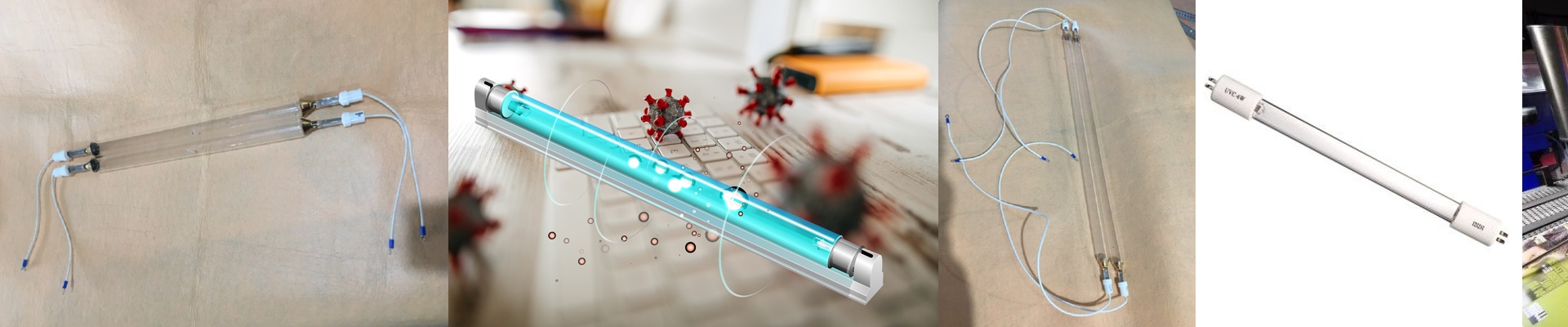
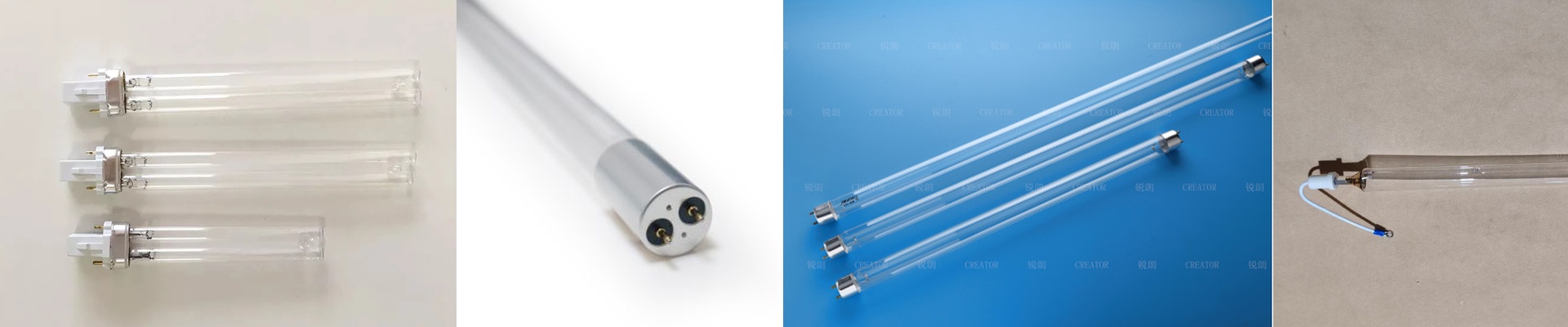

Getting Your Quartz UV Lamps Right
When you’re ordering quartz UV lamps in bulk, it’s easy to think of them as just “tubes.” But they aren’t. You’re actually buying a very specific wavelength of light that has to play nice with your photoinitiators. We use high-purity fused quartz for a simple reason: we want the UV light to get out, not stay trapped. If the quartz is cheap or impure, the tube just soaks up that radiation, turns it into heat, and burns out way too fast. No one wants to be replacing lamps every few weeks.
The Balancing Act: Power vs. Heat
Wattage and voltage are what drive your curing speed. Higher wattage means more photons hitting your product, which lets you crank up your line speed. But here’s the catch. More power means more heat. If your cooling system or air-blasts can’t keep up with that thermal load, you’re going to have problems. Your substrates might warp, or your electrodes could just give up. To stop that from happening, we tweak the gas fill and the electrode materials. It’s all about finding that sweet spot where you get the UV punch you need without melting everything in sight.
Why Synthetic Quartz Actually Matters
In a real factory, lamps aren’t just “on” all the time. They cycle. They heat up, they cool down, and they do it over and over. Standard glass would just crack under that kind of stress. That’s why we stick with synthetic quartz. It handles thermal shock like a pro. Plus, the tubes stay the exact same length and shape, so they slide right into your OEM housings without any fighting or forcing.
No Fluff, Just Results
At the end of the day, the only thing that matters is whether the resin actually cures. If the UV output isn’t hitting the right mW/cm², your coating stays tacky. That’s a nightmare for quality control. We don’t do “marketing speak” here. We use a radiometer to prove the output. We benchmark our tubes against the biggest global brands. If ours don’t perform just as well at the same price point, we’ll give you your money back. Simple as that. Just wire it up, run a test strip, and let the data tell you the truth.