Why we build our own UV and IR lamps from scratch
We handle everything. From the raw quartz to the final winding of the filament, it’s all done under one roof. Look, I’m not talking about some corporate “vertical integration” strategy. I’m talking about cutting out the middlemen. When you don’t have to buy pre-made parts from someone else, the cost drops, but the quality stays exactly where it needs to be.
The trade-off between cost and power
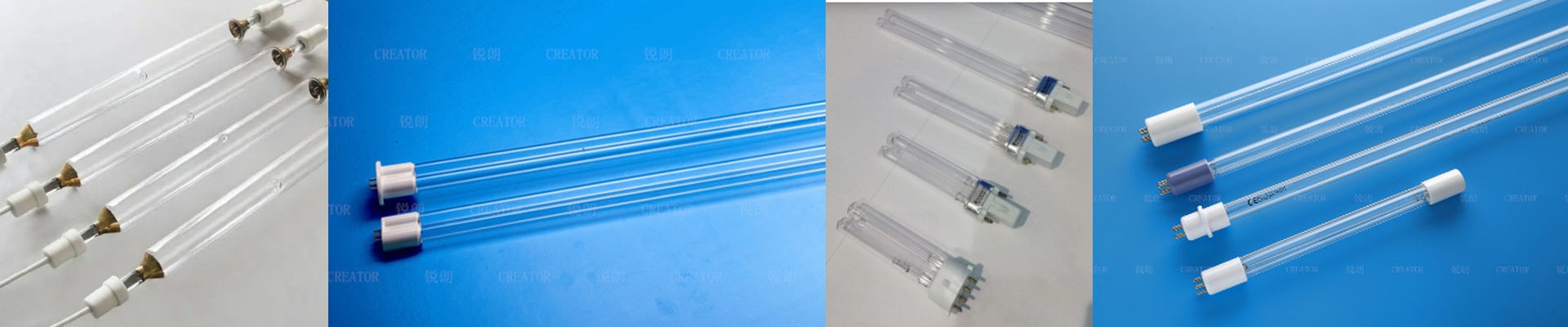
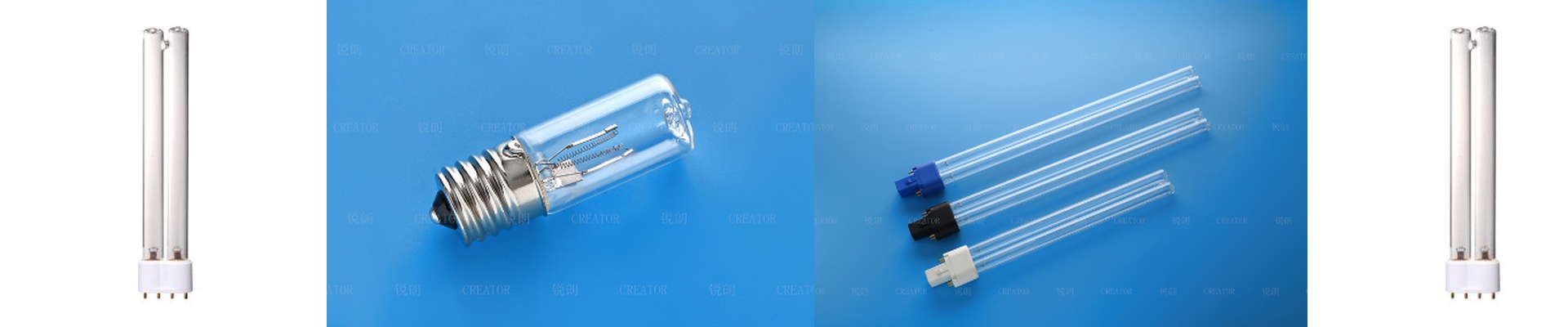
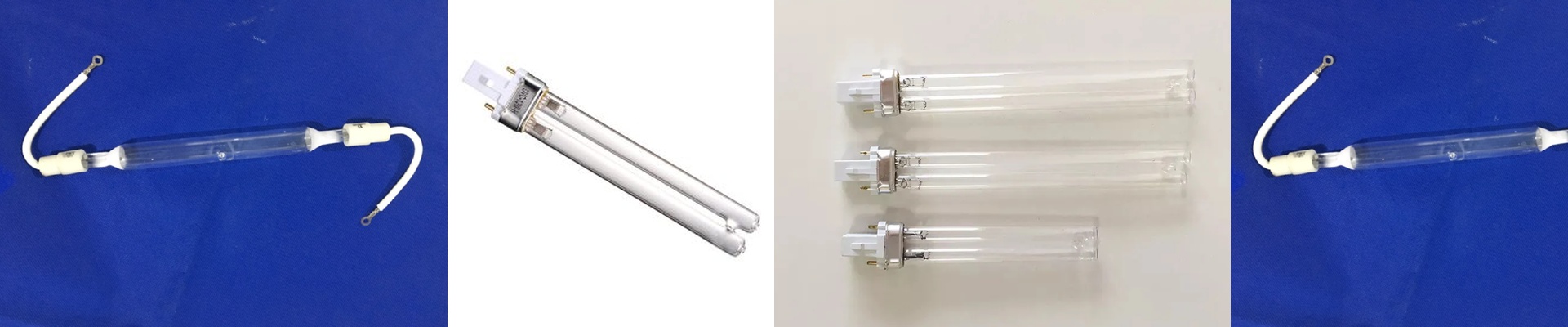
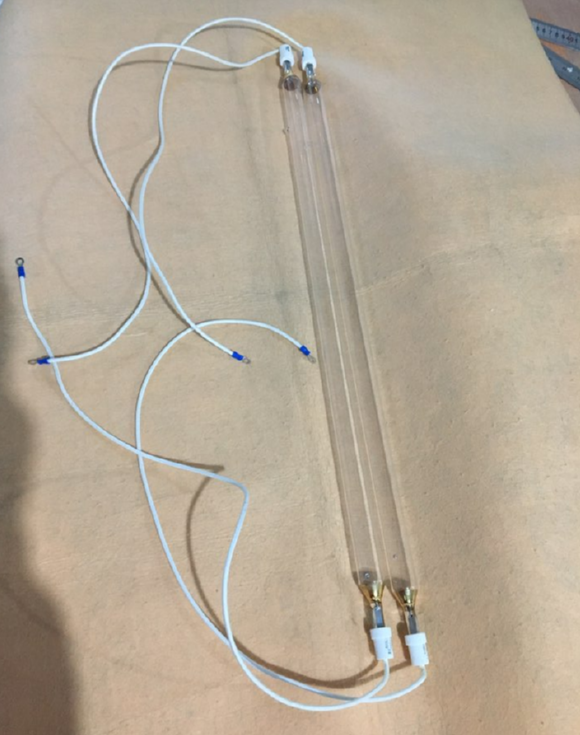
Most shops just buy tubes and swap out the filaments. Not us. We make the glass and the electrodes ourselves. Why does that matter? Because it lets us tweak the wall thickness of the quartz to fit your specific wattage. Here’s the rub: a thinner wall lets more UV light through, but it’s more likely to crack when things get hot. We solve that by using high-purity fused quartz. It’s tough. It can take a beating in those high-temp curing tunnels without giving up.
The nuts and bolts of getting it to work
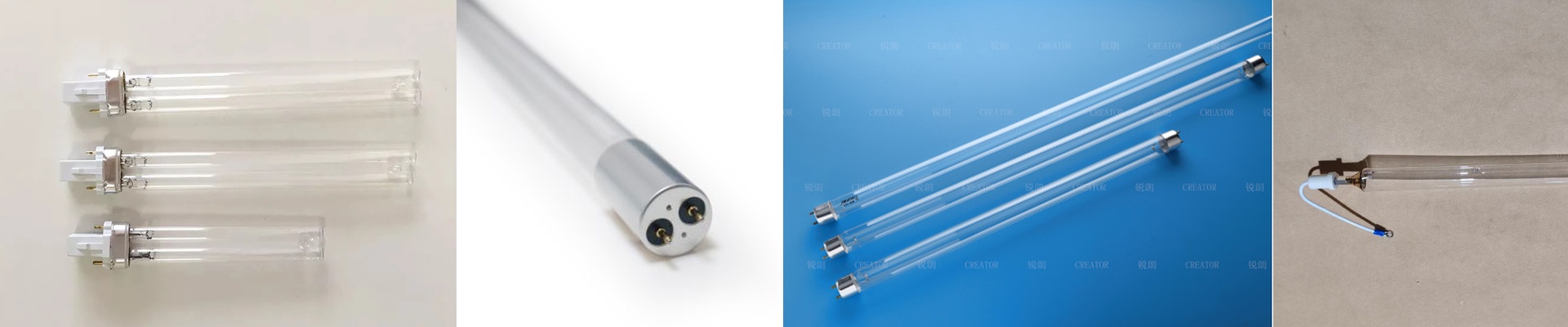
Whether you’re just replacing a bulb in a curing line or building a custom setup for PET blowing, the connector is usually where things go sideways. It’s the weakest link. To keep things simple, we use standard industrial bases. You can wire them up and get moving quickly. One heads-up, though: if you’re pushing a ton of wattage through a short tube, you’re dealing with some serious heat density. Make sure your housing has the right airflow. If it doesn’t, you’ll end up burning out your sockets way sooner than you should.
Keeping things consistent
Usually, when you buy wholesale, you’re gambling with quality control. We avoid that by owning the raw materials. Since we control the supply of rare gases and filaments, the price stays steady and the quality doesn’t dip. You get a lamp that hits the exact microwatts per square centimeter ($\mu\text{W}/\text{cm}^2$) you need—not just on the first one, but across a batch of 1,000. No more worrying about those weird variances you get with cheap imports. Your line speed stays steady. Your cure times don’t drift. It just works.