On a flexo label press, UV output that drifts turns crisp detail into mush. The lamp’s spectral output wanders, photoinitiators in thick films don’t get the kick they need, and you end up with halos, dot gain, and color that’s off-target. What you need is steady energy you can count on, not a daily game of guesswork.
What actually matters under the hood
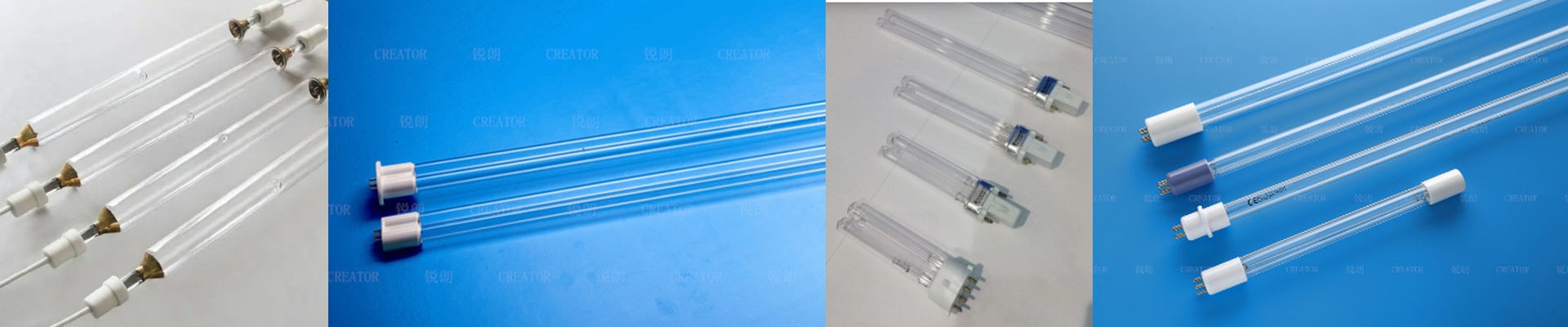
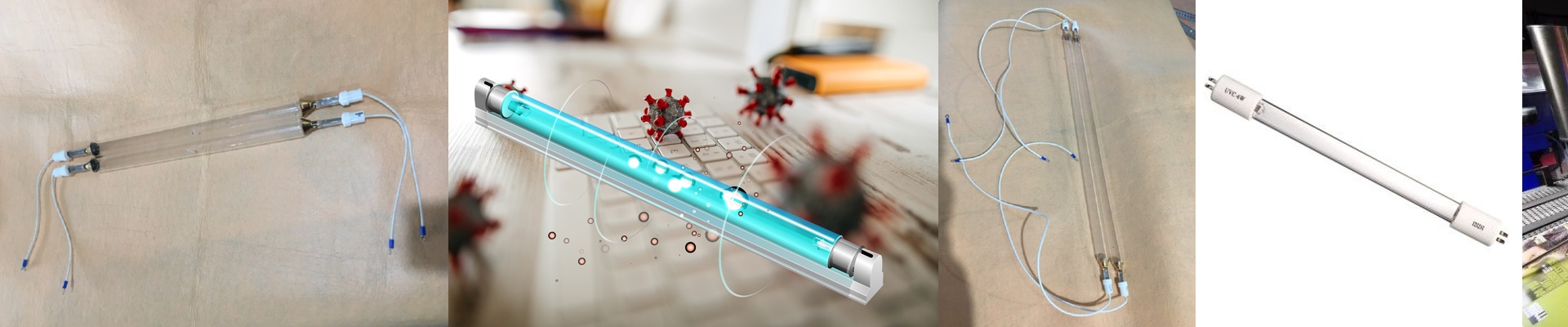
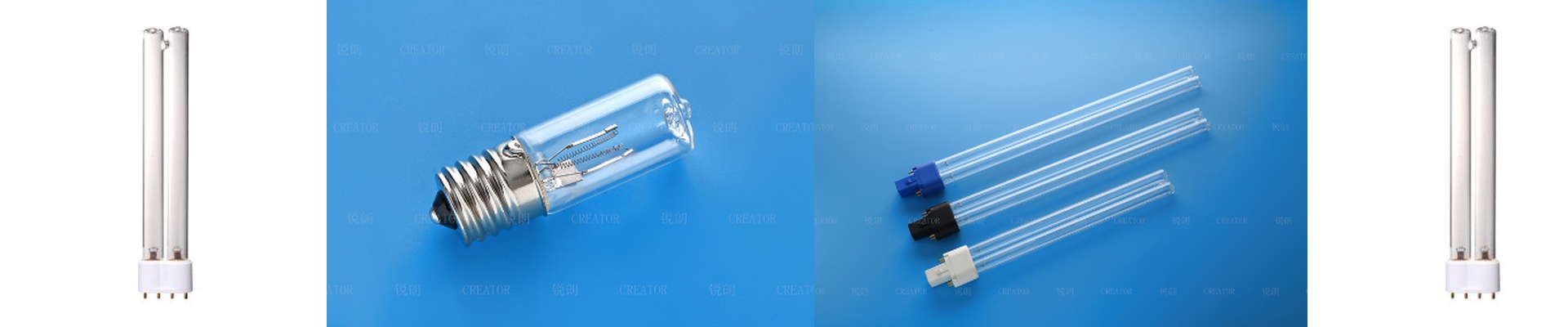
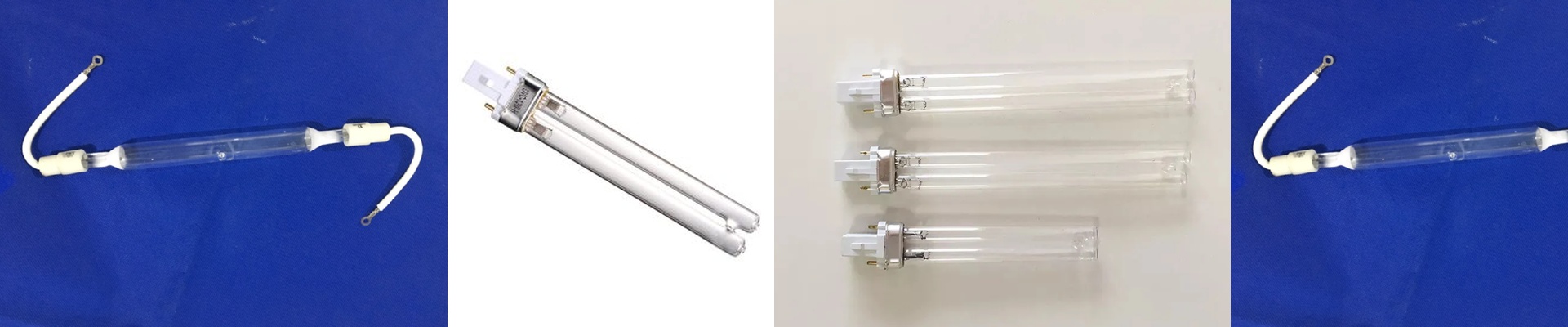
Gallium-doped UV emitters are built for thick film curing, locking in a stable spectral profile centered on 365–395 nm with tight band control. That wavelength window lines up with photoinitiator absorption in opaque and pigmented inks, so you get deep cross-linking without surface skinning. Peak irradiance holds steady across the arc length, and the reflector’s dichroic coating keeps spectral purity where it should be. Output stays stable over 3,000 hours, with less than 5% drop in UVA intensity, so your curing energy density is repeatable run after run.
Why this lands on a label press
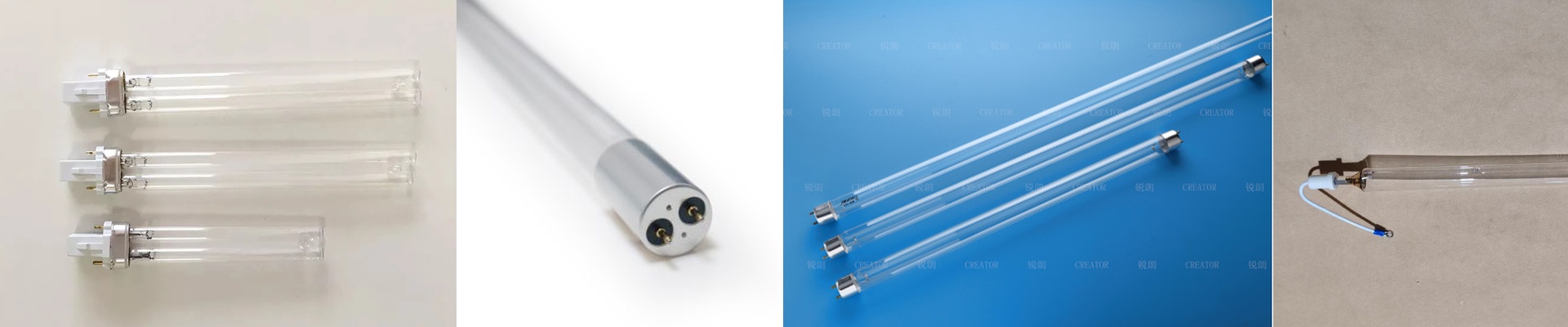
On label flexo, the Gallium UV emitter for thick film cleans up the blur and bloom that come from under-cured layers. The stable dose lets you hold tight tolerances on fine text, reverse text, and screen tints without dot spread. You can push throughput faster at press speeds up to 400 m/min, draw less energy compared to legacy mercury systems, and swap lamps less often. Registration stays tight, colors land on target, and rejects due to curing variability drop off.
The shop-floor details you can’t skip
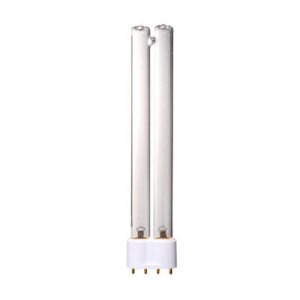
These emitters need a matched power supply and precise reflector alignment to hit the rated irradiance profile. They’re ozone-free, but thermal management is mandatory—keep cooling airflow and substrate temperature under control so thin films don’t warp. Double-check compatibility with your press model and lamp socket; mismatched connectors and reflector geometry will throw off spectral output and wreck cure uniformity.